
Opening branch overview
Building the branch home surface
Loading branch highlights, featured unit context, and gallery moments.
Overview
Members
Units
Building the branch home surface
Loading branch highlights, featured unit context, and gallery moments.
Building the branch units surface
Loading unit filters, rankings, and the branch unit grid.

3 members•1 unit
Relive and share the memories of your service-time with your brothers and sisters in arms today. VetFriends.com can help you reconnect.
Did you proudly serve in the Usacap Johnston Atoll?
Are you looking for someone who is or was in the Usacap Johnston Atoll?
Do you have Usacap Johnston Atoll photos you'd like to share?
Then join a community with your brothers and sisters of the Usacap Johnston Atoll.
Branch
U.S. Army
Members
3
USACAP Johnston Atoll, officially known as the United States Army Chemical Activity Pacific, was established in the 1970s on Johnston Atoll in the Pacific Ocean. The unit was primarily responsible for the safe storage, management, and eventual destruction of the U.S. chemical weapons stockpile located on the atoll. USACAP Johnston Atoll operated the Johnston Atoll Chemical Agent Disposal System (JACADS), the first full-scale chemical weapons destruction facility in the world, which began operations in 1990. The unit completed its mission with the destruction of the last chemical munitions in 2000, and the facility was closed and dismantled by 2003, marking the end of the Army’s permanent presence on Johnston Atoll.
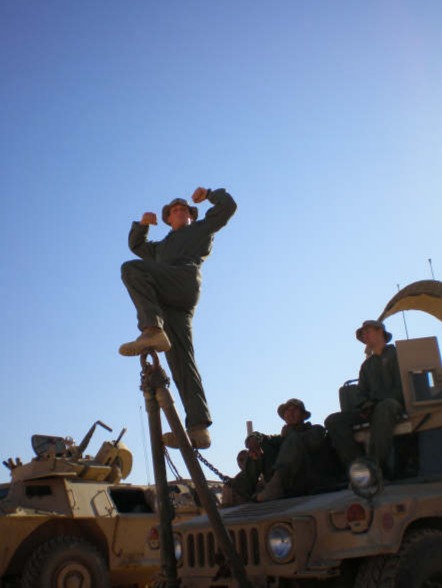
82nd ABN • U.S. Army • 2007
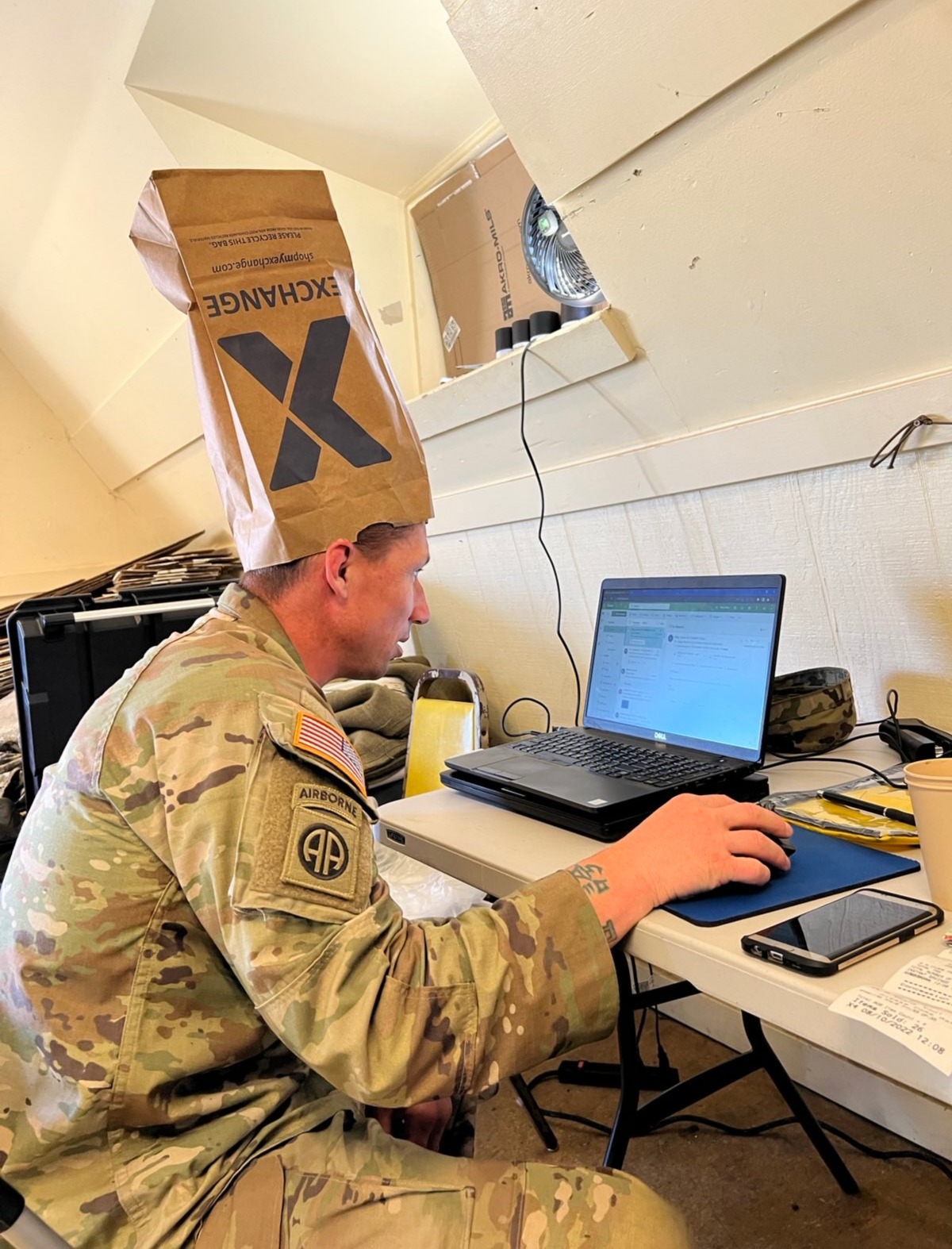
100th BN, 442 IN • U.S. Army • 2022
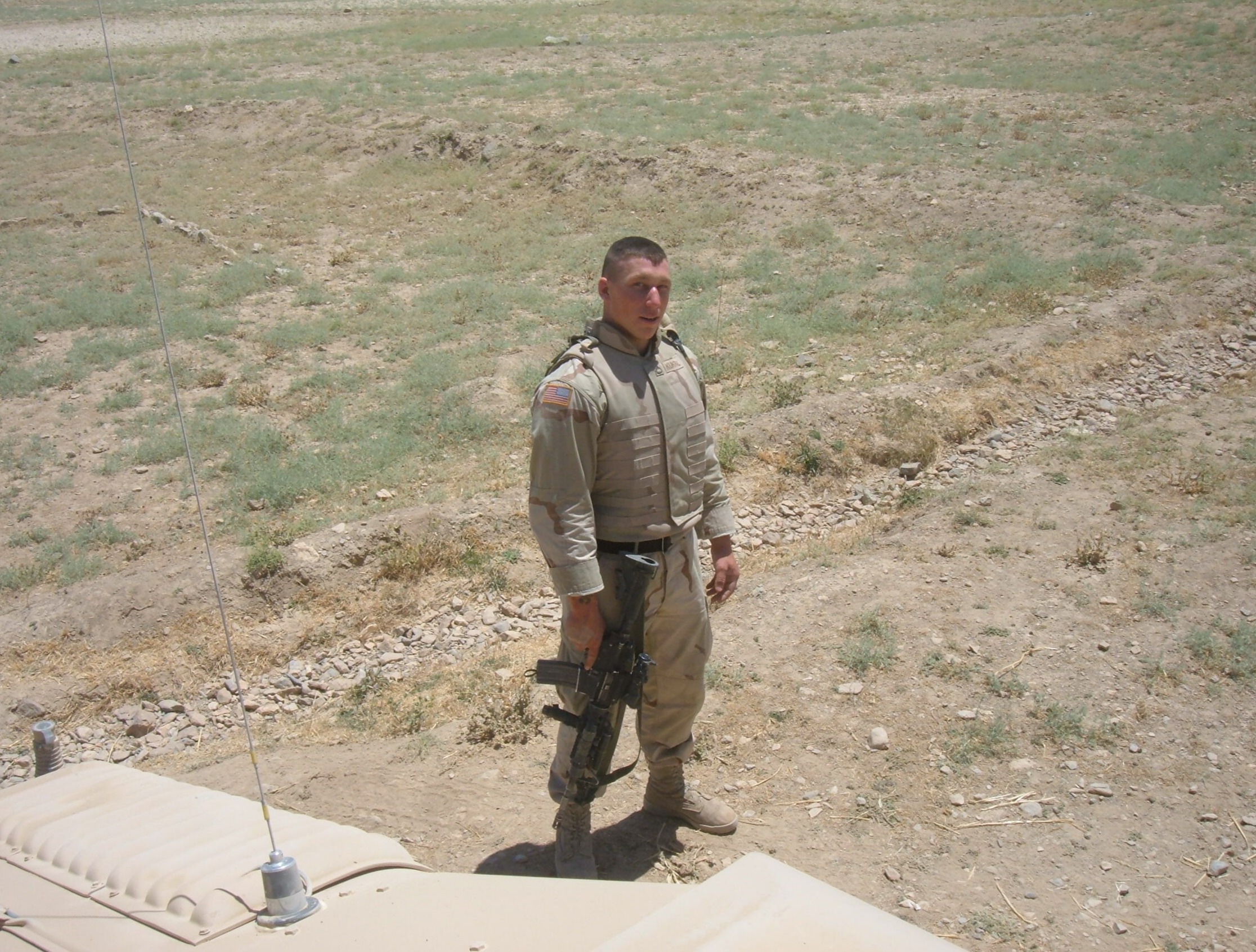
82nd ABN • U.S. Army • 2005
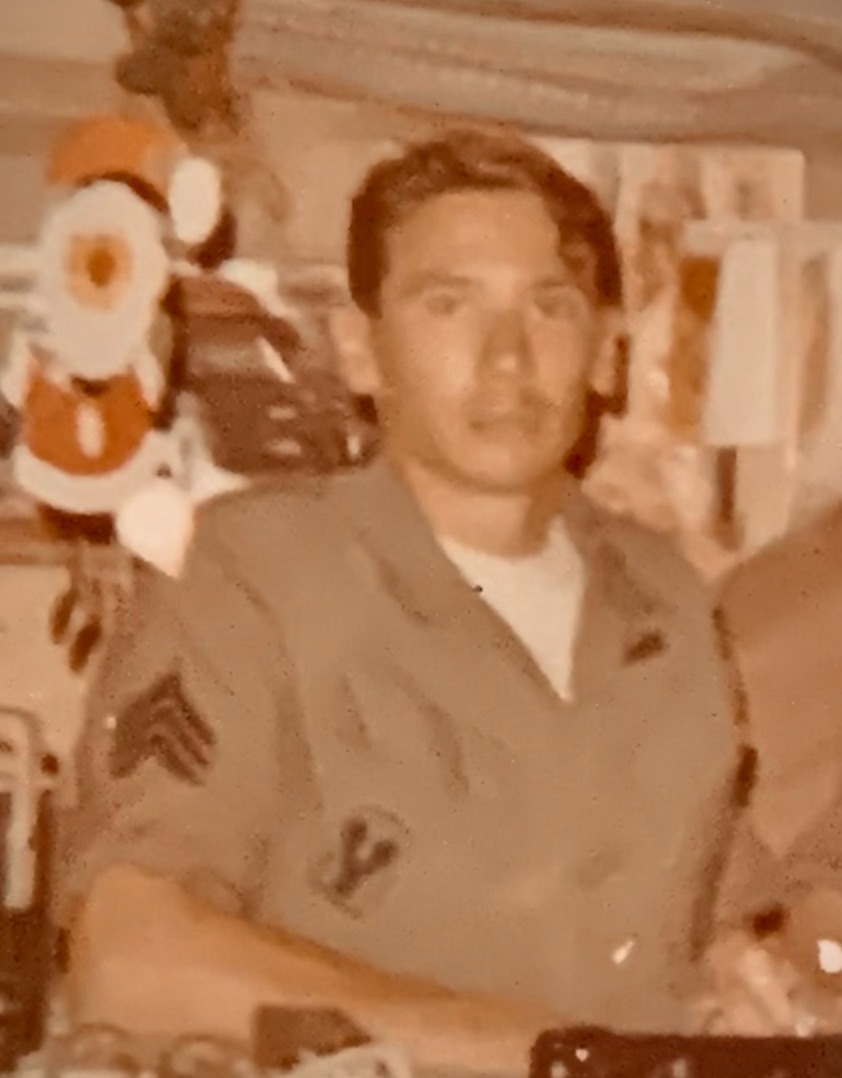
196th LIB • U.S. Army • 1969