
Opening branch overview
Building the branch home surface
Loading branch highlights, featured unit context, and gallery moments.
Overview
Members
Units
Building the branch home surface
Loading branch highlights, featured unit context, and gallery moments.
Building the branch units surface
Loading unit filters, rankings, and the branch unit grid.

4 members•1 unit
Relive and share the memories of your service-time with your brothers and sisters in arms today. VetFriends.com can help you reconnect.
Did you proudly serve in the USA SATCOM Agency?
Are you looking for someone who is or was in the USA SATCOM Agency?
Do you have USA SATCOM Agency photos you'd like to share?
Then join a community with your brothers and sisters of the USA SATCOM Agency.
Branch
U.S. Army
Members
4
The USA SATCOM Agency, formally known as the United States Army Satellite Communications Agency, was established in 1964 to manage and oversee the Army's burgeoning satellite communications programs. Its creation responded to the growing need for secure, reliable long-range communications during the Cold War, particularly for command and control of deployed forces. The Agency played a critical role in the development, acquisition, and operational integration of military satellite systems, supporting both tactical and strategic communications worldwide. Over time, its functions and responsibilities were absorbed into larger Army and joint communications organizations, reflecting the increasing complexity and integration of military communications technology.
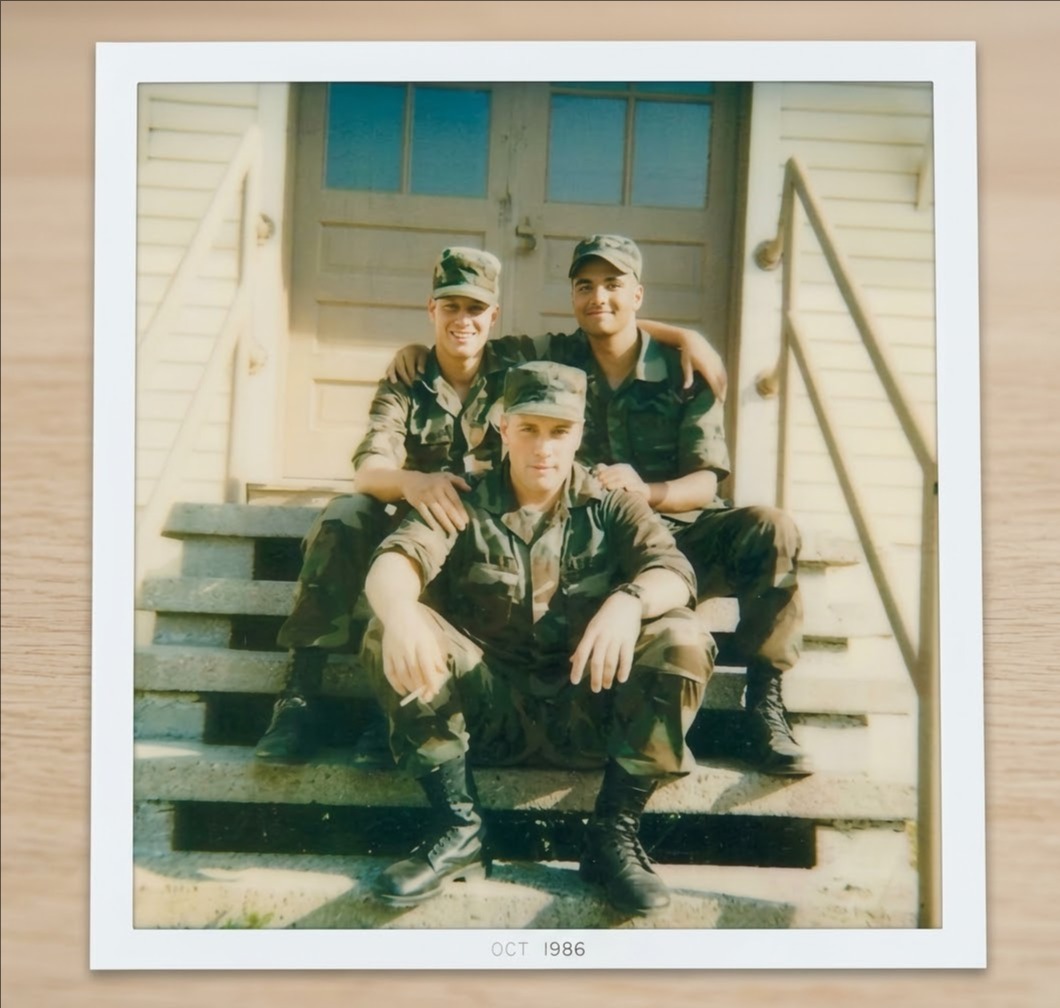
3rd Armored Division • U.S. Army • 1984

U.S. Army

USAE AFCENT • U.S. Army • 1971
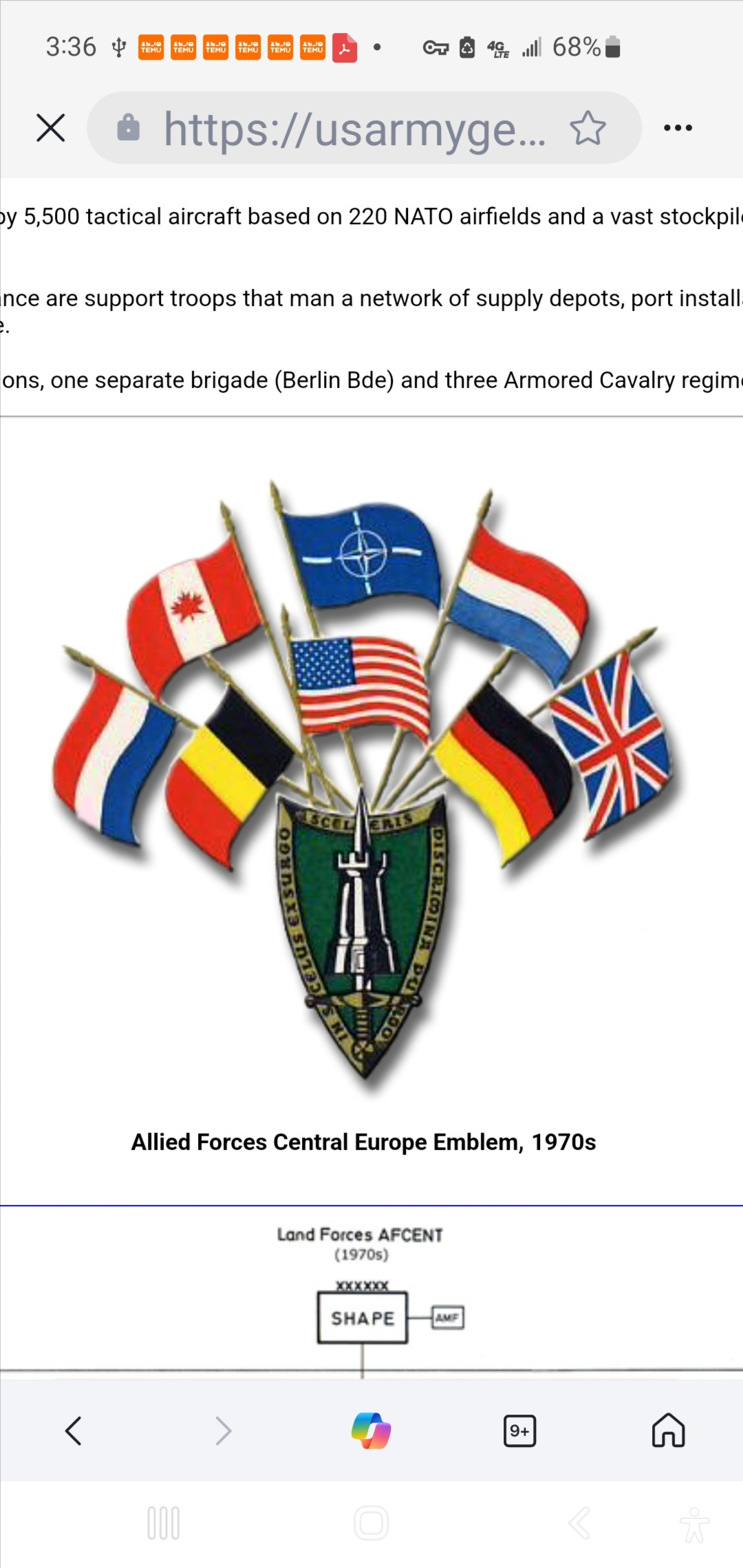
USAE AFCENT • U.S. Army • 1969