
Opening branch overview
Building the branch home surface
Loading branch highlights, featured unit context, and gallery moments.
Overview
Members
Units
Building the branch home surface
Loading branch highlights, featured unit context, and gallery moments.
Building the branch units surface
Loading unit filters, rankings, and the branch unit grid.

15 members•1 unit
Relive and share the memories of your service-time with your brothers and sisters in arms today. VetFriends.com can help you reconnect.
Did you proudly serve in the USA Intelligence School Ft Holabird, MD?
Are you looking for someone who is or was in the USA Intelligence School Ft Holabird, MD?
Do you have USA Intelligence School Ft Holabird, MD photos you'd like to share?
Then join a community with your brothers and sisters of the USA Intelligence School Ft Holabird, MD.
Branch
U.S. Army
Members
15
The USA Intelligence School at Fort Holabird, Maryland, was established during World War II and became the primary training center for U.S. Army intelligence personnel. From the 1940s through the 1970s, it offered specialized courses in counterintelligence, interrogation, and analysis, preparing soldiers for assignments worldwide during the Cold War. Fort Holabird developed innovative curricula and served as the headquarters for the Army Intelligence Corps. The school remained active until 1972, when its functions were transferred to Fort Huachuca, Arizona, marking the end of an era in Army intelligence training at Holabird.
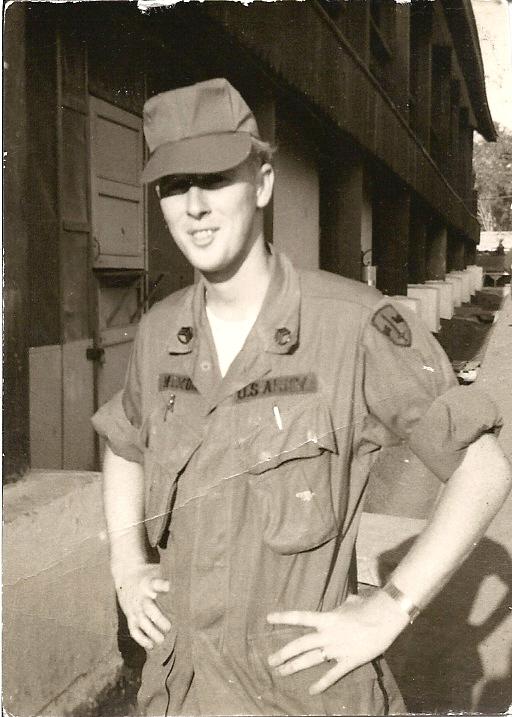
U.S. Army