
Opening branch overview
Building the branch home surface
Loading branch highlights, featured unit context, and gallery moments.
Overview
Members
Units
Building the branch home surface
Loading branch highlights, featured unit context, and gallery moments.
Building the branch units surface
Loading unit filters, rankings, and the branch unit grid.

1 members•1 unit
Relive and share the memories of your service-time with your brothers and sisters in arms today. VetFriends.com can help you reconnect.
Did you proudly serve in the USA Arctic Test Board?
Are you looking for someone who is or was in the USA Arctic Test Board?
Do you have USA Arctic Test Board photos you'd like to share?
Then join a community with your brothers and sisters of the USA Arctic Test Board.
Branch
U.S. Army
Members
1
The USA Arctic Test Board was established in the late 1940s by the United States Army to evaluate military equipment, clothing, and operational tactics in extreme cold weather environments. Based primarily in Alaska, the unit conducted rigorous field trials to ensure that soldiers and materiel could withstand arctic conditions, thereby enhancing the Army’s readiness for potential conflicts in polar regions during the early Cold War. The Board played a crucial role in developing cold-weather gear and mobility solutions, such as improved snow vehicles and insulated uniforms. Its work contributed significantly to the U.S. military’s understanding of arctic warfare and influenced doctrine and equipment for decades to follow.
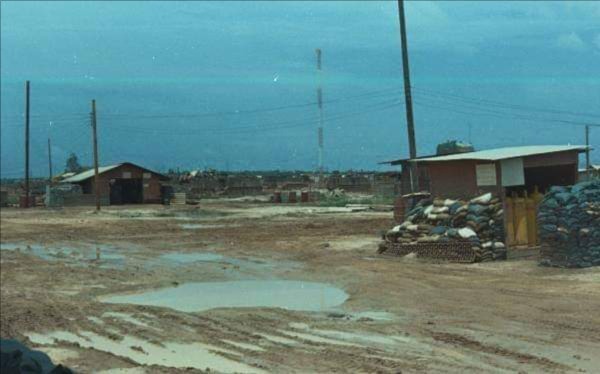
548th lmc • U.S. Army • 1970
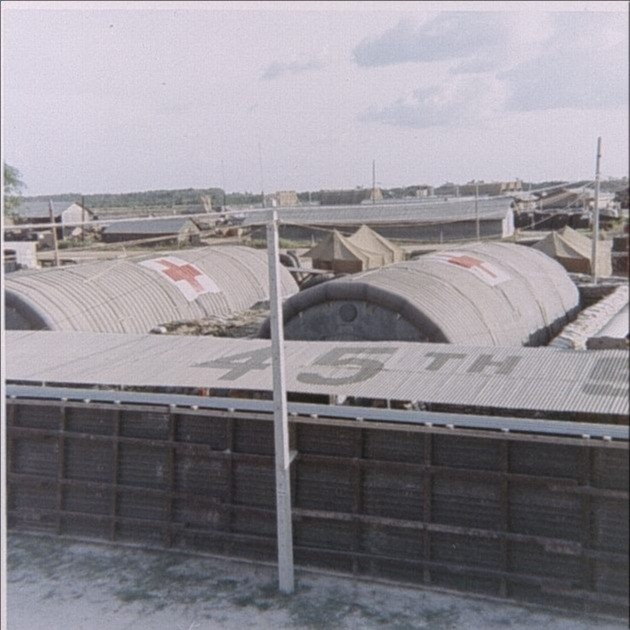
548th lmc • U.S. Army • 1970
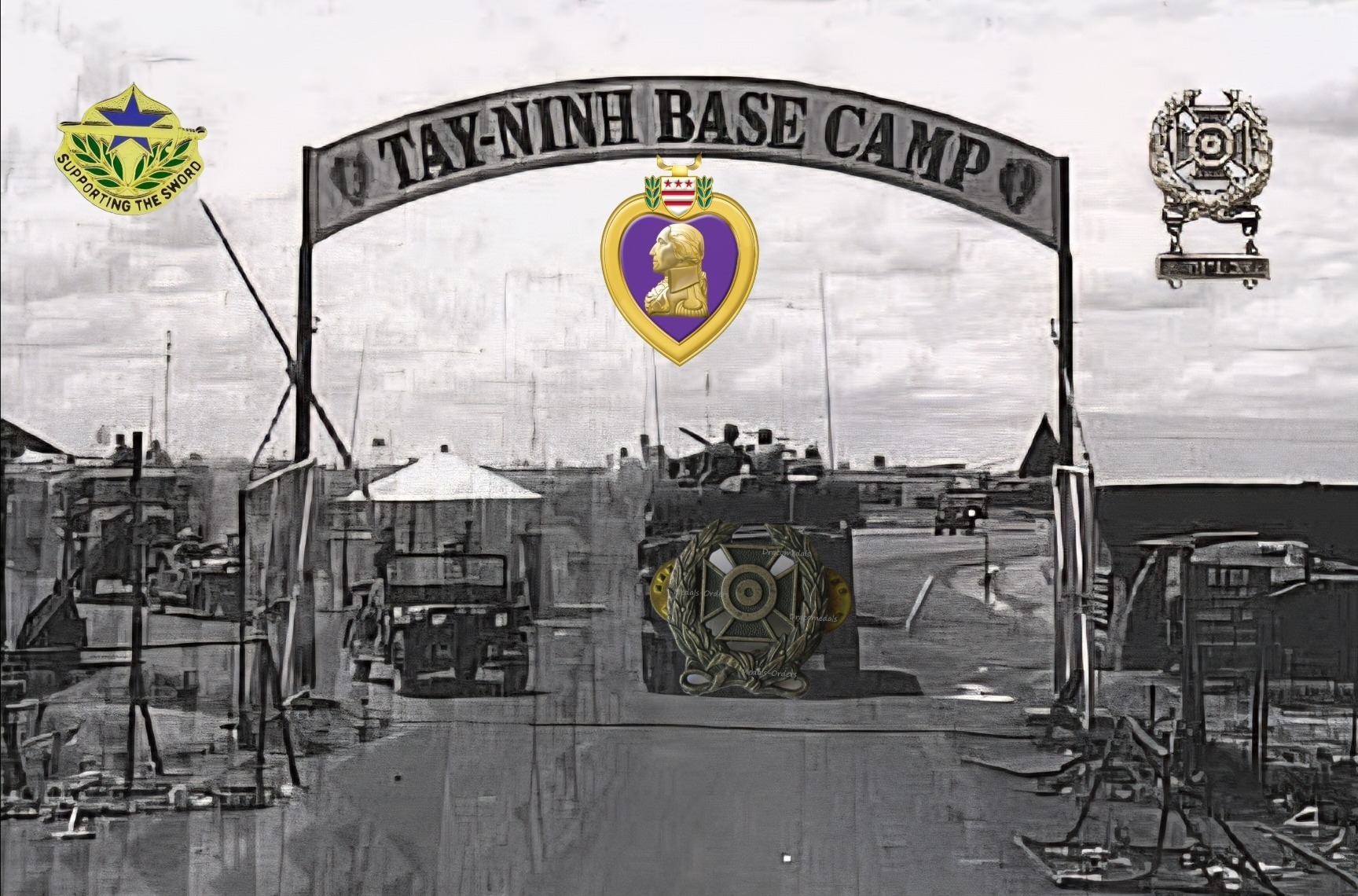
548th lmc • U.S. Army • 1970
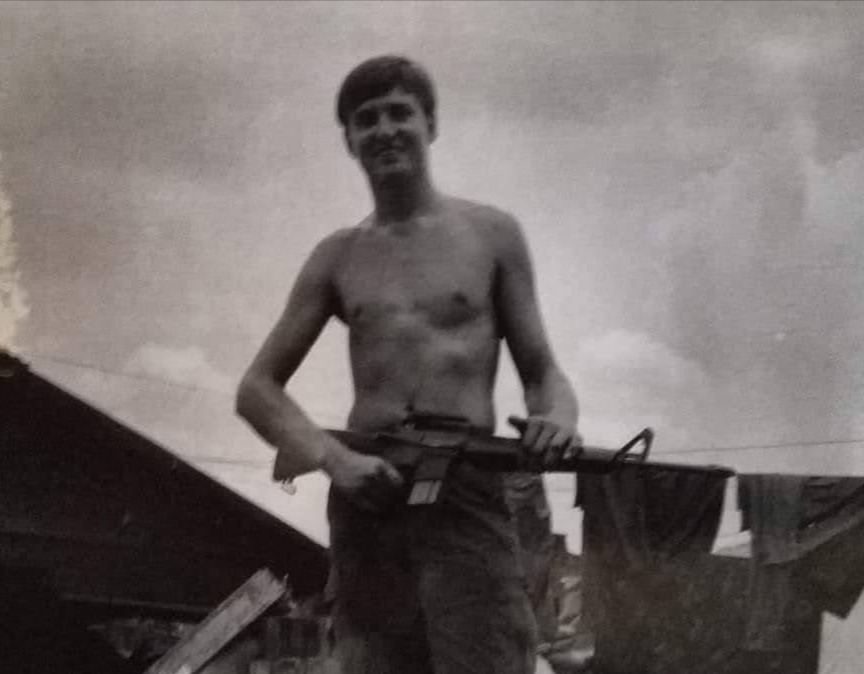
548th lmc • U.S. Army • 1970