
Opening branch overview
Building the branch home surface
Loading branch highlights, featured unit context, and gallery moments.
Overview
Members
Units
Building the branch home surface
Loading branch highlights, featured unit context, and gallery moments.
Building the branch units surface
Loading unit filters, rankings, and the branch unit grid.

37 members•1 unit
Relive and share the memories of your service-time with your brothers and sisters in arms today. VetFriends.com can help you reconnect.
Did you proudly serve in the US Signal School, Ft. Monmouth, NJ?
Are you looking for someone who is or was in the US Signal School, Ft. Monmouth, NJ?
Do you have US Signal School, Ft. Monmouth, NJ photos you'd like to share?
Then join a community with your brothers and sisters of the US Signal School, Ft. Monmouth, NJ.
Branch
U.S. Army
Members
37
The US Army Signal School at Fort Monmouth, New Jersey, was established in 1919, quickly becoming the principal training and development center for Army communications and signal operations. Throughout World War II, the school expanded significantly, training tens of thousands of soldiers in radio, radar, and wire communications, which were critical to Allied success. During the Cold War, the Signal School continued to innovate, playing a key role in the development of advanced communications technologies. The school remained at Fort Monmouth until 2011, when it relocated to Fort Gordon, Georgia, as part of the Army’s Base Realignment and Closure (BRAC) initiative.
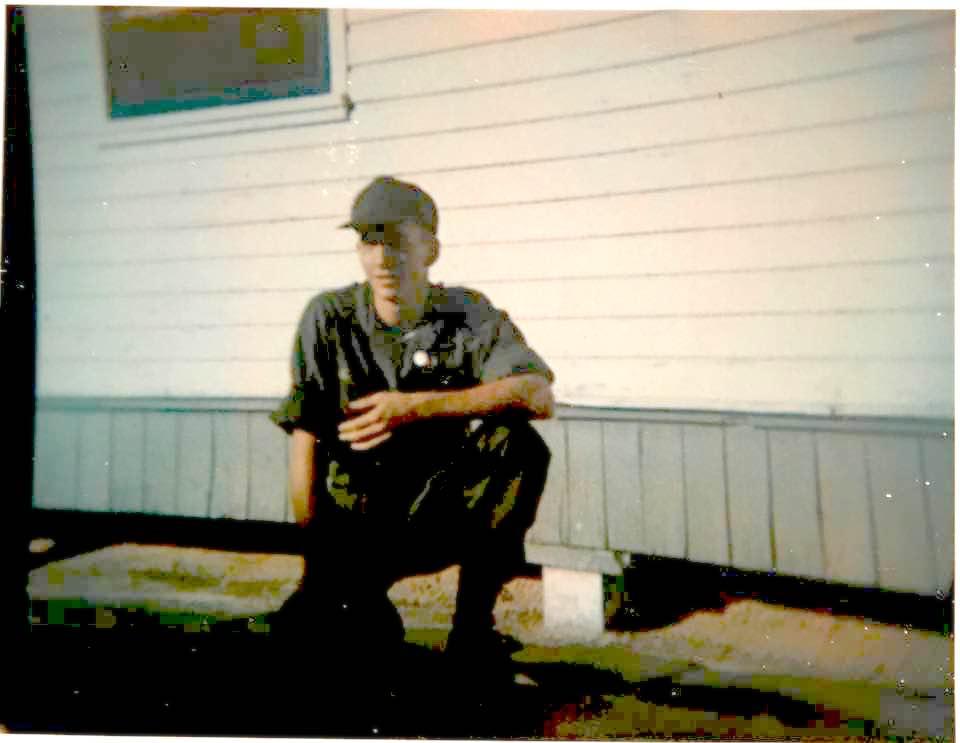
U.S. Army • 1974
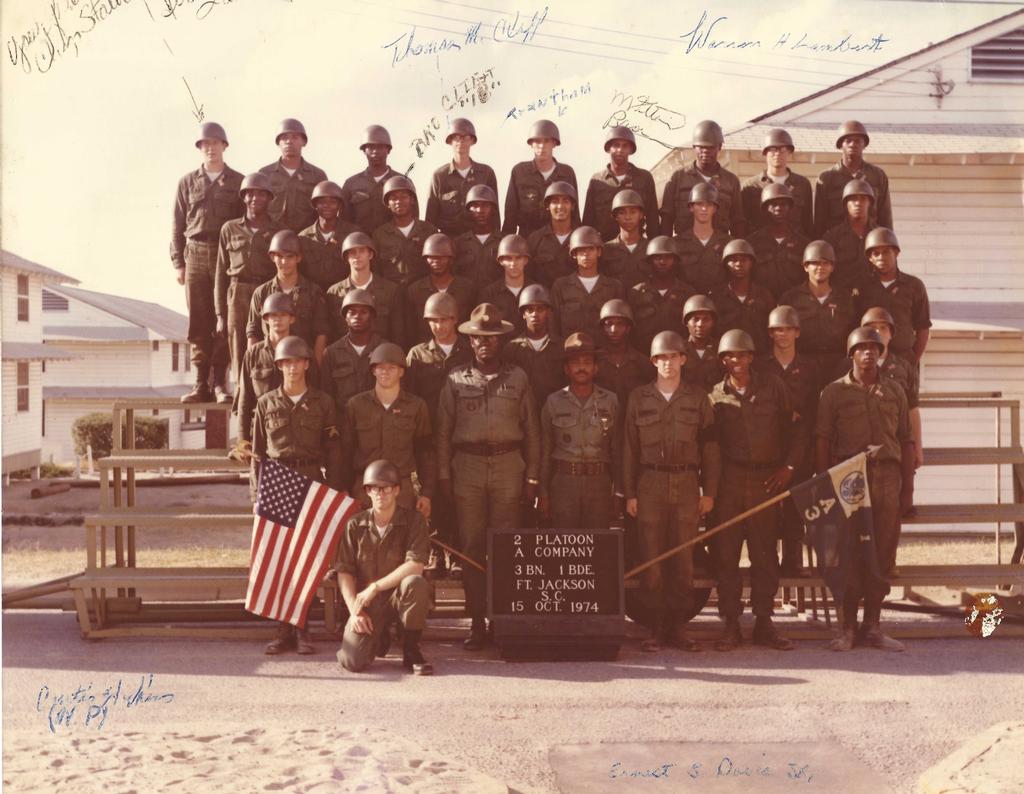
U.S. Army • 1974
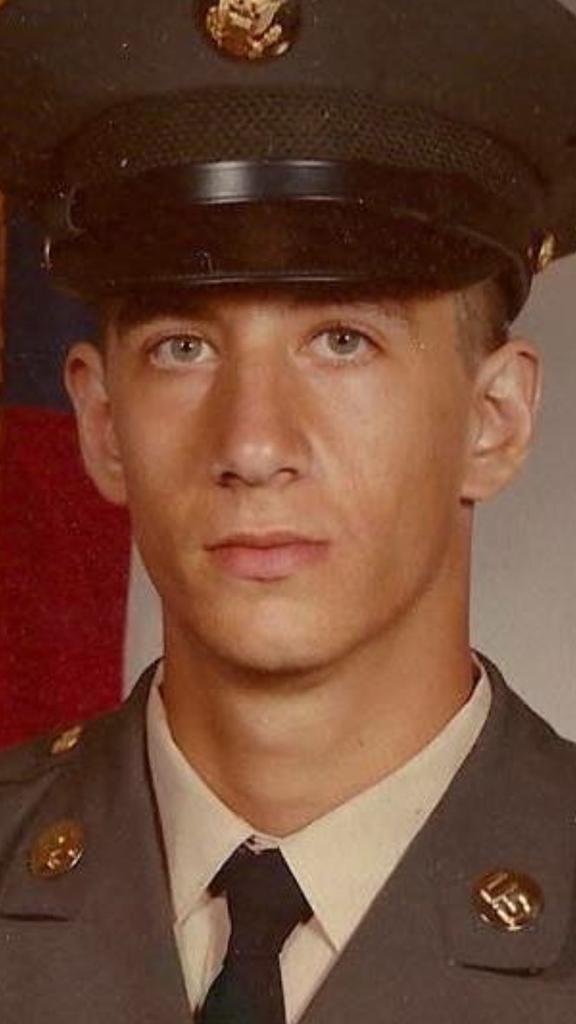
U.S. Army • 1974