
Opening branch overview
Building the branch home surface
Loading branch highlights, featured unit context, and gallery moments.
Overview
Members
Units
Building the branch home surface
Loading branch highlights, featured unit context, and gallery moments.
Building the branch units surface
Loading unit filters, rankings, and the branch unit grid.

12 members•1 unit
Relive and share the memories of your service-time with your brothers and sisters in arms today. VetFriends.com can help you reconnect.
Did you proudly serve in the US army supply and Transportation?
Are you looking for someone who is or was in the US army supply and Transportation?
Do you have US army supply and Transportation photos you'd like to share?
Then join a community with your brothers and sisters of the US army supply and Transportation.
Branch
U.S. Army
Members
12
The U.S. Army Supply and Transportation units have their roots in the early days of the American military, with formal organization dating back to the establishment of the Quartermaster Corps in 1775. These units played a critical role in sustaining troops through logistics, distribution of food, ammunition, and fuel, as well as transportation of personnel and materiel across various theaters of operation. During World War II, their responsibilities expanded significantly, supporting massive global deployments and ensuring the success of Allied campaigns through efficient supply chains. In modern times, Army Supply and Transportation units continue to be vital, employing advanced technology and logistical strategies to maintain operational readiness in diverse environments worldwide.
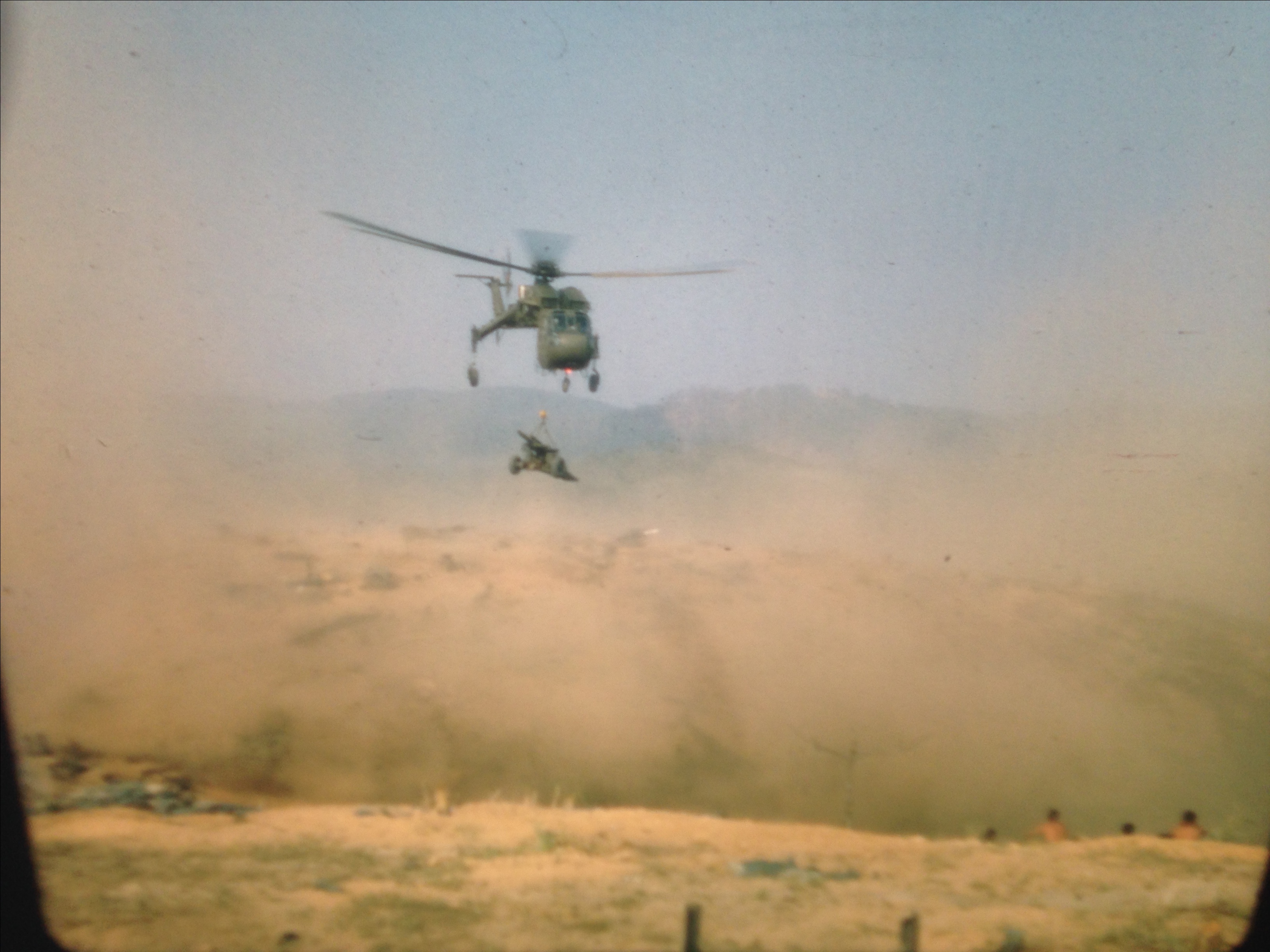
4th Infantry Division • U.S. Army • 1968
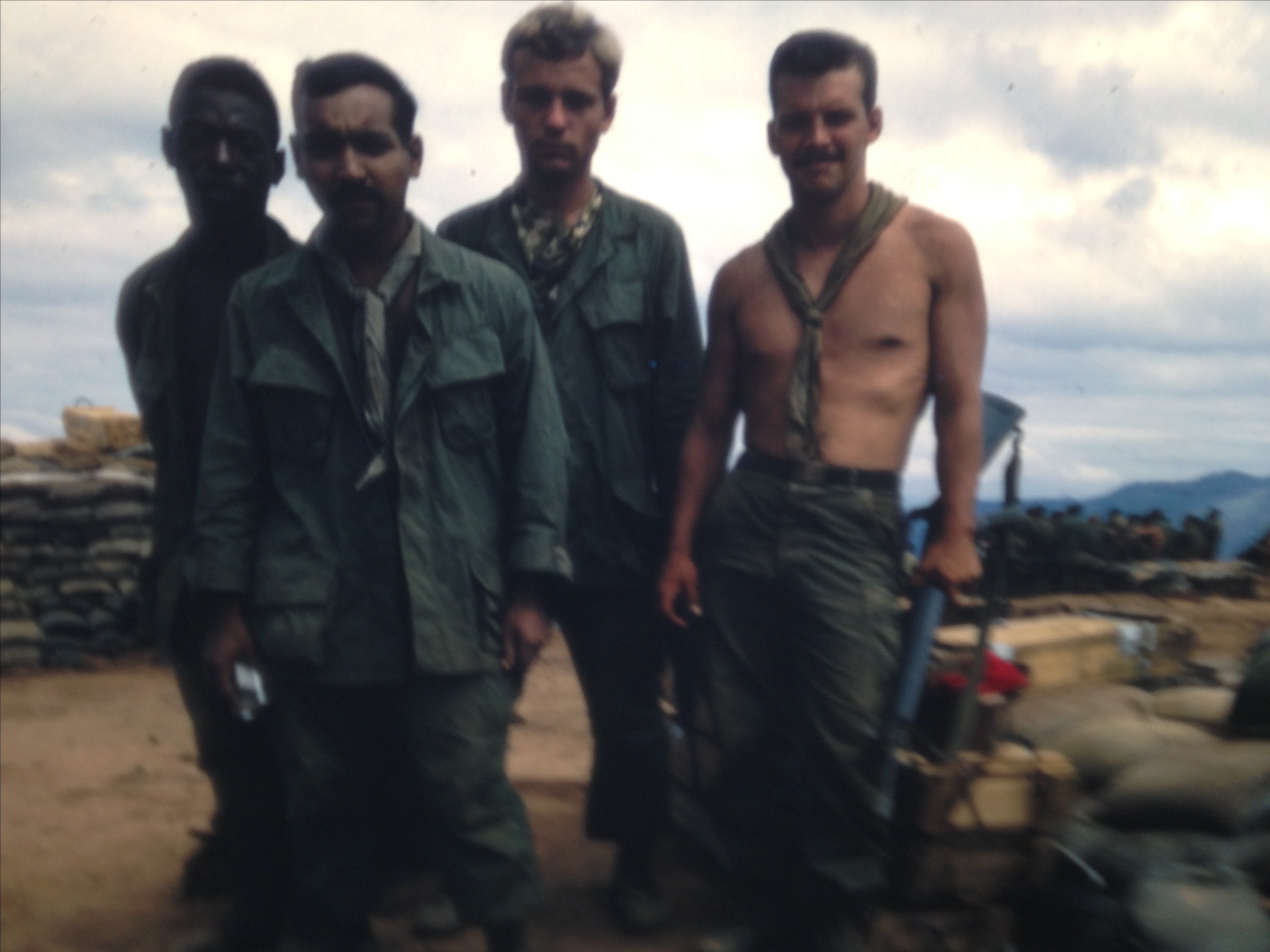
4th Infantry Division • U.S. Army • 1968

U.S. Army

ARTILLERY • U.S. Army