
Opening branch overview
Building the branch home surface
Loading branch highlights, featured unit context, and gallery moments.
Overview
Members
Units
Building the branch home surface
Loading branch highlights, featured unit context, and gallery moments.
Building the branch units surface
Loading unit filters, rankings, and the branch unit grid.

12 members•1 unit
Relive and share the memories of your service-time with your brothers and sisters in arms today. VetFriends.com can help you reconnect.
Did you proudly serve in the US Army South (USARSO)?
Are you looking for someone who is or was in the US Army South (USARSO)?
Do you have US Army South (USARSO) photos you'd like to share?
Then join a community with your brothers and sisters of the US Army South (USARSO).
Branch
U.S. Army
Members
12
U.S. Army South (USARSO) traces its origins to the Panama Canal Department, established in 1917 to protect the strategic waterway. During World War II, the command’s role expanded to defending the region and supporting anti-submarine operations. In 1986, it was redesignated as U.S. Army South and relocated to Fort Sam Houston, Texas, in 2008. Today, USARSO serves as the Army Service Component Command of U.S. Southern Command, responsible for military operations and security cooperation throughout Central and South America and the Caribbean.

364 supply and service company • U.S. Army • 2026
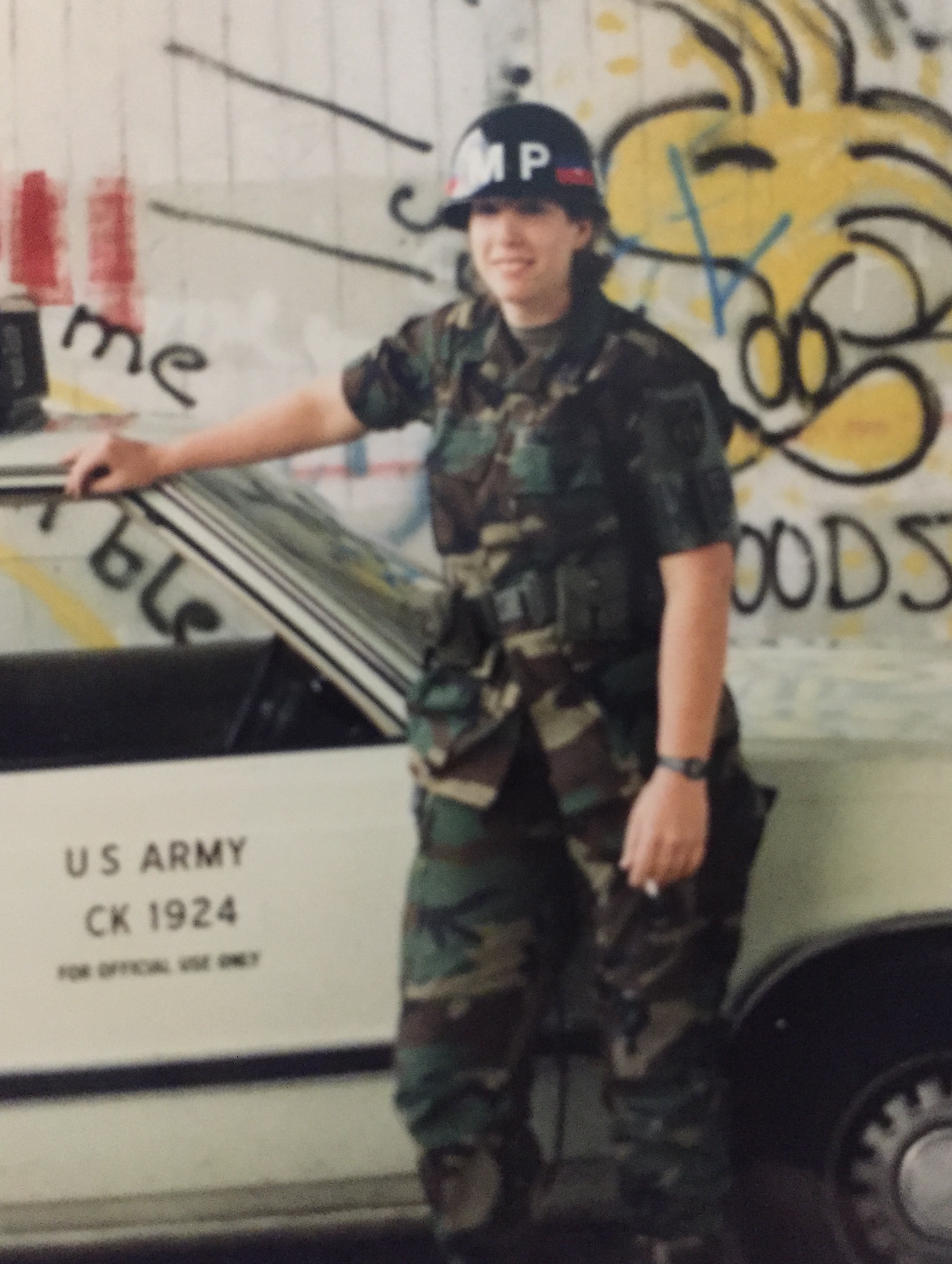
61st MP Co • U.S. Army • 1988
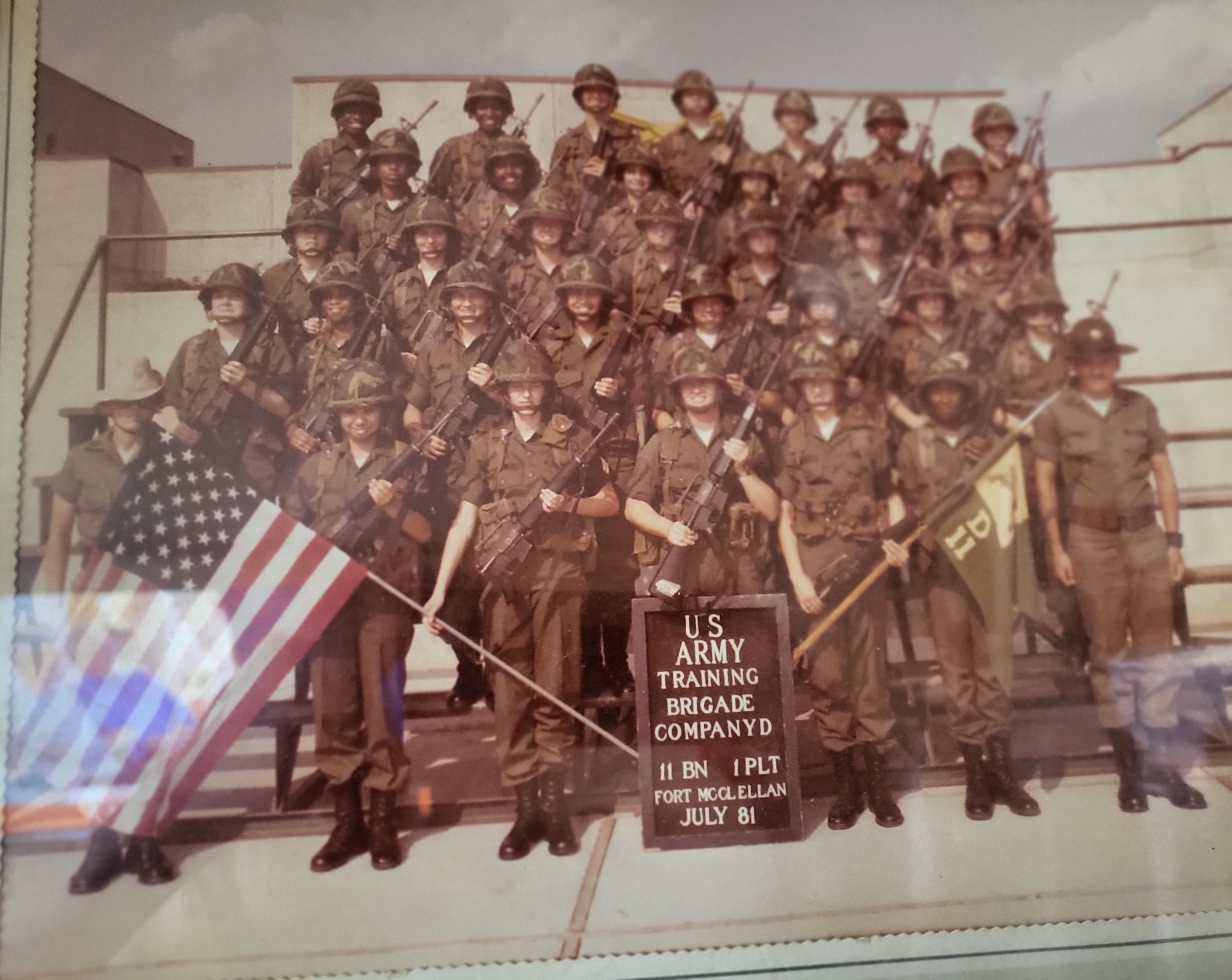
U.S. Army
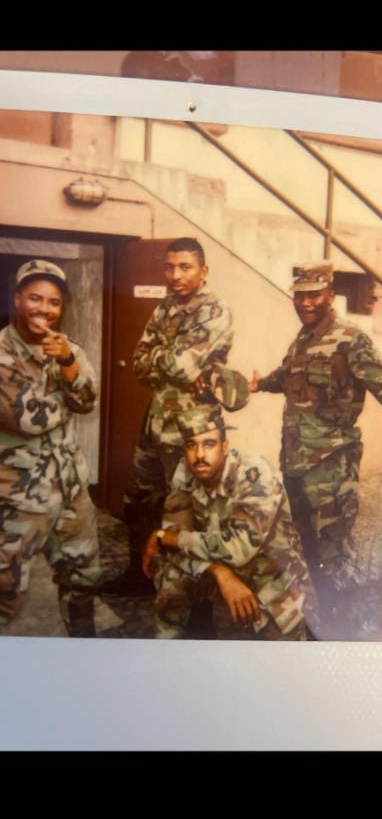
9th Engineer Batallion • U.S. Army