
Opening branch overview
Building the branch home surface
Loading branch highlights, featured unit context, and gallery moments.
Overview
Members
Units
Building the branch home surface
Loading branch highlights, featured unit context, and gallery moments.
Building the branch units surface
Loading unit filters, rankings, and the branch unit grid.

U.S. Army•53 members
Relive and share the memories of your service-time with your brothers and sisters in arms today. VetFriends.com can help you reconnect.
Did you proudly serve in the US Army Signal Corp?
Are you looking for someone who is or was in the US Army Signal Corp?
Do you have US Army Signal Corp photos you'd like to share?
Then join a community with your brothers and sisters of the US Army Signal Corp.
The U.S. Army Signal Corps was established in 1860, just before the outbreak of the American Civil War, to provide communications for the Army. Initially employing visual signaling techniques such as flags and torches, the Corps quickly adopted emerging technologies, including the telegraph and later radio communications. Throughout the 20th century, the Signal Corps played a crucial role in every major conflict, from World War I and II to the wars in Korea, Vietnam, and the Middle East, pioneering advancements in military communications, electronics, and radar. Today, the Signal Corps continues to ensure reliable and secure communications across all Army operations worldwide.
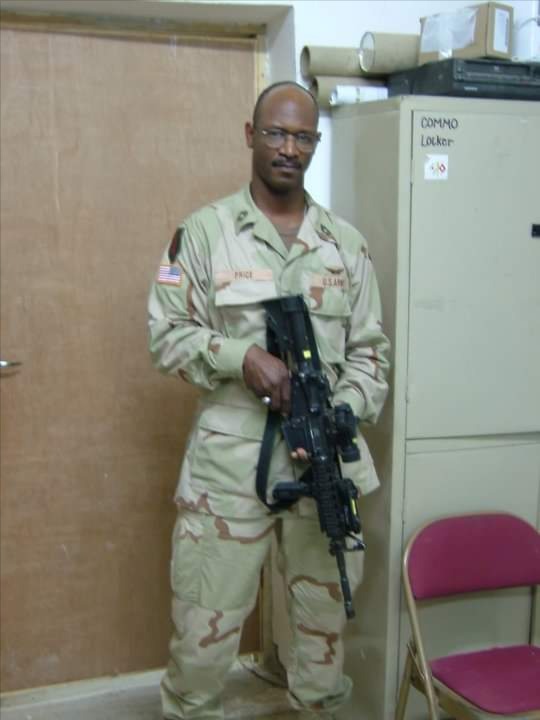
U.S. Army

N/A • U.S. Army • 2011

N/A • U.S. Army • 2010

N/A • U.S. Army • 2010