
Opening branch overview
Building the branch home surface
Loading branch highlights, featured unit context, and gallery moments.
Overview
Members
Units
Building the branch home surface
Loading branch highlights, featured unit context, and gallery moments.
Building the branch units surface
Loading unit filters, rankings, and the branch unit grid.

56 members•1 unit
Relive and share the memories of your service-time with your brothers and sisters in arms today. VetFriends.com can help you reconnect.
Did you proudly serve in the US Army Security Agency?
Are you looking for someone who is or was in the US Army Security Agency?
Do you have US Army Security Agency photos you'd like to share?
Then join a community with your brothers and sisters of the US Army Security Agency.
Branch
U.S. Army
Members
56
The US Army Security Agency (ASA) was established in 1945 as the Army’s primary signals intelligence and electronic warfare organization, inheriting its mission from the World War II-era Signal Intelligence Service. Throughout the Cold War, the ASA played a crucial role in intercepting and analyzing enemy communications, particularly against the Soviet Union and its allies. ASA personnel served worldwide, including significant deployments during the Korean and Vietnam Wars, often operating in highly secretive and hazardous conditions. In 1977, the ASA was disbanded and its functions were merged into the newly formed US Army Intelligence and Security Command (INSCOM), marking the end of the agency as a separate entity.
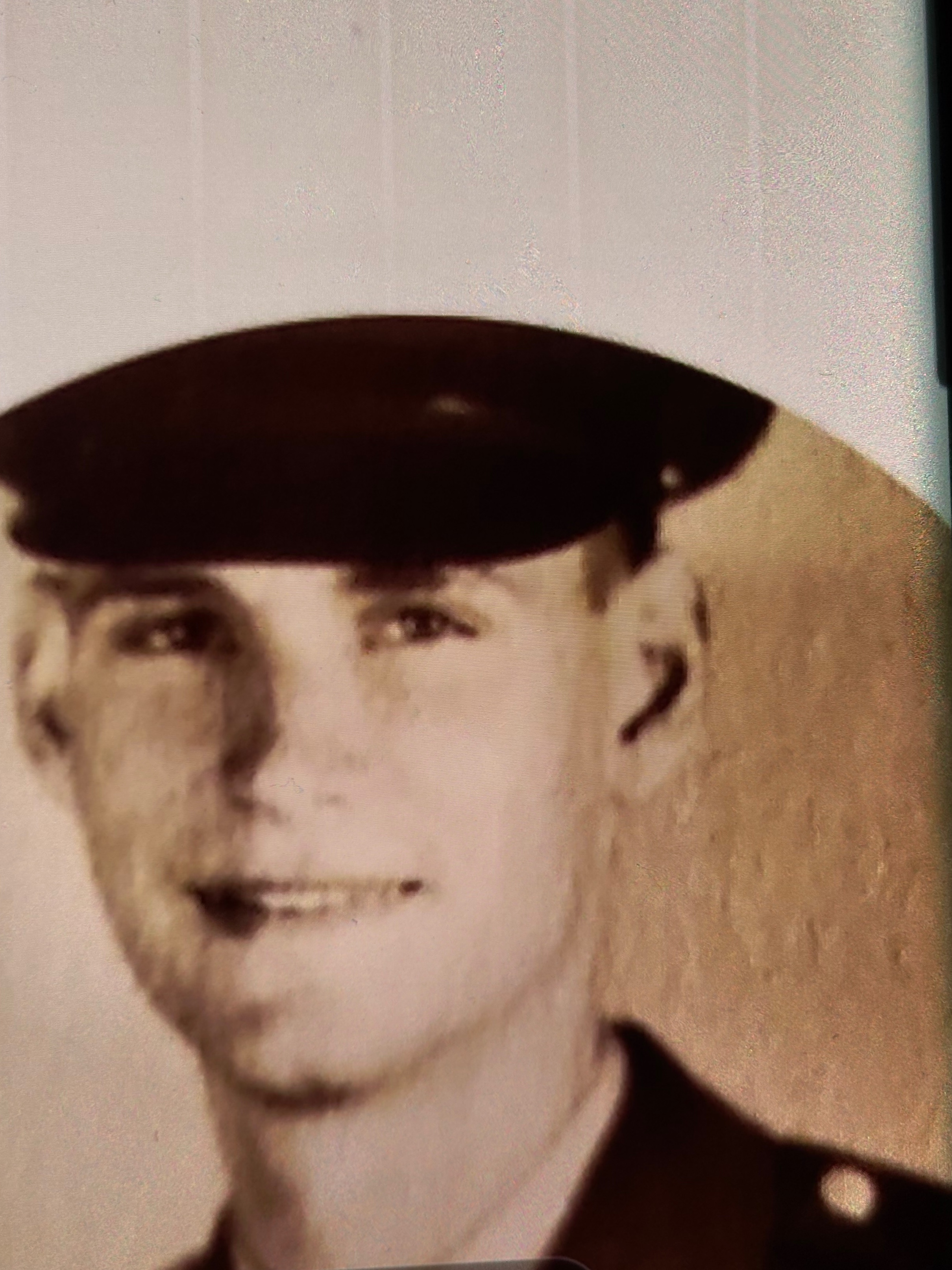
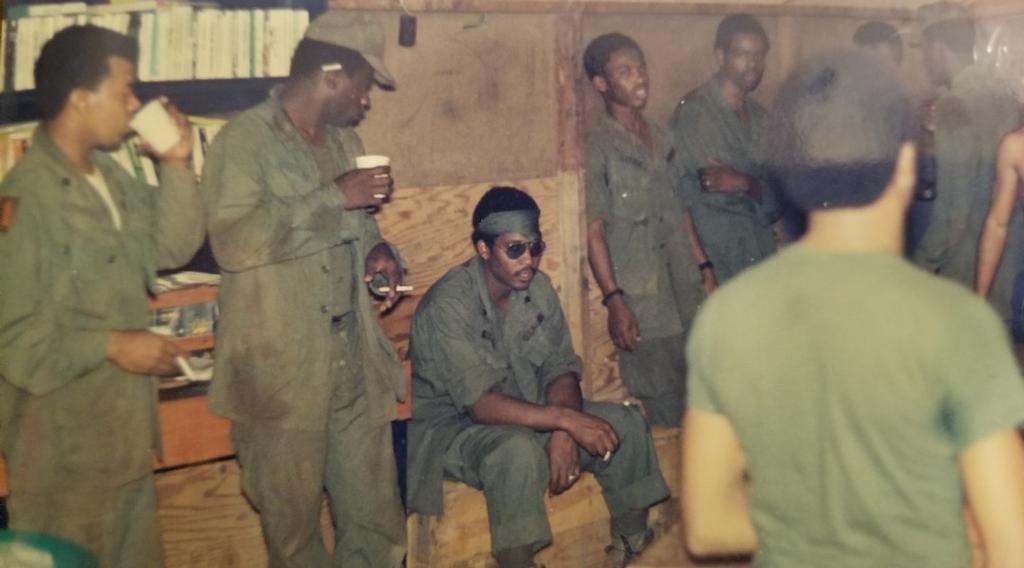
U.S. Army
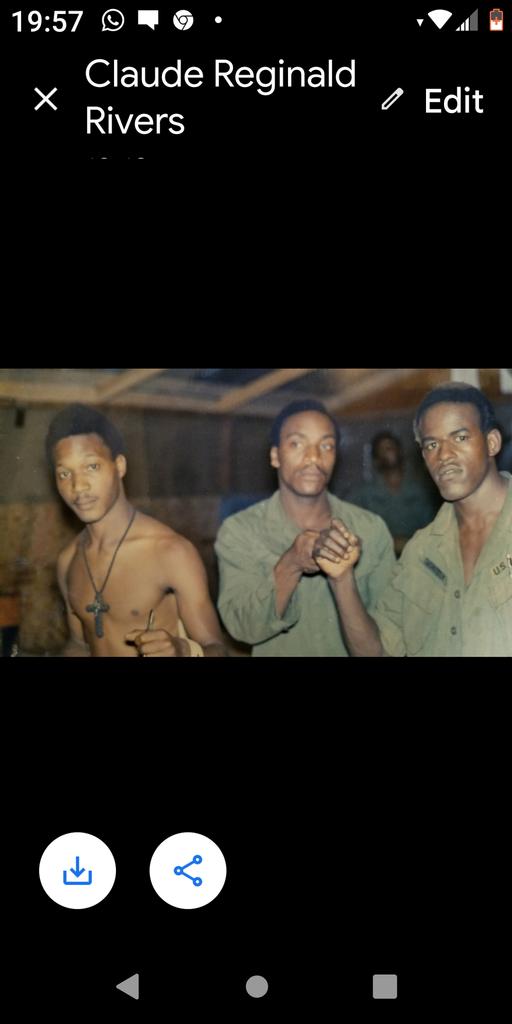
U.S. Army
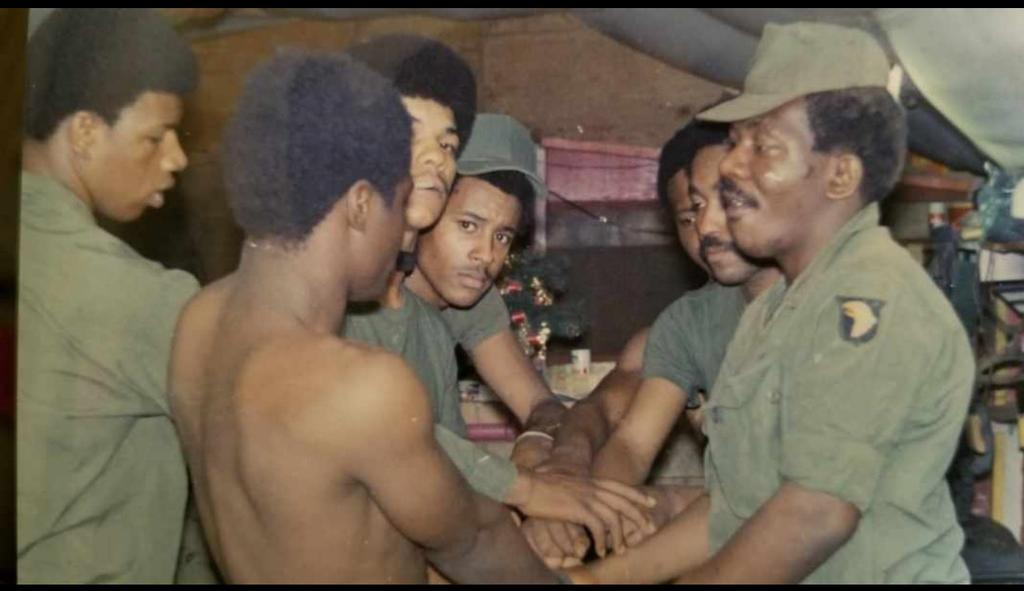
U.S. Army