
Opening branch overview
Building the branch home surface
Loading branch highlights, featured unit context, and gallery moments.
Overview
Members
Units
Building the branch home surface
Loading branch highlights, featured unit context, and gallery moments.
Building the branch units surface
Loading unit filters, rankings, and the branch unit grid.

47 members•1 unit
Relive and share the memories of your service-time with your brothers and sisters in arms today. VetFriends.com can help you reconnect.
Did you proudly serve in the United States Army Medical Command?
Are you looking for someone who is or was in the United States Army Medical Command?
Do you have United States Army Medical Command photos you'd like to share?
Then join a community with your brothers and sisters of the United States Army Medical Command.
Branch
U.S. Army
Members
47
The United States Army Medical Command (MEDCOM) was established in 1994 to provide comprehensive medical, dental, and veterinary care to soldiers, their families, and eligible beneficiaries. MEDCOM consolidated various Army medical functions under a single command, improving efficiency and readiness. The command oversees Army hospitals, clinics, research facilities, and preventive medicine programs worldwide. In 2019, as part of a broader reorganization, many of MEDCOM’s responsibilities were transferred to the Defense Health Agency, but it continues to play a vital role in ensuring the health and medical readiness of Army personnel.

U.S. Army

U.S. Army

MEDDAC • U.S. Army • 1986
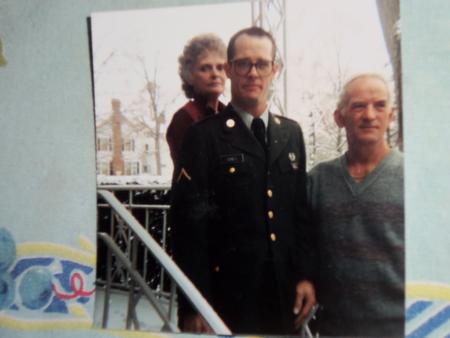
MEDDAC • U.S. Army • 1987