
Opening branch overview
Building the branch home surface
Loading branch highlights, featured unit context, and gallery moments.
Overview
Members
Units
Building the branch home surface
Loading branch highlights, featured unit context, and gallery moments.
Building the branch units surface
Loading unit filters, rankings, and the branch unit grid.

1 members•1 unit
Relive and share the memories of your service-time with your brothers and sisters in arms today. VetFriends.com can help you reconnect.
Did you proudly serve in the Tuslog Det 66-1?
Are you looking for someone who is or was in the Tuslog Det 66-1?
Do you have Tuslog Det 66-1 photos you'd like to share?
Then join a community with your brothers and sisters of the Tuslog Det 66-1.
Branch
U.S. Army
Members
1
TUSLOG Detachment 66-1 was a United States Air Force unit operating under The United States Logistics Group (TUSLOG) in Turkey during the Cold War. Established in the 1950s, TUSLOG Det 66-1 was based at Sinop, a strategic location on the Black Sea coast. The unit's primary mission was signals intelligence (SIGINT) and electronic surveillance, supporting NATO and U.S. intelligence operations aimed at monitoring Soviet activities in the region. Throughout its tenure, TUSLOG Det 66-1 played a vital role in gathering critical information and fostering U.S.-Turkish military cooperation until its eventual drawdown in the late 20th century.
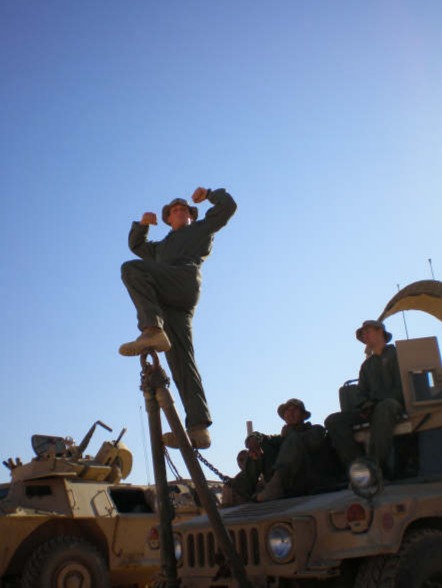
82nd ABN • U.S. Army • 2007
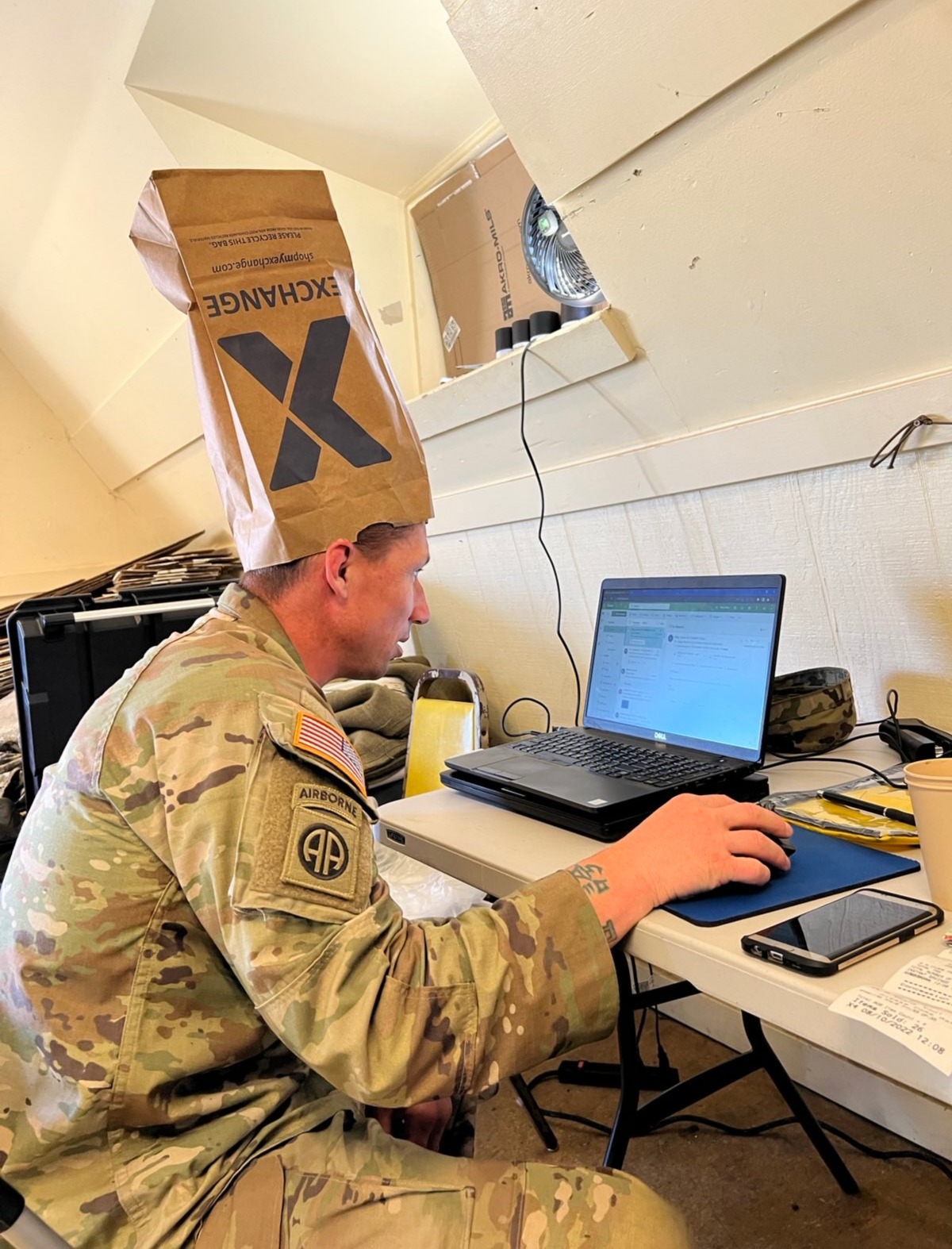
100th BN, 442 IN • U.S. Army • 2022
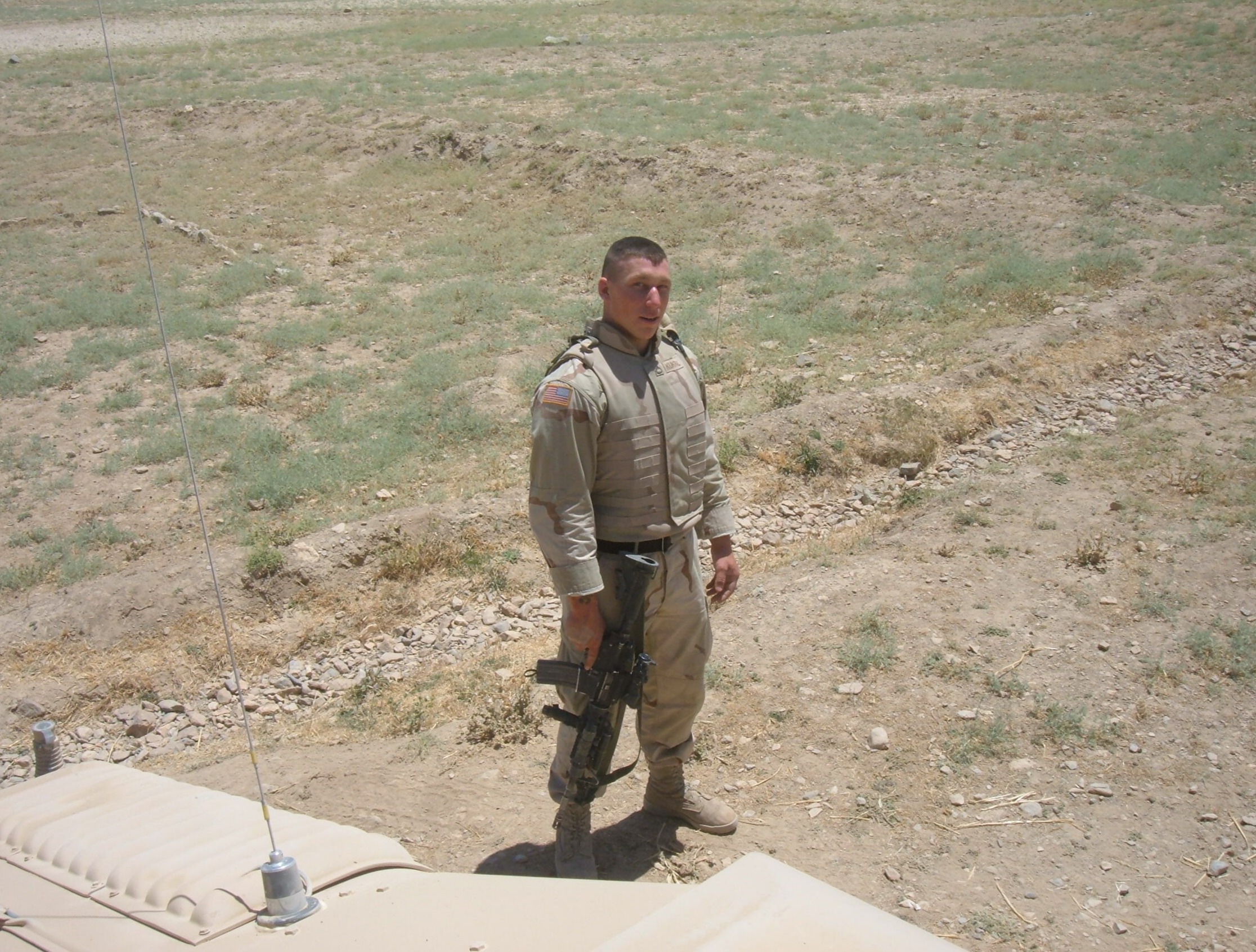
82nd ABN • U.S. Army • 2005
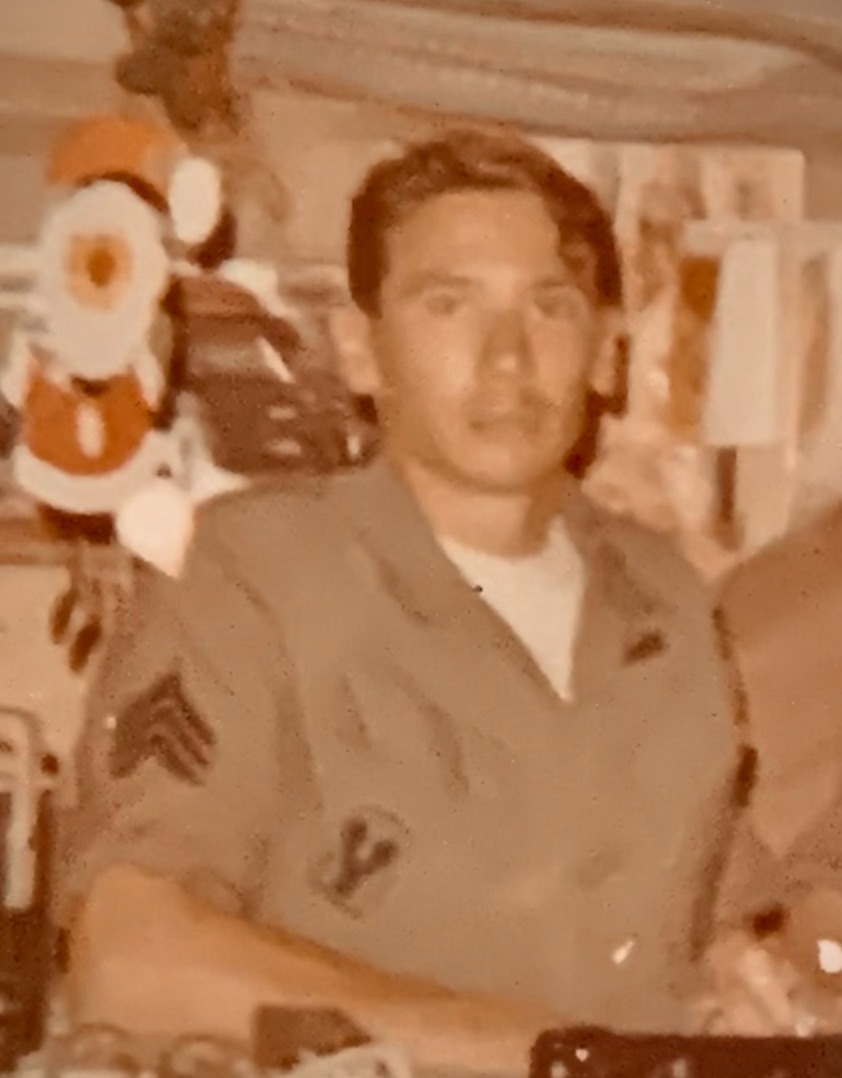
196th LIB • U.S. Army • 1969