
Opening branch overview
Building the branch home surface
Loading branch highlights, featured unit context, and gallery moments.
Overview
Members
Units
Building the branch home surface
Loading branch highlights, featured unit context, and gallery moments.
Building the branch units surface
Loading unit filters, rankings, and the branch unit grid.

4 members•1 unit
Relive and share the memories of your service-time with your brothers and sisters in arms today. VetFriends.com can help you reconnect.
Did you proudly serve in the Total Army Personnel Command?
Are you looking for someone who is or was in the Total Army Personnel Command?
Do you have Total Army Personnel Command photos you'd like to share?
Then join a community with your brothers and sisters of the Total Army Personnel Command.
Branch
U.S. Army
Members
4
The Total Army Personnel Command (PERSCOM) was established to centralize and manage all human resource functions for the United States Army. Originating in the 1980s, PERSCOM consolidated various personnel management activities, including assignments, promotions, and records, under one command headquartered in Alexandria, Virginia. The organization played a vital role in supporting both active duty and reserve forces, ensuring efficient personnel readiness and career management. In 2003, PERSCOM was reorganized and its functions were integrated into the newly created U.S. Army Human Resources Command (HRC) as part of an Army-wide transformation to streamline operations and improve service delivery.

U.S. Army
1st Aviation • U.S. Army • 1969
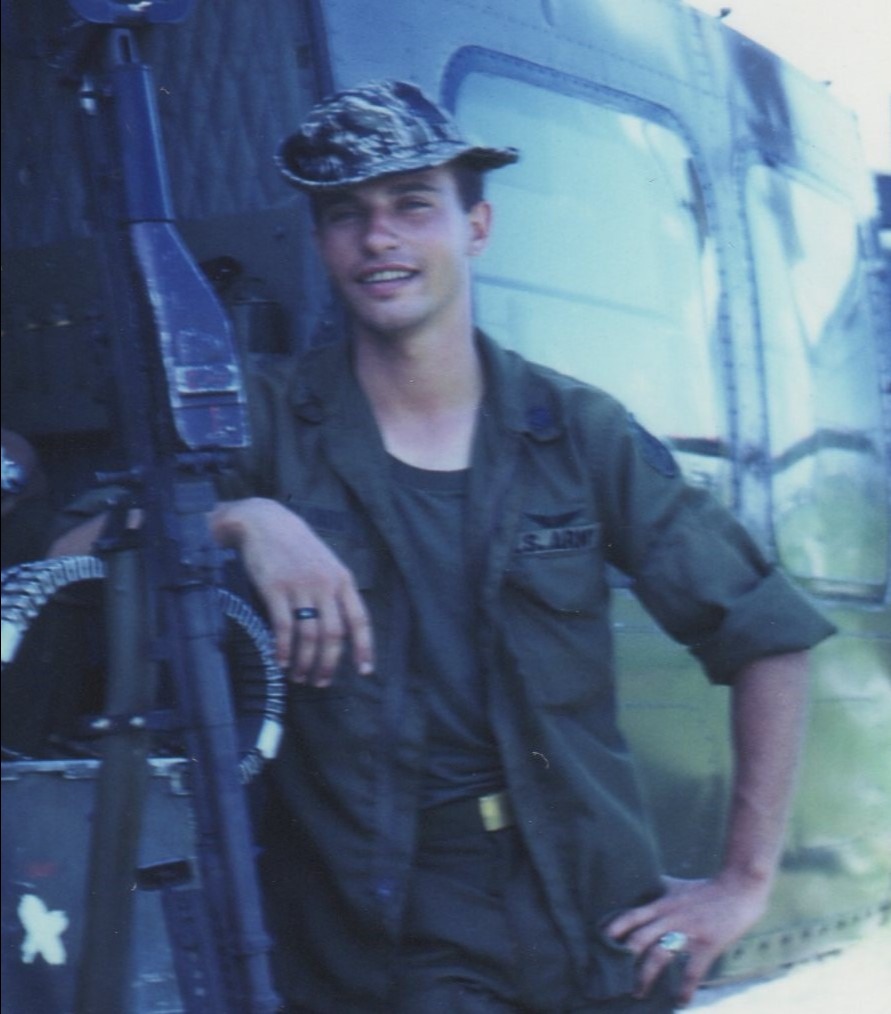
1st Aviation • U.S. Army • 1969
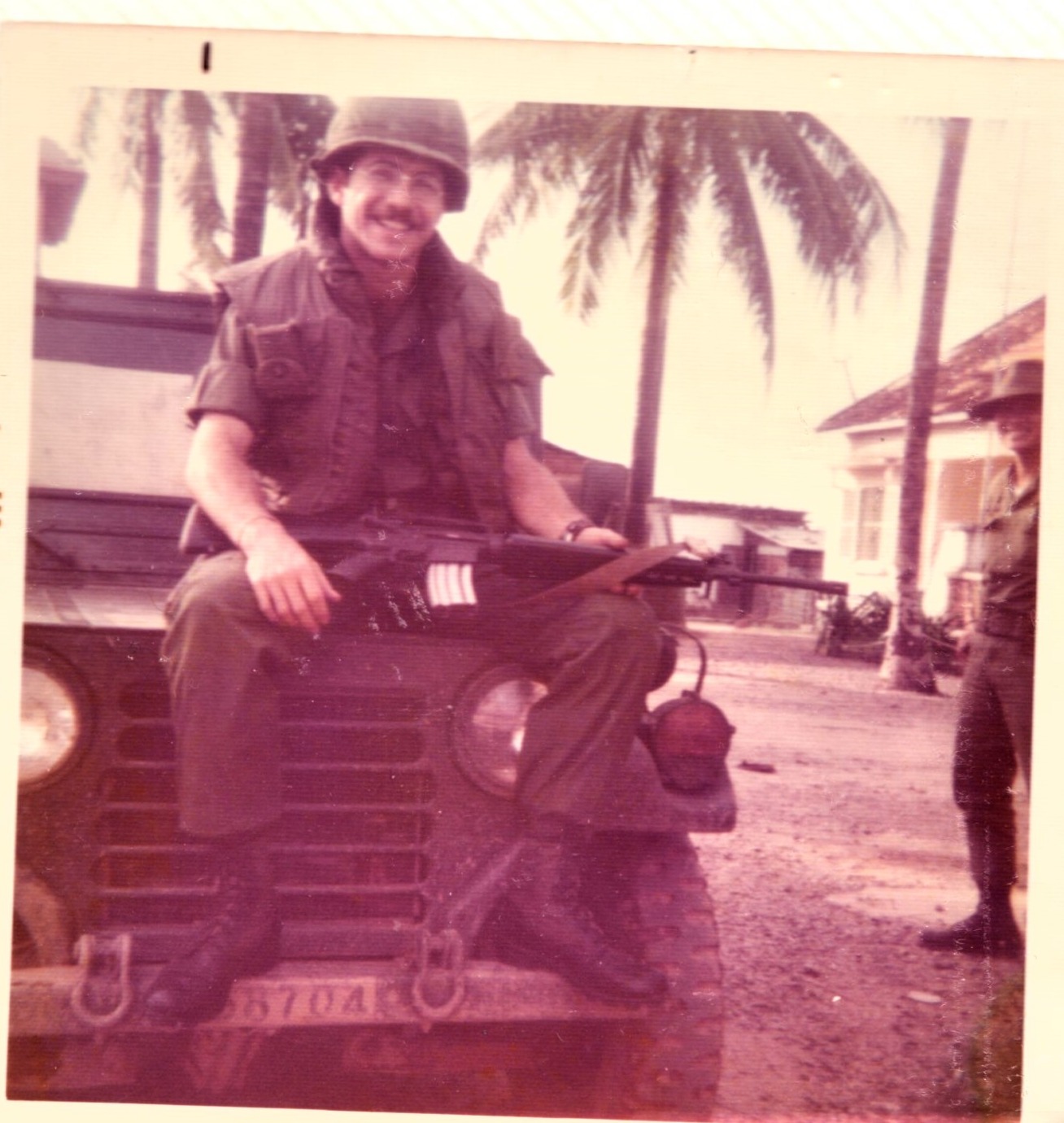
U.S. Army • 1972