
Opening branch overview
Building the branch home surface
Loading branch highlights, featured unit context, and gallery moments.
Overview
Members
Units
Building the branch home surface
Loading branch highlights, featured unit context, and gallery moments.
Building the branch units surface
Loading unit filters, rankings, and the branch unit grid.

U.S. Army•2 members
Relive and share the memories of your service-time with your brothers and sisters in arms today. VetFriends.com can help you reconnect.
Did you proudly serve in the TACP Camp Casey?
Are you looking for someone who is or was in the TACP Camp Casey?
Do you have TACP Camp Casey photos you'd like to share?
Then join a community with your brothers and sisters of the TACP Camp Casey.
Tactical Air Control Party (TACP) units stationed at Camp Casey, South Korea, have played a crucial role in facilitating close air support for U.S. and allied ground forces on the Korean Peninsula. Established during the Cold War, TACP personnel at Camp Casey work alongside the 2nd Infantry Division, providing critical communication links between ground commanders and combat aircraft. Over the decades, their presence has ensured rapid and precise air support capabilities in one of the world’s most heavily fortified regions. Today, TACP teams at Camp Casey remain a vital component of U.S. deterrence and defense strategy on the Korean Peninsula.
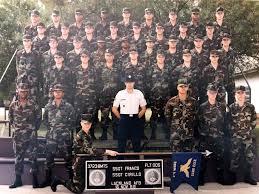
U.S. Air Force
U.S. Air Force
U.S. Air Force
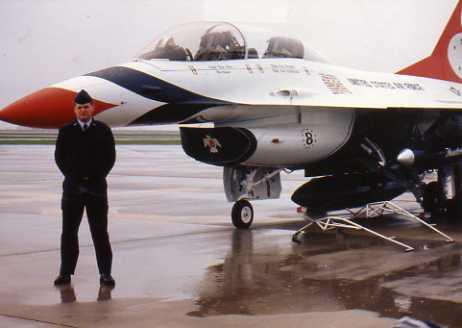
U.S. Air Force