
Opening branch overview
Building the branch home surface
Loading branch highlights, featured unit context, and gallery moments.
Overview
Members
Units
Building the branch home surface
Loading branch highlights, featured unit context, and gallery moments.
Building the branch units surface
Loading unit filters, rankings, and the branch unit grid.

3 members•1 unit
Relive and share the memories of your service-time with your brothers and sisters in arms today. VetFriends.com can help you reconnect.
Did you proudly serve in the SUSLAK?
Are you looking for someone who is or was in the SUSLAK?
Do you have SUSLAK photos you'd like to share?
Then join a community with your brothers and sisters of the SUSLAK.
Branch
U.S. Army
Members
3
SUSLAK, which stands for Special U.S. Liaison Advisor, Korea, was a covert U.S. Army unit established during the Korean War in 1950. Its primary mission was to provide intelligence support and facilitate liaison between U.S. and Republic of Korea (ROK) military forces. Operating largely behind the scenes, SUSLAK personnel assisted in coordinating operations, sharing critical intelligence, and improving communication between allied commands. The unit played a vital role in enhancing the effectiveness of combined operations throughout the conflict, setting a precedent for future U.S.-ROK military cooperation.
U.S. Army
278 Signal Corp • U.S. Army
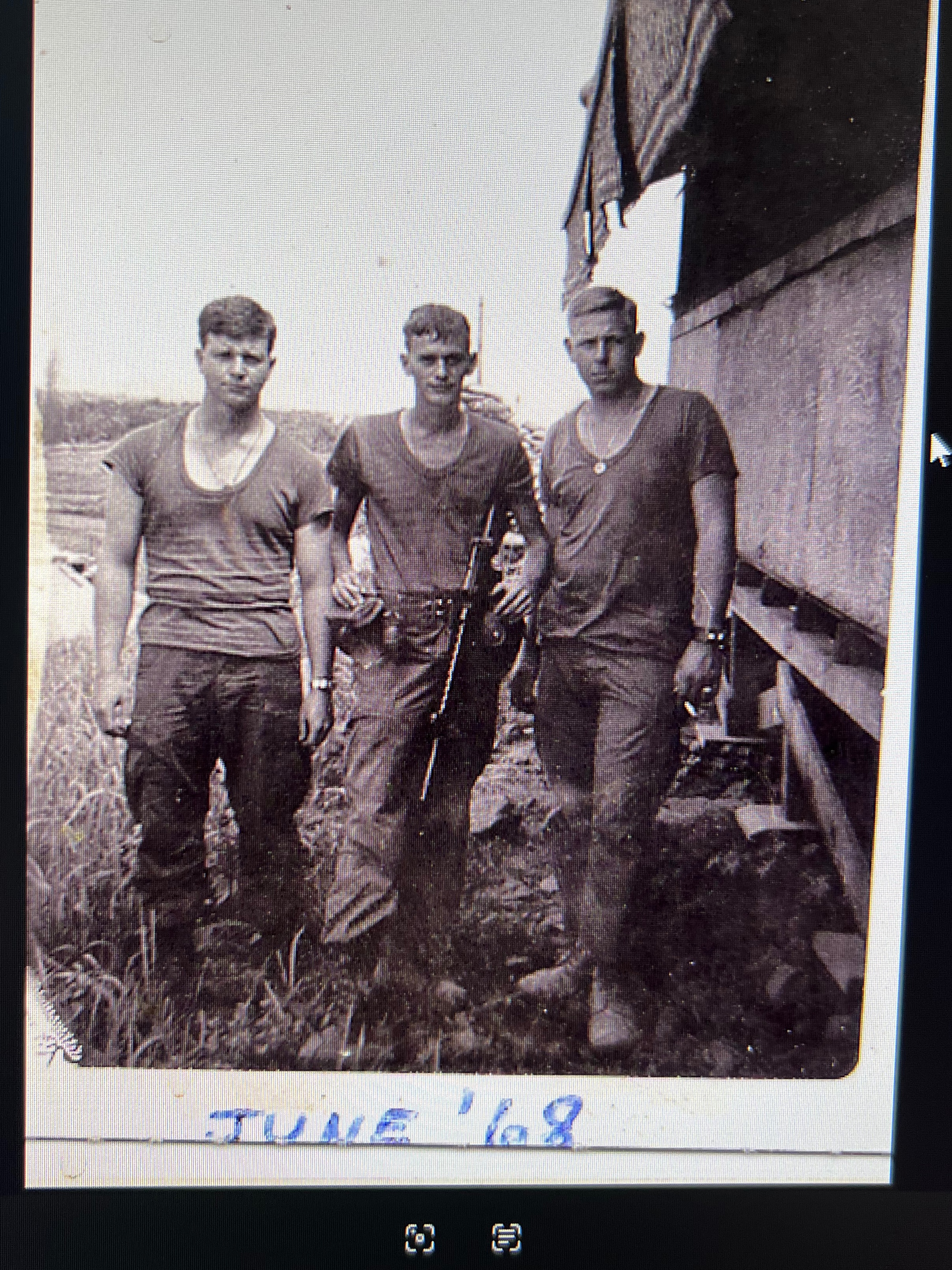
11th light infantry • U.S. Army • 1968
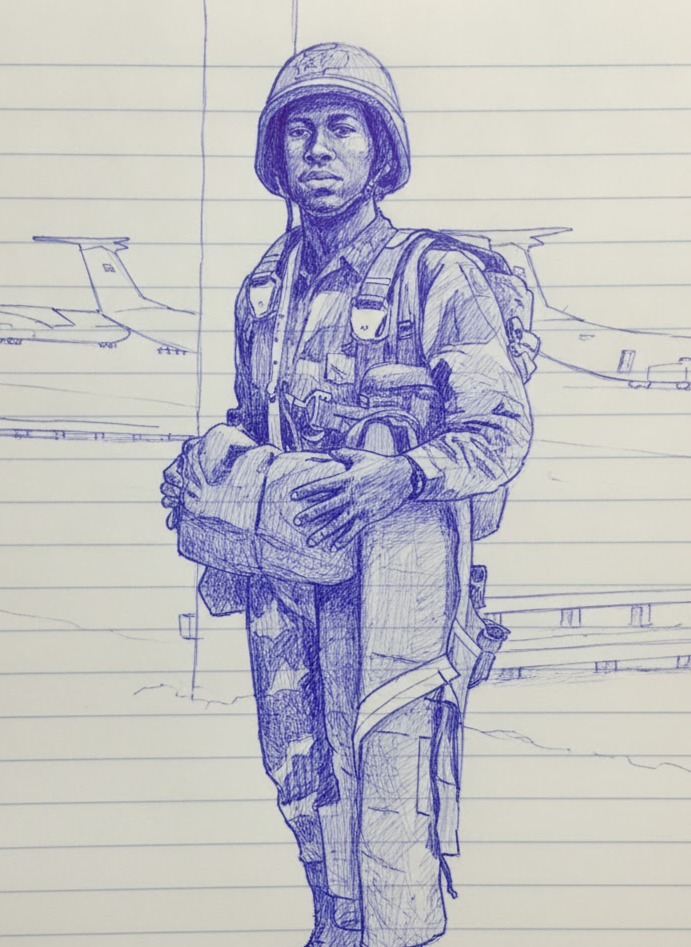
313 MI Battalion • U.S. Army • 1990