
Opening branch overview
Building the branch home surface
Loading branch highlights, featured unit context, and gallery moments.
Overview
Members
Units
Building the branch home surface
Loading branch highlights, featured unit context, and gallery moments.
Building the branch units surface
Loading unit filters, rankings, and the branch unit grid.

5 members•1 unit
Relive and share the memories of your service-time with your brothers and sisters in arms today. VetFriends.com can help you reconnect.
Did you proudly serve in the Signalman?
Are you looking for someone who is or was in the Signalman?
Do you have Signalman photos you'd like to share?
Then join a community with your brothers and sisters of the Signalman.
Branch
U.S. Army
Members
5
The Signalman is a military unit specializing in battlefield communications, with origins dating back to the early 19th century. Initially, signalmen used visual methods such as flags (semaphore), signal lamps, and heliographs to convey messages across distances. Their role expanded greatly during the World Wars, when they became responsible for operating telegraphs, radios, and other electronic communication equipment, ensuring coordinated operations. Today, the modern signalman, often part of a Signal Corps or equivalent, manages advanced digital communications, playing a crucial role in command and control on contemporary battlefields.
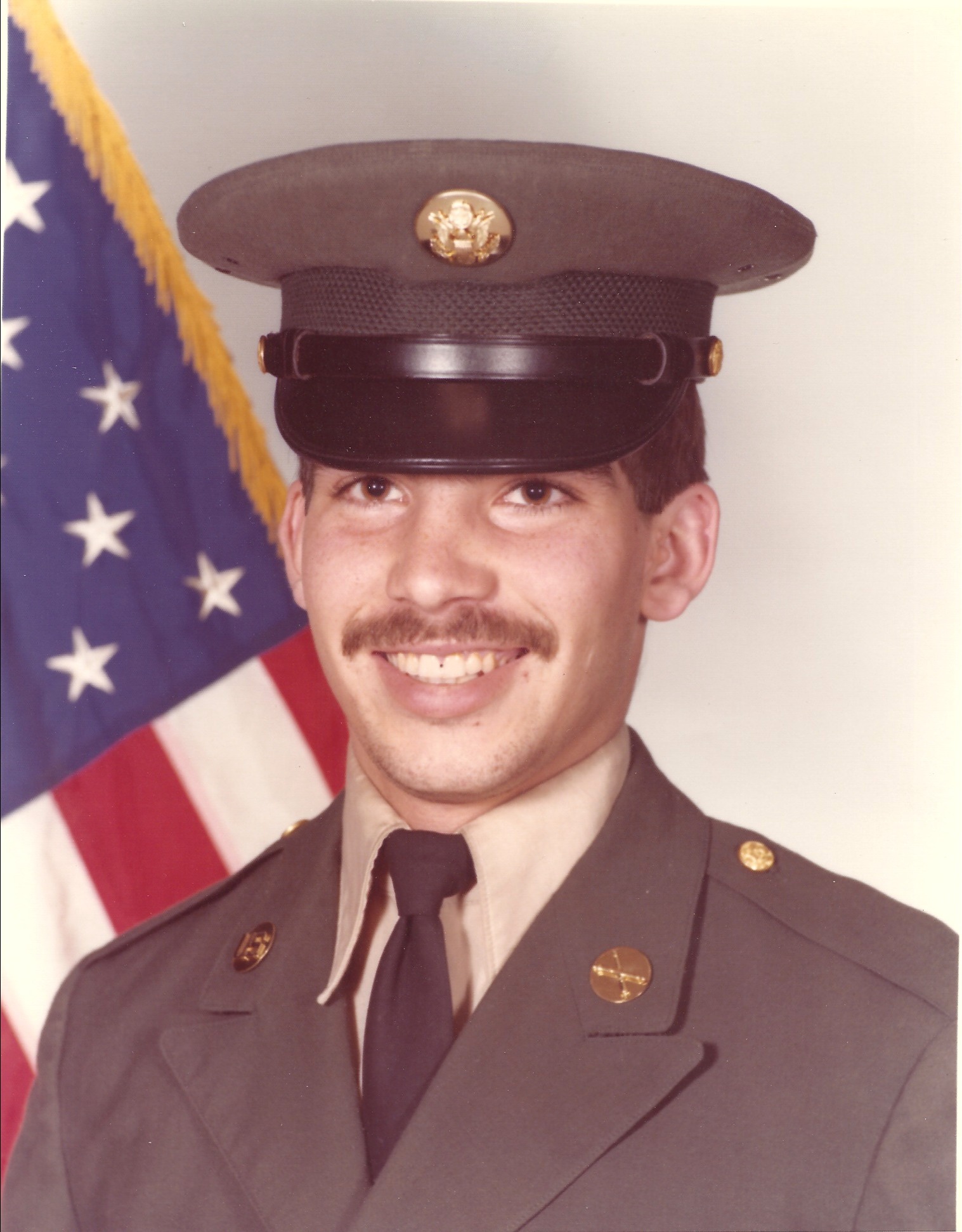
ARTILLERY • U.S. Army
U.S. Army
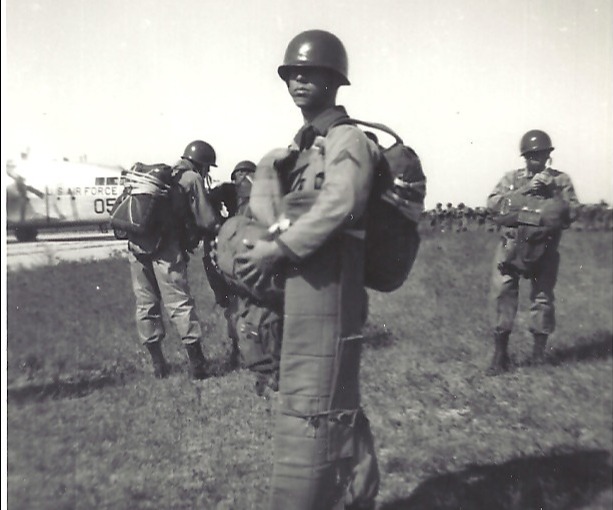
82nd Airborne • U.S. Army • 1954
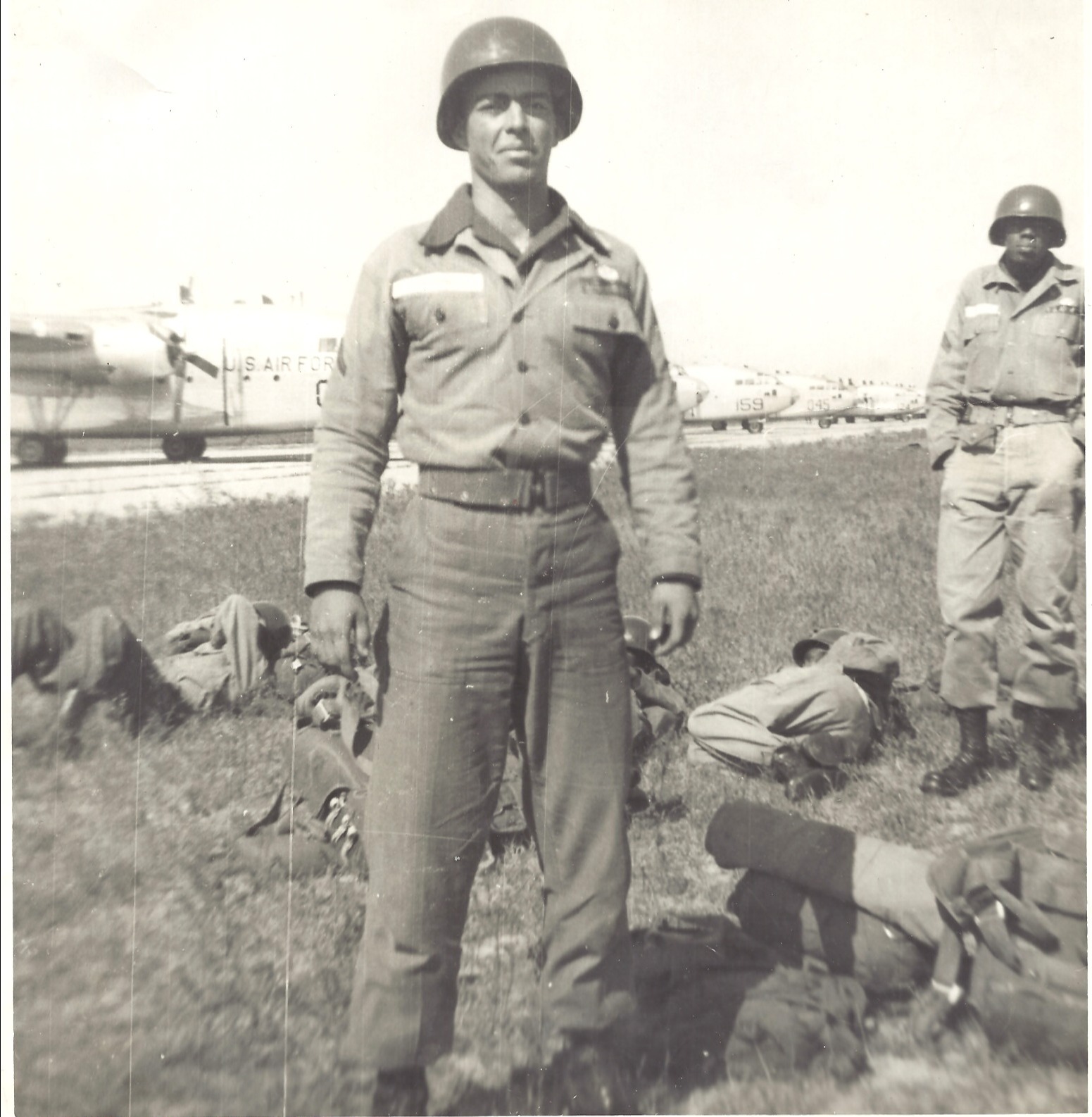
82nd Airborne • U.S. Army • 1954