
Opening branch overview
Building the branch home surface
Loading branch highlights, featured unit context, and gallery moments.
Overview
Members
Units
Building the branch home surface
Loading branch highlights, featured unit context, and gallery moments.
Building the branch units surface
Loading unit filters, rankings, and the branch unit grid.

U.S. Army•27 members
Relive and share the memories of your service-time with your brothers and sisters in arms today. VetFriends.com can help you reconnect.
Did you proudly serve in the signal corps?
Are you looking for someone who is or was in the signal corps?
Do you have signal corps photos you'd like to share?
Then join a community with your brothers and sisters of the signal corps.
The Signal Corps is a specialized branch within many national militaries, responsible for managing military communications and information systems. Established during the American Civil War in 1860, the U.S. Army Signal Corps pioneered the use of visual signaling, telegraphy, and later, radio communications on the battlefield. Over time, the corps expanded its mission to include the development and maintenance of advanced communications technology, ensuring secure and reliable transmission of information. Today, the Signal Corps plays a vital role in modern military operations, supporting command and control through cutting-edge cyber and satellite communications.
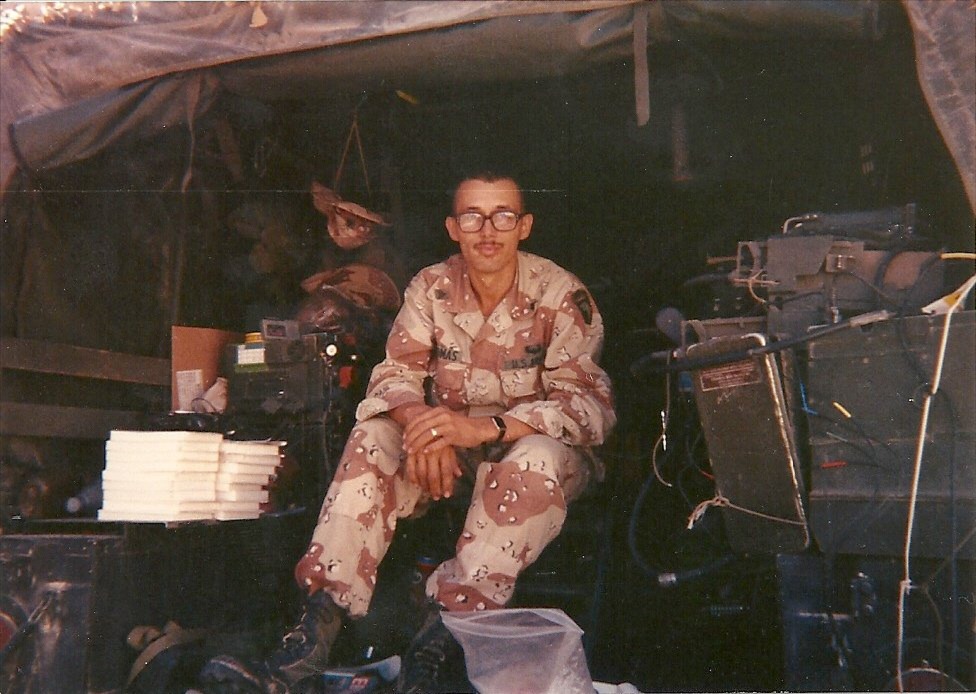
101st Airborne • U.S. Army • 1990
U.S. Army

4th Infantry Division • U.S. Army • 1967
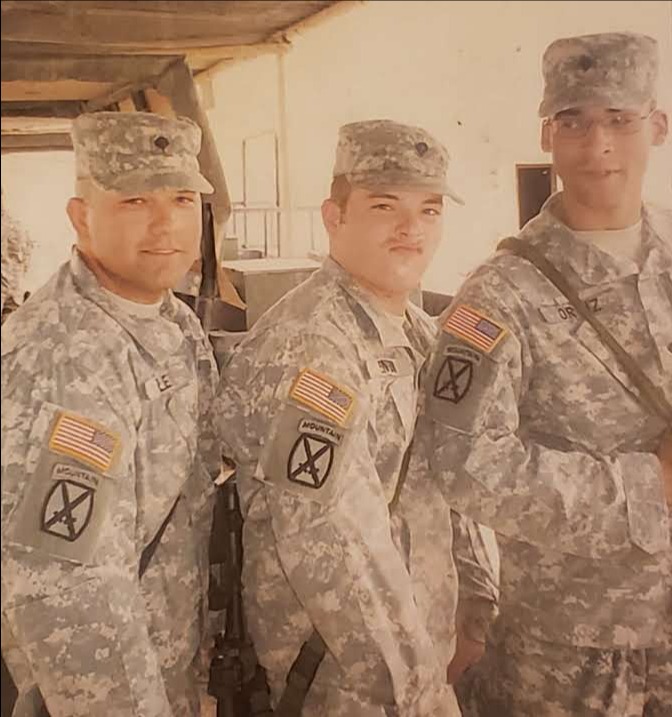
3rd Infantry Division • U.S. Army • 2007