
Opening branch overview
Building the branch home surface
Loading branch highlights, featured unit context, and gallery moments.
Overview
Members
Units
Building the branch home surface
Loading branch highlights, featured unit context, and gallery moments.
Building the branch units surface
Loading unit filters, rankings, and the branch unit grid.

1 members•1 unit
Relive and share the memories of your service-time with your brothers and sisters in arms today. VetFriends.com can help you reconnect.
Did you proudly serve in the RFS 278th ACR?
Are you looking for someone who is or was in the RFS 278th ACR?
Do you have RFS 278th ACR photos you'd like to share?
Then join a community with your brothers and sisters of the RFS 278th ACR.
Branch
U.S. Army
Members
1
The 278th Armored Cavalry Regiment (ACR) is a unit of the Tennessee Army National Guard, with its roots tracing back to 1887 as part of the state militia. Over the decades, the regiment has served in various roles, including as infantry and cavalry, and has participated in both World Wars and the Gulf War. In the Global War on Terror, the 278th ACR was mobilized for Operation Iraqi Freedom, deploying to Iraq in 2004–2005 and again in 2009–2010, providing reconnaissance, security, and stability operations. Renowned for its adaptability and professionalism, the 278th continues to serve as a premier armored cavalry unit within the U.S. Army National Guard.
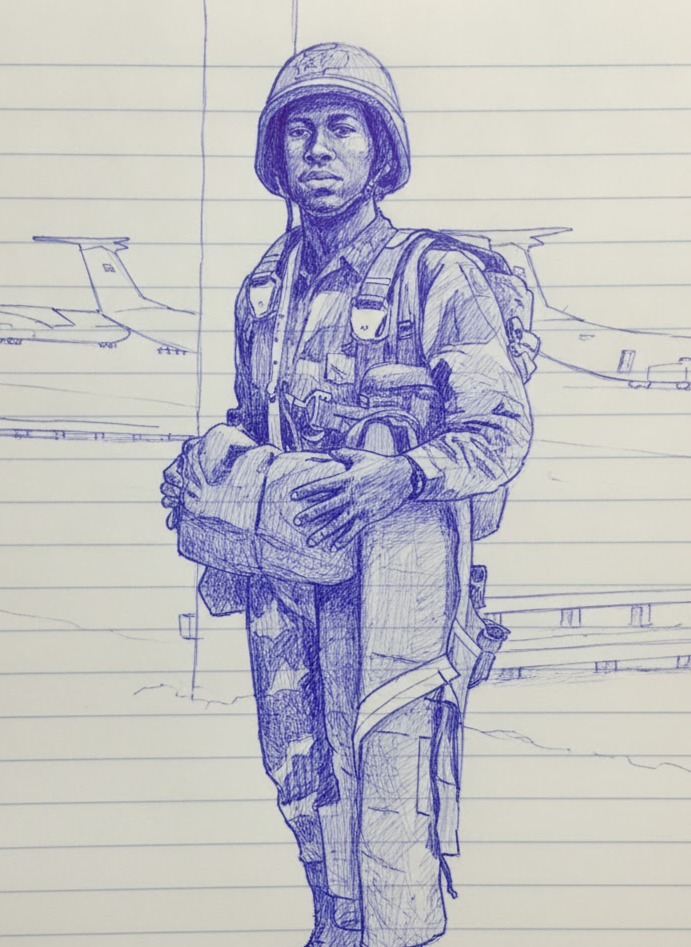
313 MI Battalion • U.S. Army • 1990
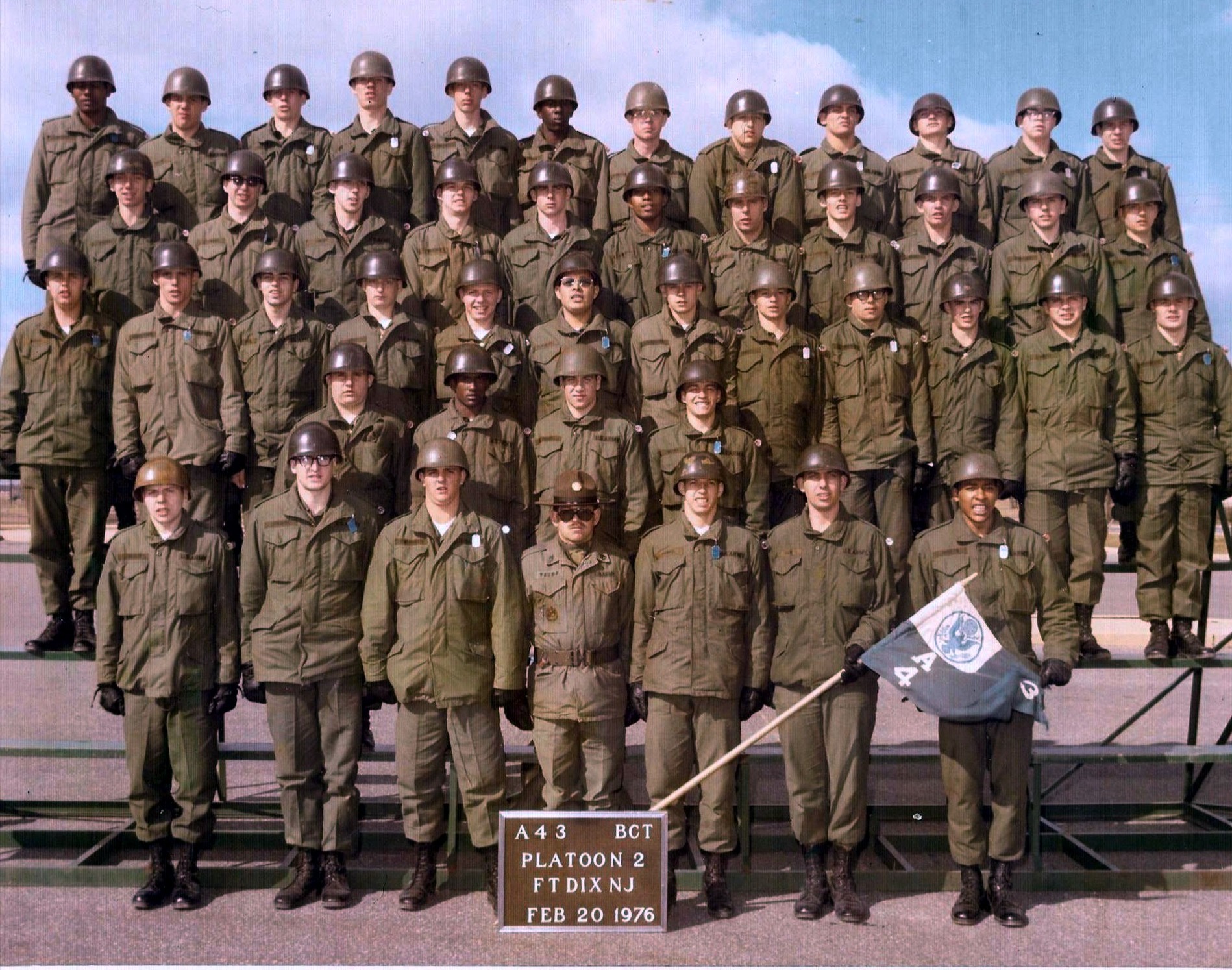
A-4-3 • U.S. Army • 1976
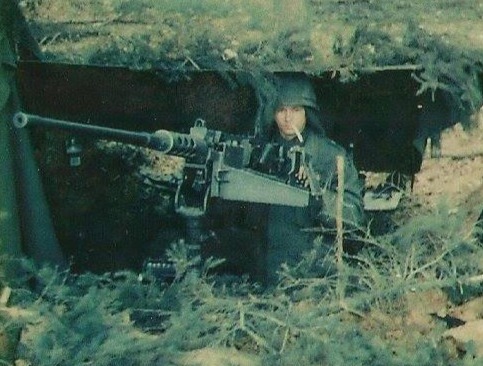
D co 317th Combat Engineers 130th Brigade • U.S. Army • 1976
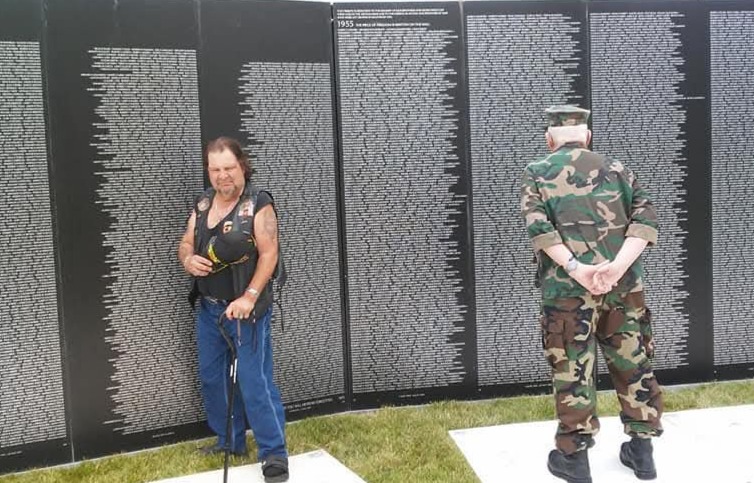
101st Airborne Div. • U.S. Army • 1972