
Opening branch overview
Building the branch home surface
Loading branch highlights, featured unit context, and gallery moments.
Overview
Members
Units
Building the branch home surface
Loading branch highlights, featured unit context, and gallery moments.
Building the branch units surface
Loading unit filters, rankings, and the branch unit grid.

3 members•1 unit
Relive and share the memories of your service-time with your brothers and sisters in arms today. VetFriends.com can help you reconnect.
Did you proudly serve in the Readiness Group 2nd Army?
Are you looking for someone who is or was in the Readiness Group 2nd Army?
Do you have Readiness Group 2nd Army photos you'd like to share?
Then join a community with your brothers and sisters of the Readiness Group 2nd Army.
Branch
U.S. Army
Members
3
Readiness Group 2nd Army is a U.S. Army unit established to enhance the training, readiness, and mobilization support of Army Reserve and National Guard units. Originally formed during the restructuring of Army support commands in the late 20th century, the group has played a critical role in preparing reserve forces for deployment. Its mission includes conducting evaluations, readiness assessments, and assistance programs to ensure reserve component units meet operational standards. Over the years, Readiness Group 2nd Army has supported numerous mobilizations for operations both at home and abroad, reflecting its ongoing commitment to Army preparedness and effectiveness.
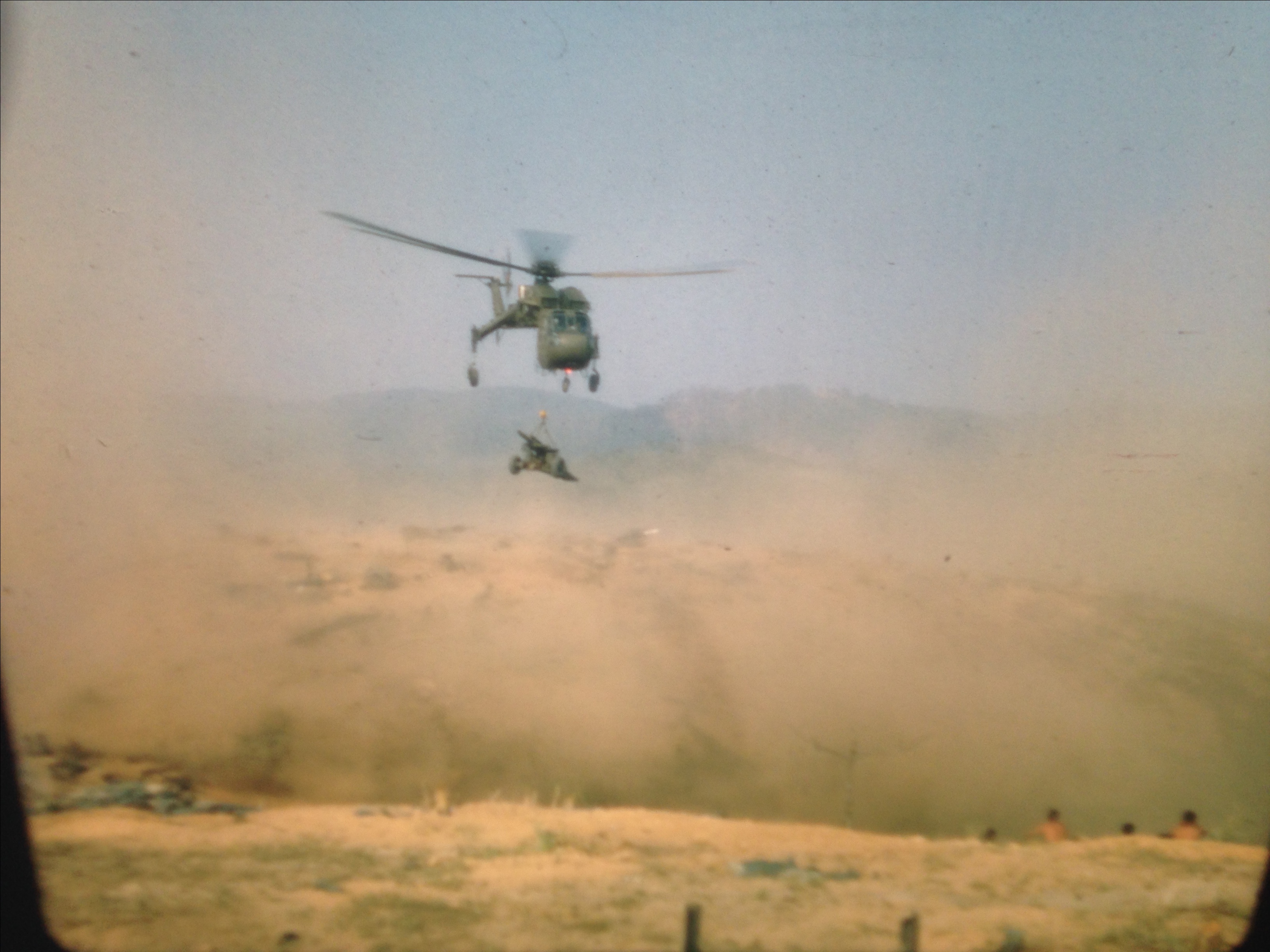
4th Infantry Division • U.S. Army • 1968
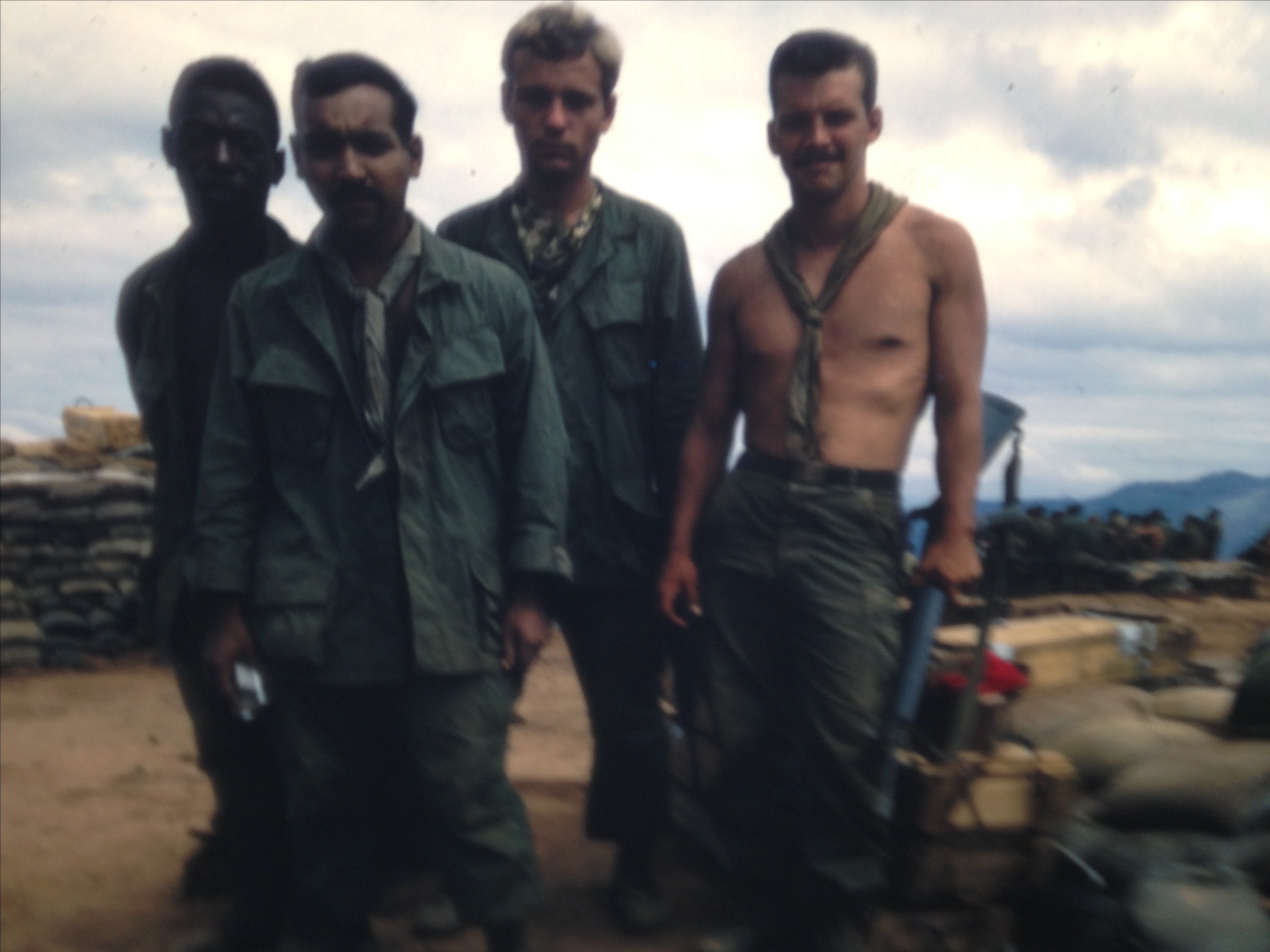
4th Infantry Division • U.S. Army • 1968

U.S. Army
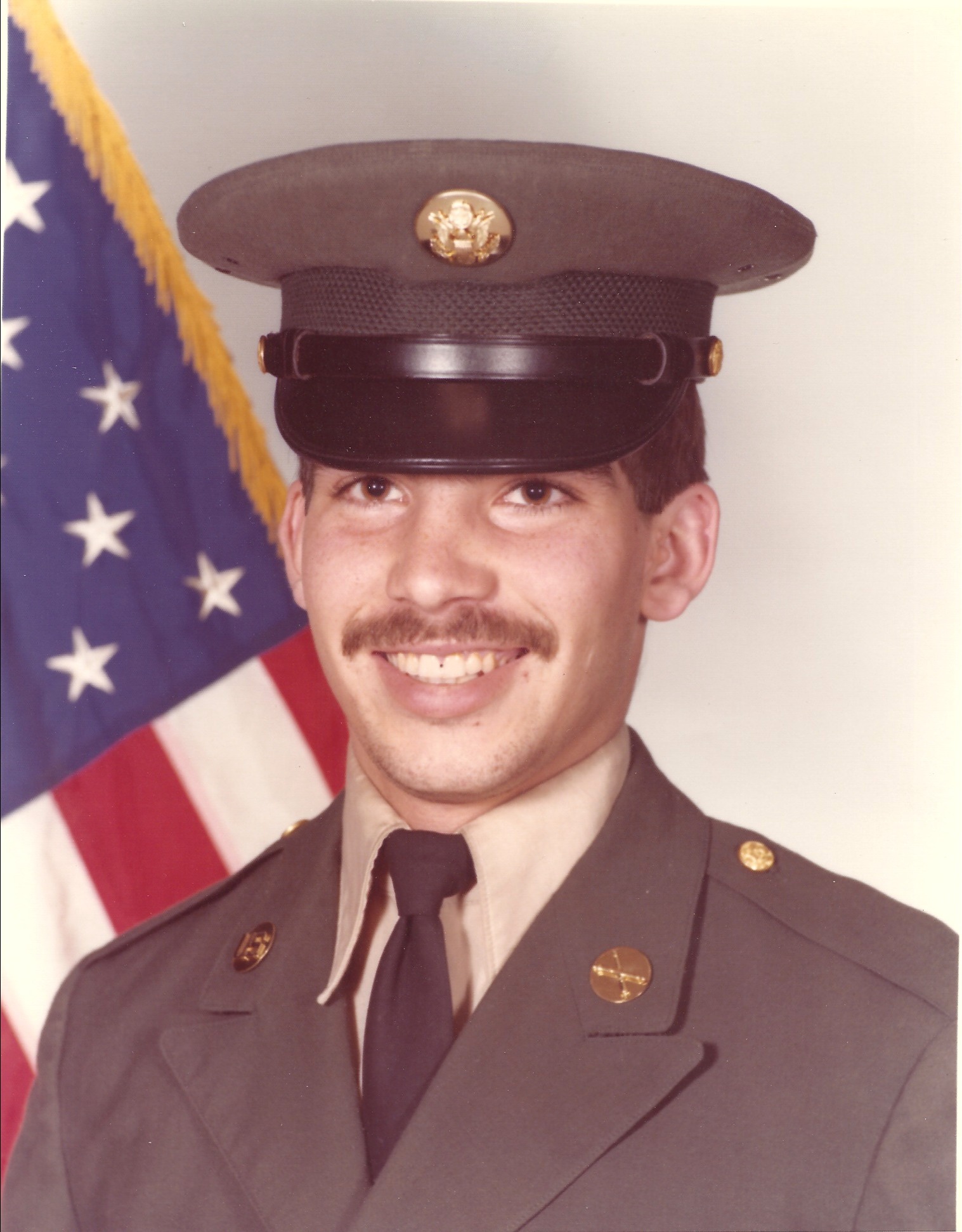
ARTILLERY • U.S. Army