
Opening branch overview
Building the branch home surface
Loading branch highlights, featured unit context, and gallery moments.
Overview
Members
Units
Building the branch home surface
Loading branch highlights, featured unit context, and gallery moments.
Building the branch units surface
Loading unit filters, rankings, and the branch unit grid.

0 members•1 unit
Relive and share the memories of your service-time with your brothers and sisters in arms today. VetFriends.com can help you reconnect.
Did you proudly serve in the Quartermaster Corps - Okinawa?
Are you looking for someone who is or was in the Quartermaster Corps - Okinawa?
Do you have Quartermaster Corps - Okinawa photos you'd like to share?
Then join a community with your brothers and sisters of the Quartermaster Corps - Okinawa.
Branch
U.S. Army
Members
0
The Quartermaster Corps - Okinawa played a pivotal role in supporting U.S. military operations in the Pacific Theater during and after World War II. Established on Okinawa following the island’s capture in 1945, the unit was responsible for logistics, supply distribution, and sustaining the needs of tens of thousands of soldiers during the final months of the war and subsequent occupation. The Corps managed vast stockpiles of food, fuel, clothing, and equipment, ensuring continuous support for combat and reconstruction efforts. Their efficiency and adaptability contributed significantly to the success of U.S. operations and the stabilization of Okinawa as a strategic American base in the Asia-Pacific region.

U.S. Army
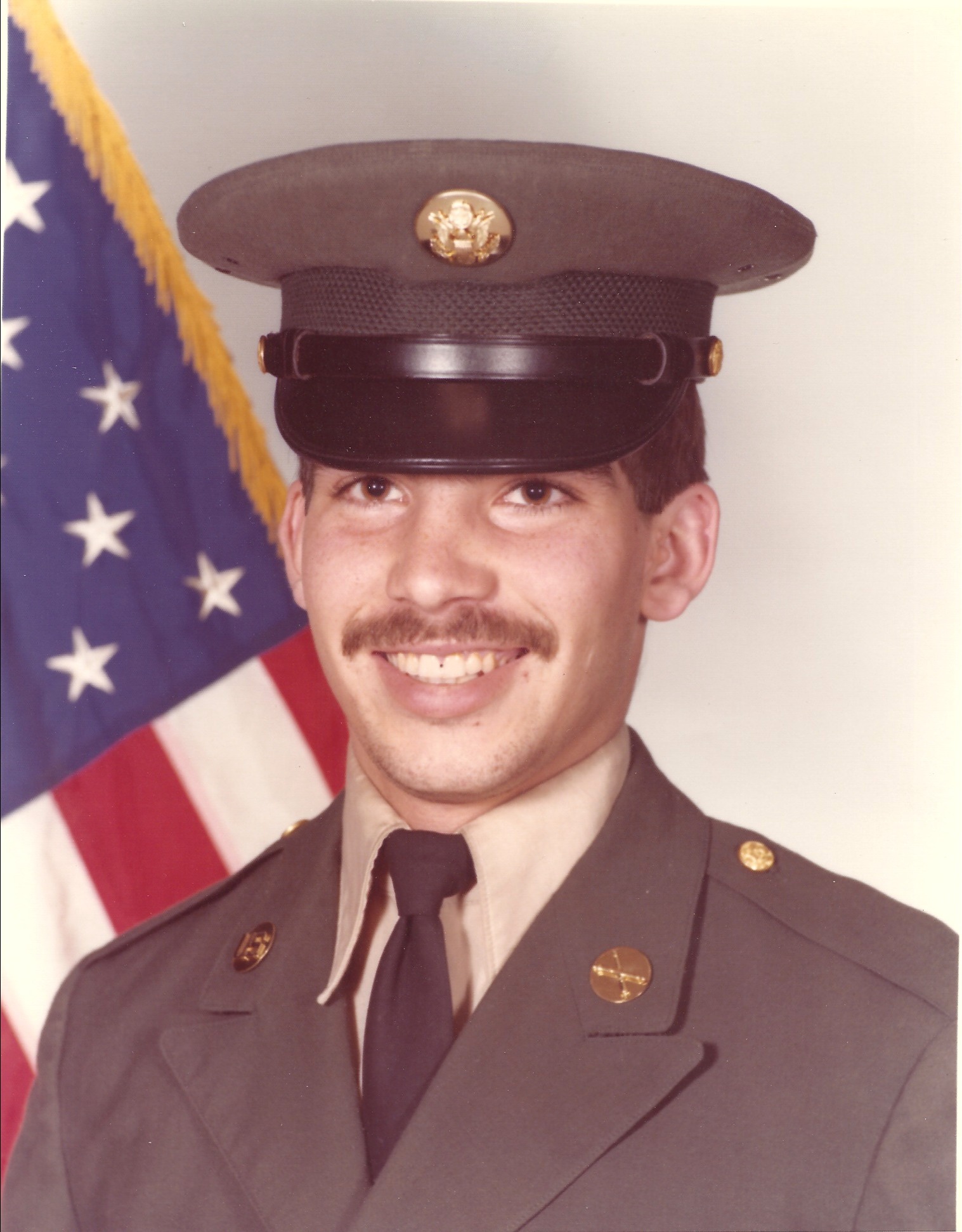
ARTILLERY • U.S. Army
U.S. Army
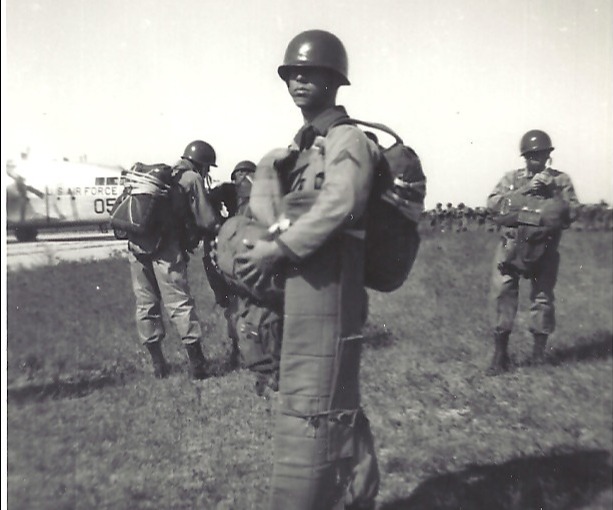
82nd Airborne • U.S. Army • 1954