Over 3,064,780 active members

U.S. Army•1 members
Relive and share the memories of your service-time with your brothers and sisters in arms today. VetFriends.com can help you reconnect.
Did you proudly serve in the QM in Kobe, Japan?
Are you looking for someone who is or was in the QM in Kobe, Japan?
Do you have QM in Kobe, Japan photos you'd like to share?
Then join a community with your brothers and sisters of the QM in Kobe, Japan.
Branch
U.S. Army
Members
1
The Quartermaster (QM) unit in Kobe, Japan, played a vital logistical role for the United States military, especially during the post-World War II occupation and the Korean War. Established as part of the Army's Far East Command, the Kobe QM Depot managed the receipt, storage, and distribution of supplies—including food, clothing, and equipment—to American and allied forces throughout the region. Its strategic location in Kobe, a major port city, enabled efficient support for operations across Japan and the Korean Peninsula. The unit’s efforts were crucial for sustaining military readiness and humanitarian missions until operations gradually scaled down as Japan regained sovereignty and the U.S. military presence consolidated elsewhere in Asia.
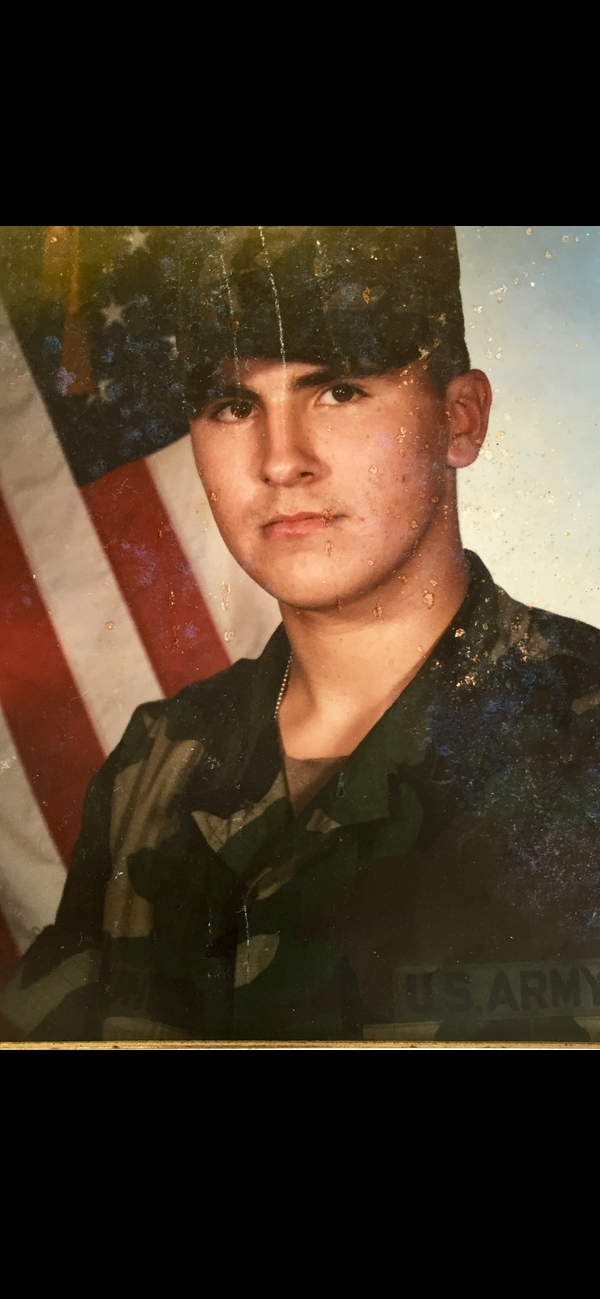
Company C 1st Bn. 38th Inf. Regt. • U.S. Army • 1989
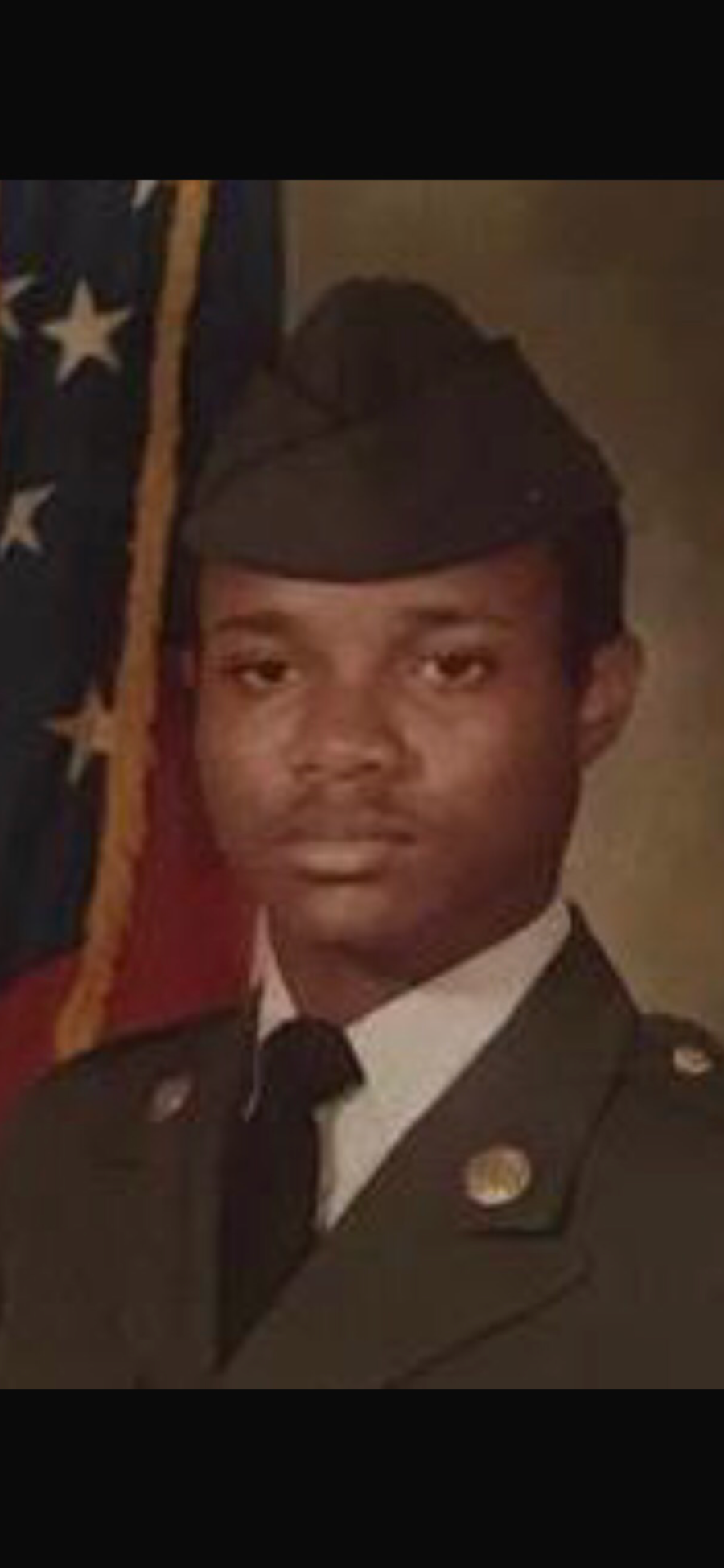
101st airborne division • U.S. Army
U.S. Army
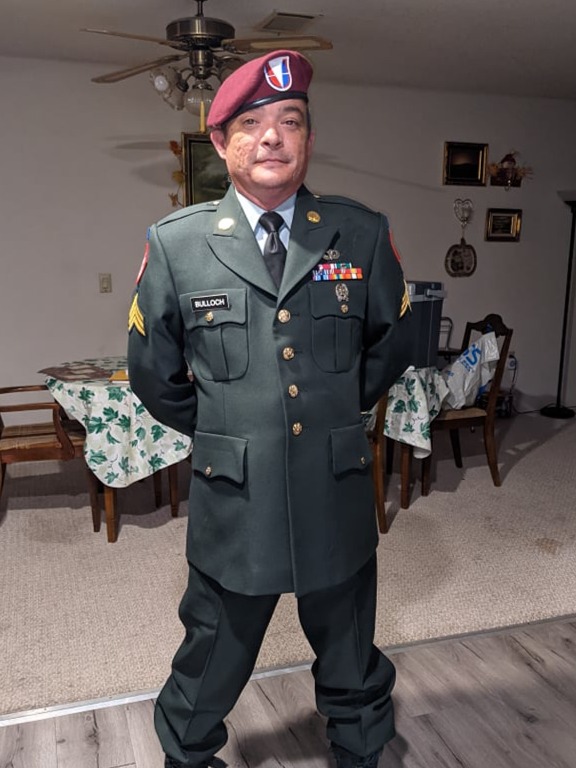
82nd Airborne • U.S. Army • 2018
