
Opening branch overview
Building the branch home surface
Loading branch highlights, featured unit context, and gallery moments.
Overview
Members
Units
Building the branch home surface
Loading branch highlights, featured unit context, and gallery moments.
Building the branch units surface
Loading unit filters, rankings, and the branch unit grid.

37 members•1 unit
Relive and share the memories of your service-time with your brothers and sisters in arms today. VetFriends.com can help you reconnect.
Did you proudly serve in the Presidio of Monterey?
Are you looking for someone who is or was in the Presidio of Monterey?
Do you have Presidio of Monterey photos you'd like to share?
Then join a community with your brothers and sisters of the Presidio of Monterey.
Branch
U.S. Army
Members
37
The Presidio of Monterey, located in Monterey, California, traces its origins to 1770, when it was established by Spanish colonial forces as El Presidio Real de San Carlos de Monterey to protect the nearby mission and secure Spain’s territorial claims. Following Mexican independence, the post was occupied by Mexican forces until it fell under U.S. control during the Mexican-American War in 1846. In the late 19th century, the United States Army reestablished a military presence at the site. Today, the Presidio of Monterey is best known as the home of the Defense Language Institute Foreign Language Center, serving as a critical center for military language training.
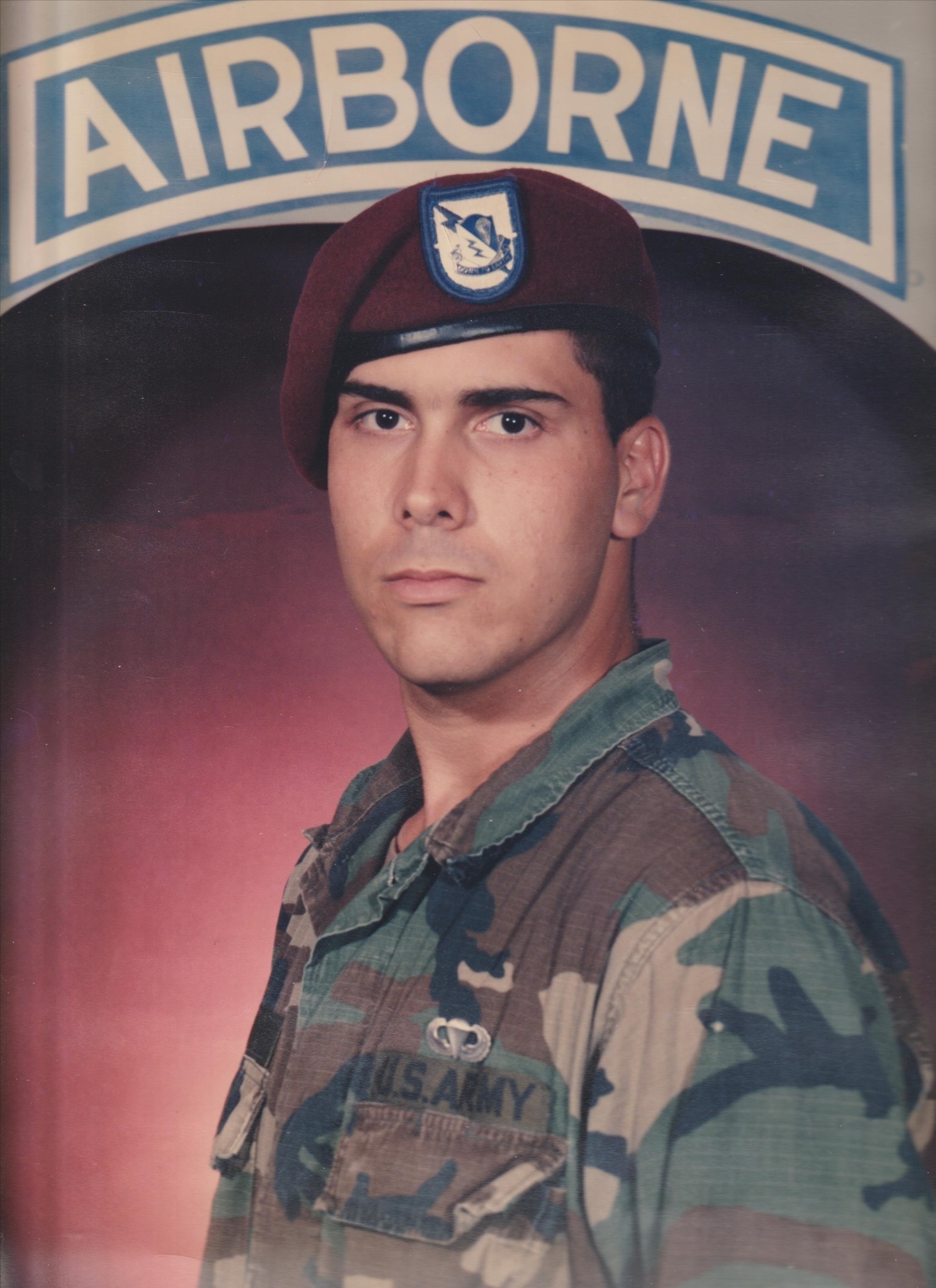
D Co., 502nd Airborne Battalion • U.S. Army • 1990
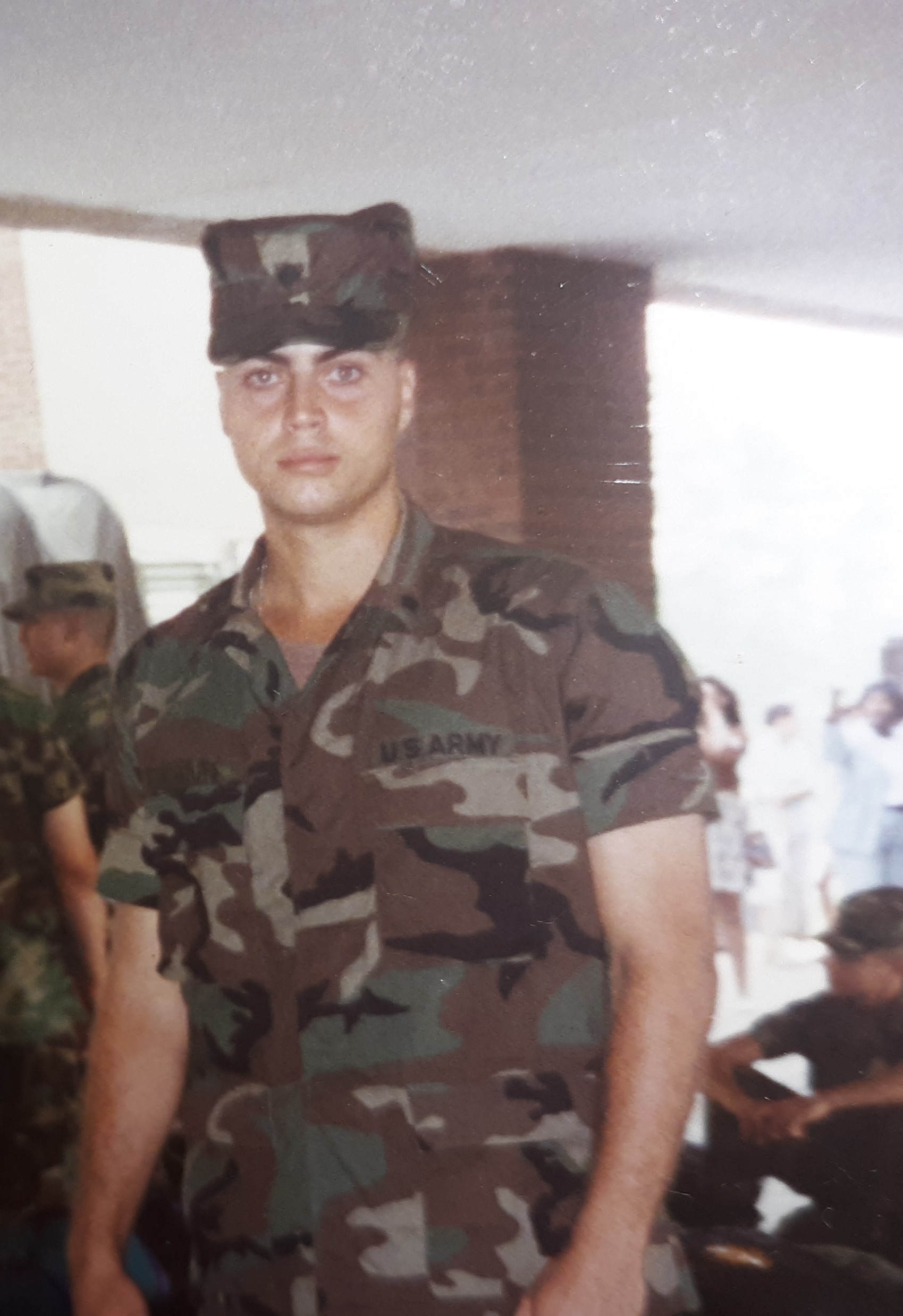
1st Infantry Division • U.S. Army • 1994

U.S. Army

C1 1 3rd Platoon Tank Hill • U.S. Army