
Opening branch overview
Building the branch home surface
Loading branch highlights, featured unit context, and gallery moments.
Overview
Members
Units
Building the branch home surface
Loading branch highlights, featured unit context, and gallery moments.
Building the branch units surface
Loading unit filters, rankings, and the branch unit grid.

6 members•1 unit
Relive and share the memories of your service-time with your brothers and sisters in arms today. VetFriends.com can help you reconnect.
Did you proudly serve in the Polar Research & Development?
Are you looking for someone who is or was in the Polar Research & Development?
Do you have Polar Research & Development photos you'd like to share?
Then join a community with your brothers and sisters of the Polar Research & Development.
Branch
U.S. Army
Members
6
**Polar Research & Development** is a specialized military unit established in the early 1980s to advance the armed forces’ capabilities in extreme cold weather operations. The unit initially focused on developing cold-weather gear, survival techniques, and mobility solutions for operations in the Arctic and Antarctic regions. Over time, it expanded its mission to include the testing of new technologies for navigation, communication, and logistics in polar environments. Today, Polar Research & Development plays a vital role in training personnel, supporting scientific expeditions, and ensuring military readiness in some of the world’s harshest climates.
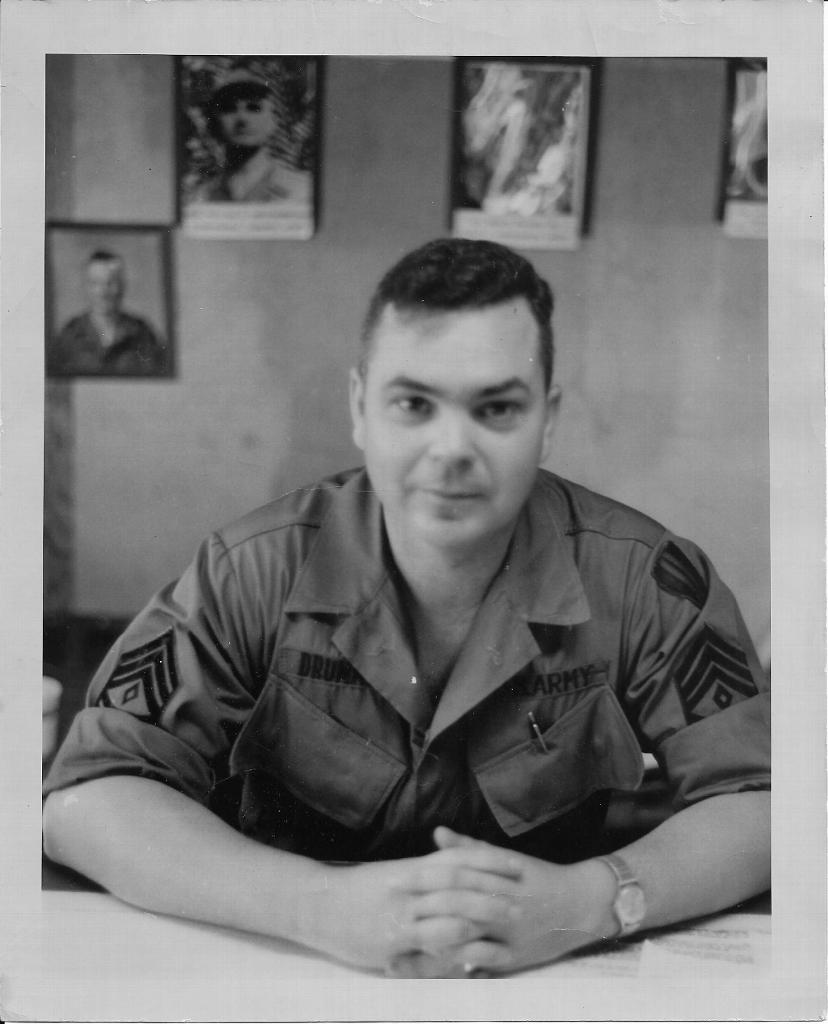
U.S. Army
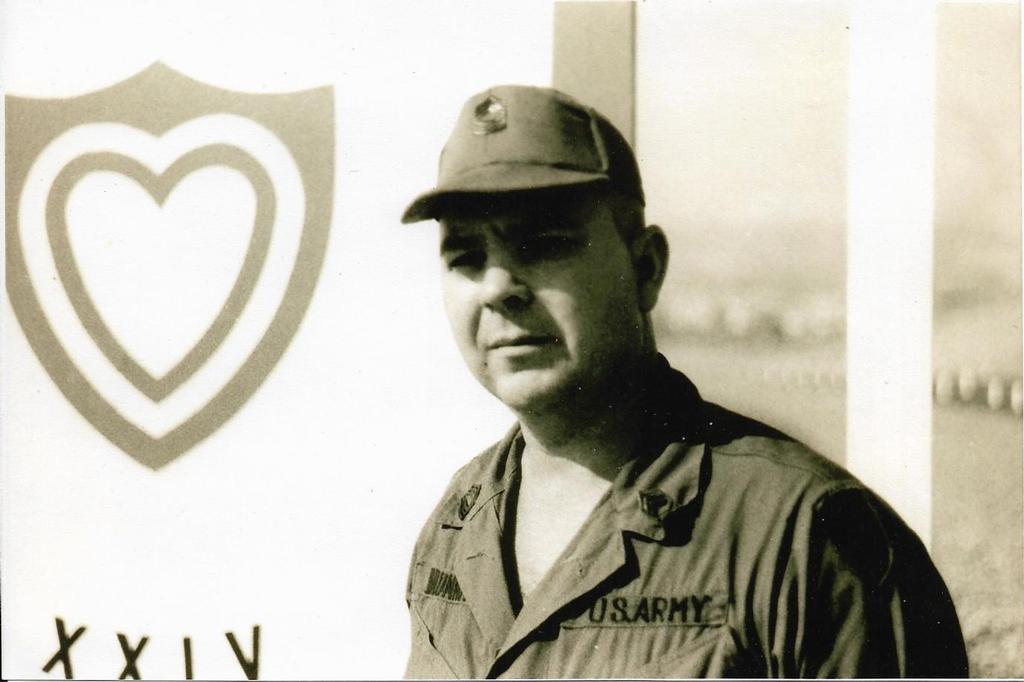
U.S. Army
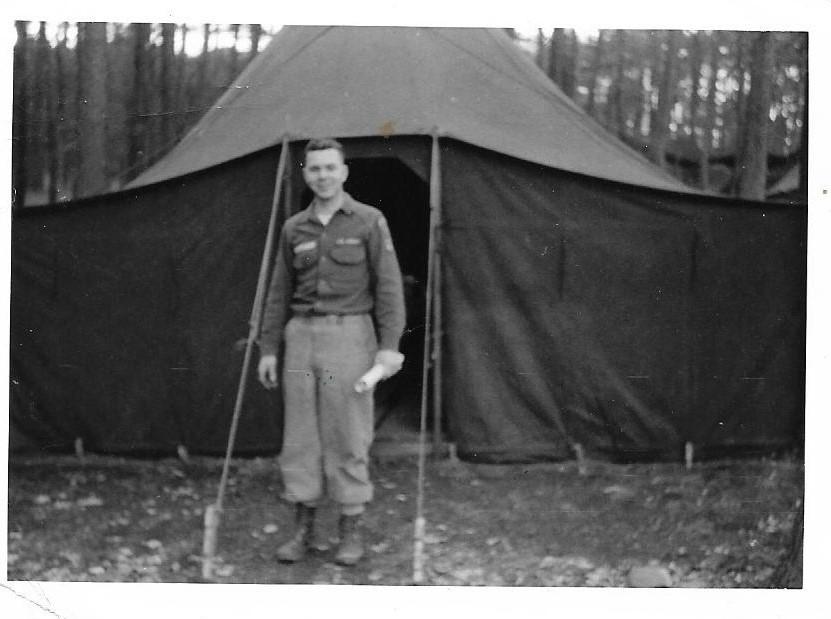
U.S. Army
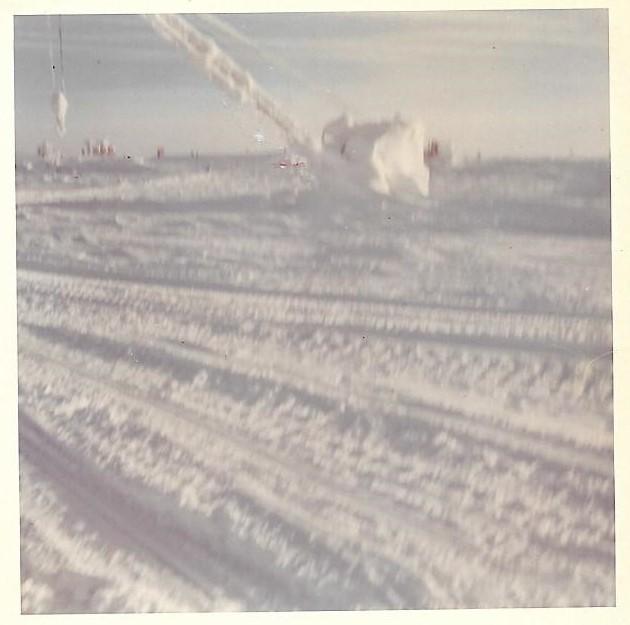
U.S. Army