
Opening branch overview
Building the branch home surface
Loading branch highlights, featured unit context, and gallery moments.
Overview
Members
Units
Building the branch home surface
Loading branch highlights, featured unit context, and gallery moments.
Building the branch units surface
Loading unit filters, rankings, and the branch unit grid.

1 members•1 unit
Relive and share the memories of your service-time with your brothers and sisters in arms today. VetFriends.com can help you reconnect.
Did you proudly serve in the Pine Bluff Arsenal?
Are you looking for someone who is or was in the Pine Bluff Arsenal?
Do you have Pine Bluff Arsenal photos you'd like to share?
Then join a community with your brothers and sisters of the Pine Bluff Arsenal.
Branch
U.S. Army
Members
1
Pine Bluff Arsenal, established in 1941 near Pine Bluff, Arkansas, was originally created as a chemical weapons manufacturing and storage facility during World War II. Over the decades, it played a significant role in the production, storage, and eventual destruction of various chemical munitions, including nerve and blister agents. The Arsenal diversified its mission throughout the Cold War and into the modern era, expanding into the production of smoke, riot control, and protective equipment for the U.S. military. Today, Pine Bluff Arsenal continues to serve as a critical site for chemical and biological defense, supporting national security through specialized manufacturing, storage, and demilitarization operations.
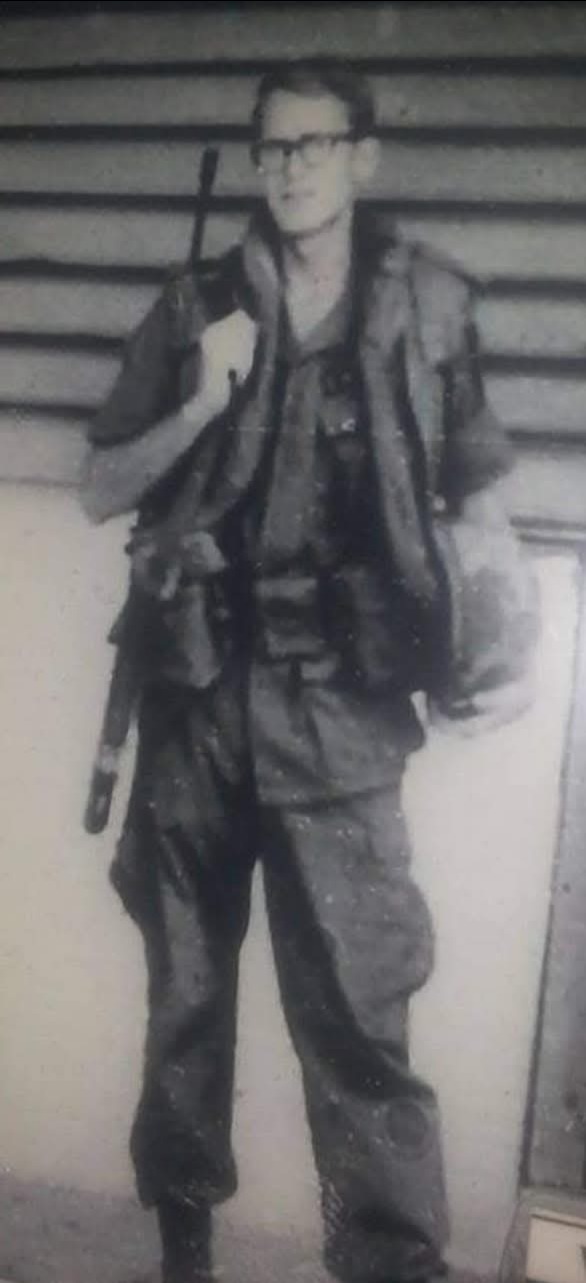
11TH COMBAT AVIATION BATTALION • U.S. Army • 1969
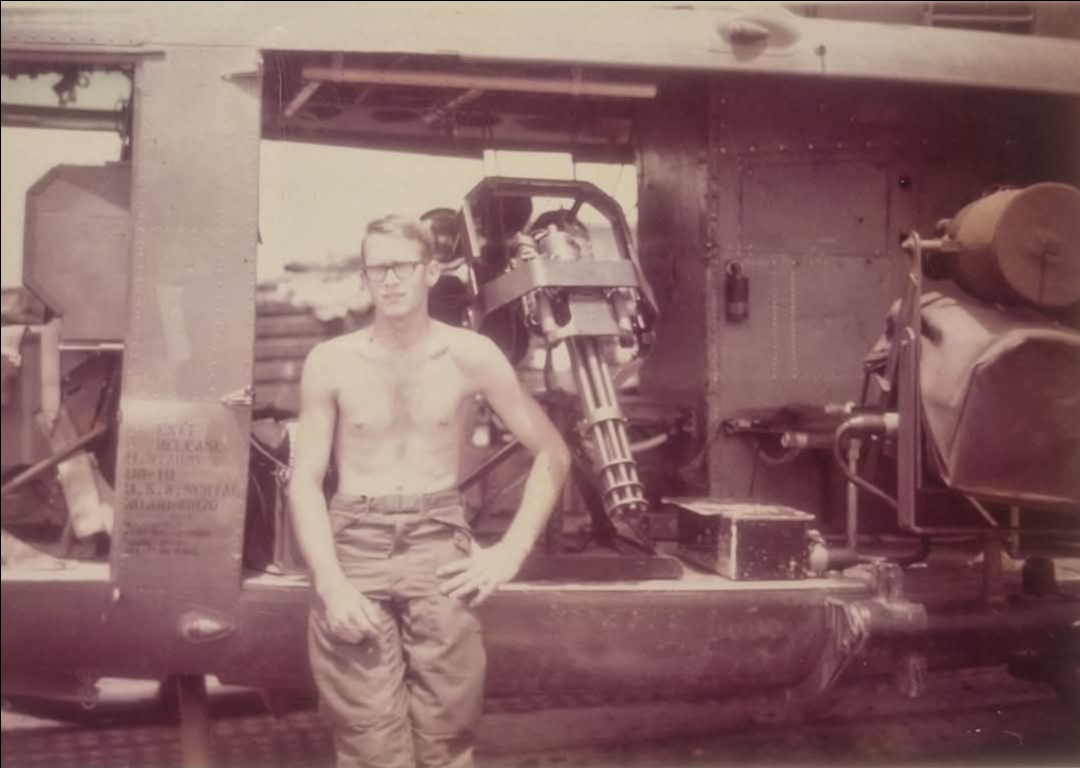
128th Assault Helicopter Co, 1st Av • U.S. Army • 1970

128th Assault Helicopter Co, 1st Av • U.S. Army • 1970

ARMY BASIC- FT. LEONARD WOOD, MO • U.S. Army • 1969