
Opening branch overview
Building the branch home surface
Loading branch highlights, featured unit context, and gallery moments.
Overview
Members
Units
Building the branch home surface
Loading branch highlights, featured unit context, and gallery moments.
Building the branch units surface
Loading unit filters, rankings, and the branch unit grid.

0 members•1 unit
Relive and share the memories of your service-time with your brothers and sisters in arms today. VetFriends.com can help you reconnect.
Did you proudly serve in the Philippine Army, Guerrilla Forces under USAFFE?
Are you looking for someone who is or was in the Philippine Army, Guerrilla Forces under USAFFE?
Do you have Philippine Army, Guerrilla Forces under USAFFE photos you'd like to share?
Then join a community with your brothers and sisters of the Philippine Army, Guerrilla Forces under USAFFE.
Branch
U.S. Army
Members
0
The Philippine Army, Guerrilla Forces under the United States Army Forces in the Far East (USAFFE), played a crucial role during World War II following the Japanese invasion of the Philippines in 1941-1942. After the fall of Bataan and Corregidor, many Filipino soldiers refused to surrender, dispersing into the mountains and jungles to form organized resistance movements. These guerrilla units conducted intelligence gathering, sabotage, and raids against Japanese forces, significantly hampering enemy operations and aiding Allied efforts. Their resilience and coordination with American forces paved the way for the successful liberation of the Philippines in 1944-1945.

21st CAV BDE AIR COMBAT • U.S. Army • 1999
312th MI BN • U.S. Army • 1994
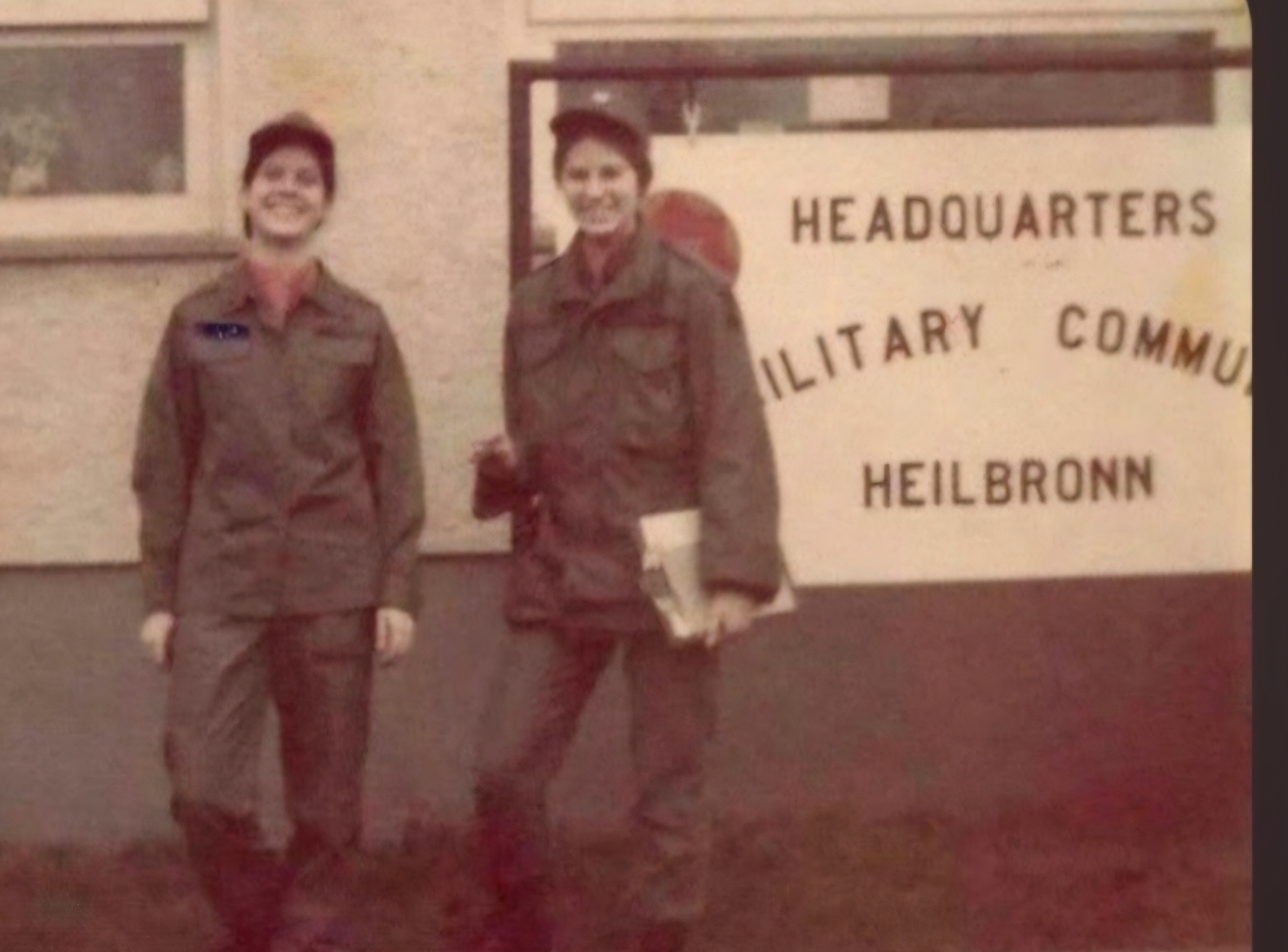
26th Signal Battalion • U.S. Army • 1973
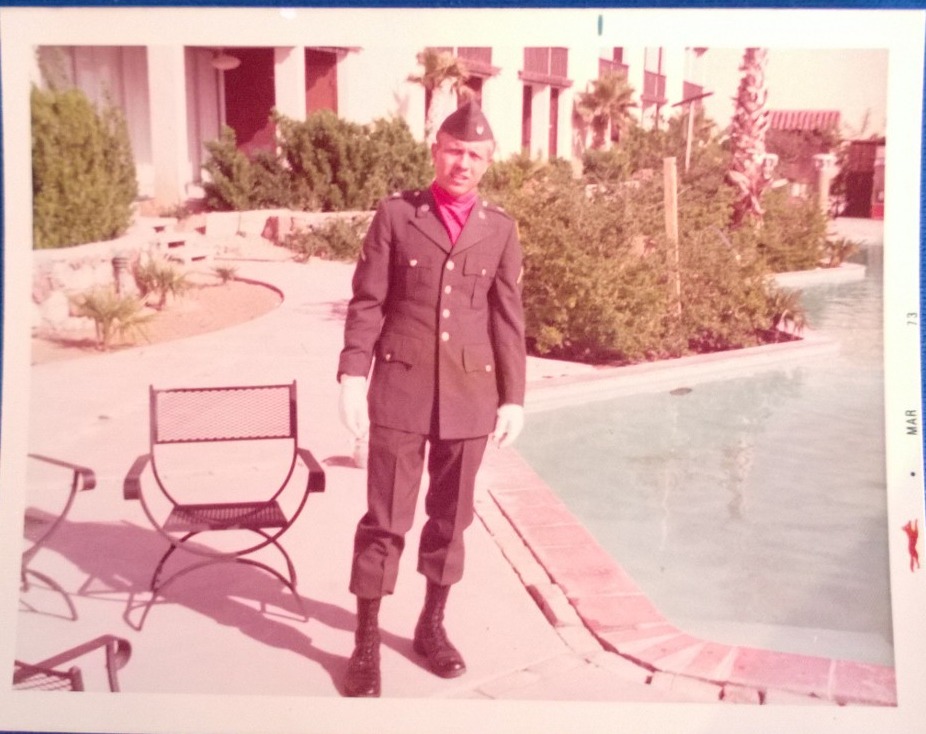
5-59 ADA Ft Bliss/Biggs Field • U.S. Army • 1972