
Opening branch overview
Building the branch home surface
Loading branch highlights, featured unit context, and gallery moments.
Overview
Members
Units
Building the branch home surface
Loading branch highlights, featured unit context, and gallery moments.
Building the branch units surface
Loading unit filters, rankings, and the branch unit grid.

5 members•1 unit
Relive and share the memories of your service-time with your brothers and sisters in arms today. VetFriends.com can help you reconnect.
Did you proudly serve in the Personal Management?
Are you looking for someone who is or was in the Personal Management?
Do you have Personal Management photos you'd like to share?
Then join a community with your brothers and sisters of the Personal Management.
Branch
U.S. Army
Members
5
**Personal Management** is a vital military unit responsible for the administration and welfare of personnel within the armed forces. Its origins trace back to the early 20th century, when the increasing complexity of modern armies required dedicated offices to handle recruitment, assignments, records, and promotions. During major conflicts such as World War II, Personal Management units played a crucial role in mobilizing and maintaining large forces, ensuring the right soldiers were placed in appropriate roles and that their needs were met. Over time, the unit's functions expanded to include career development, family support programs, and integration of new technologies for personnel tracking and management. Today, Personal Management remains essential for maintaining the operational effectiveness and morale of military organizations worldwide.
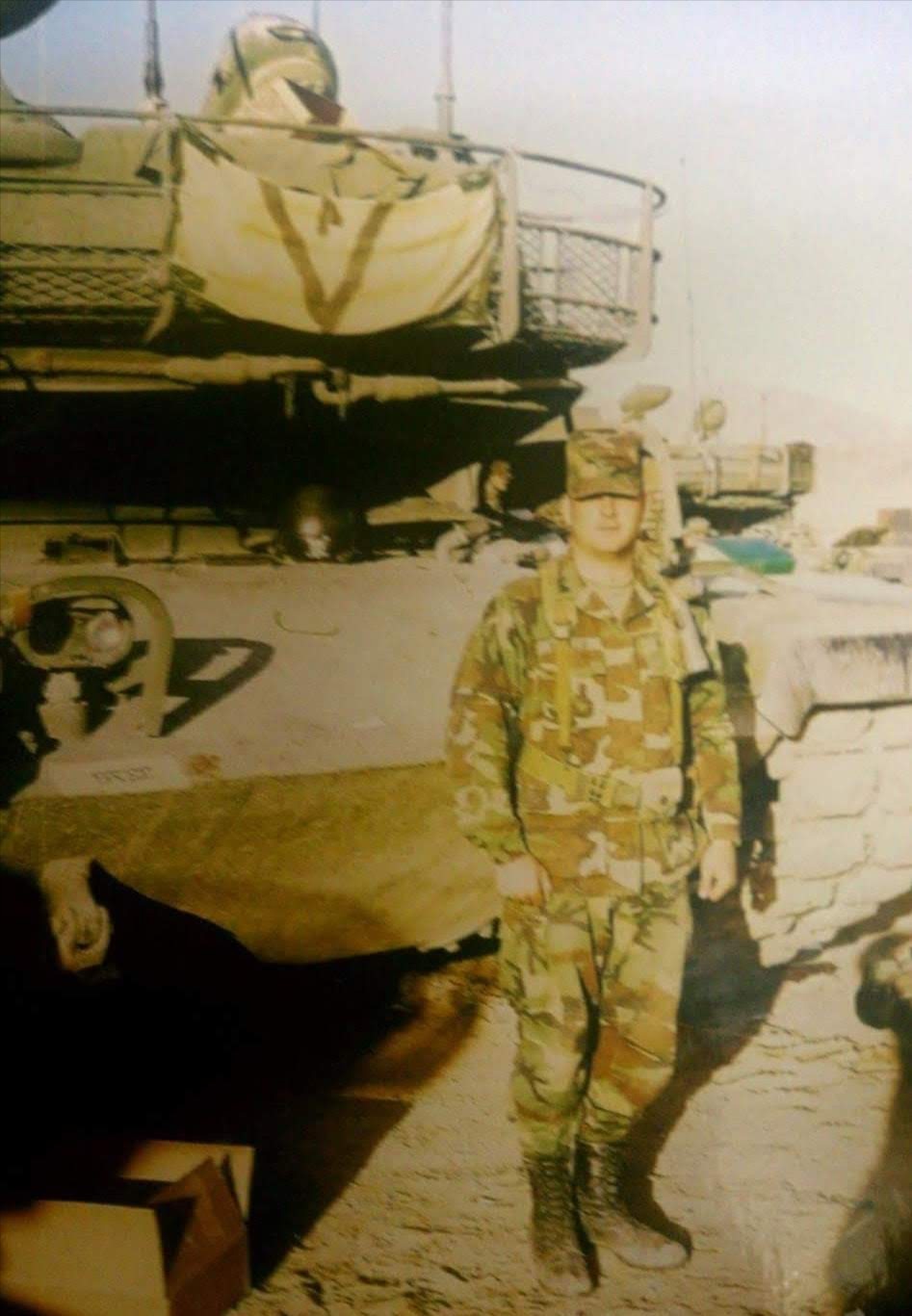
185TH ARMOR • U.S. Army • 1990
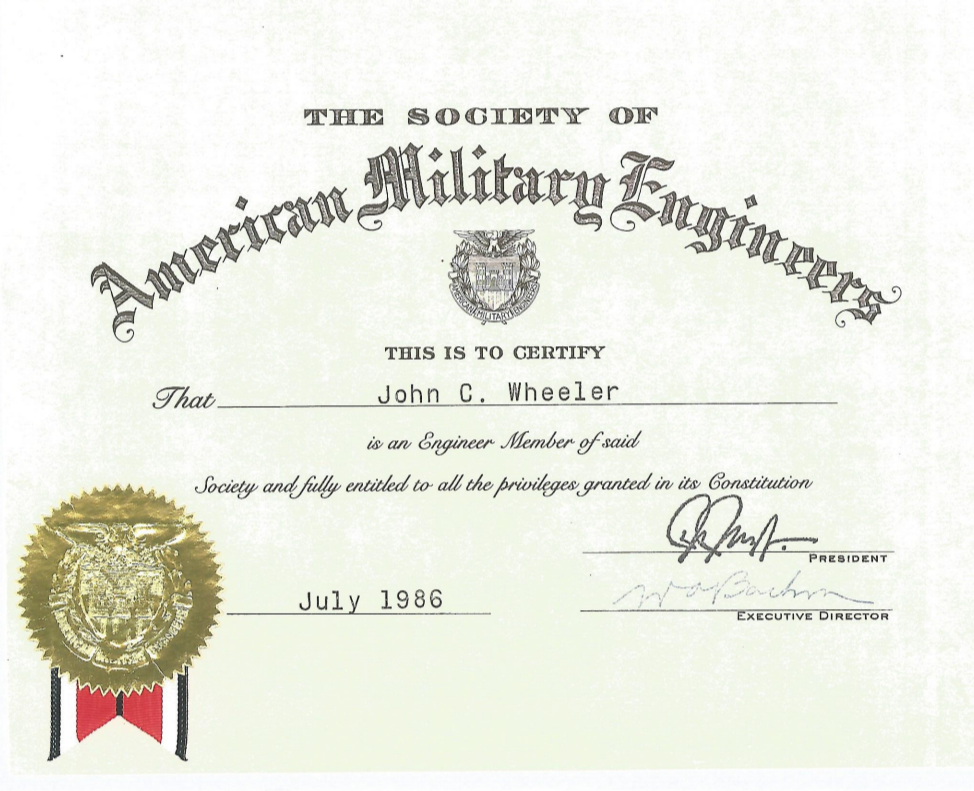
U.S. Army • 1986
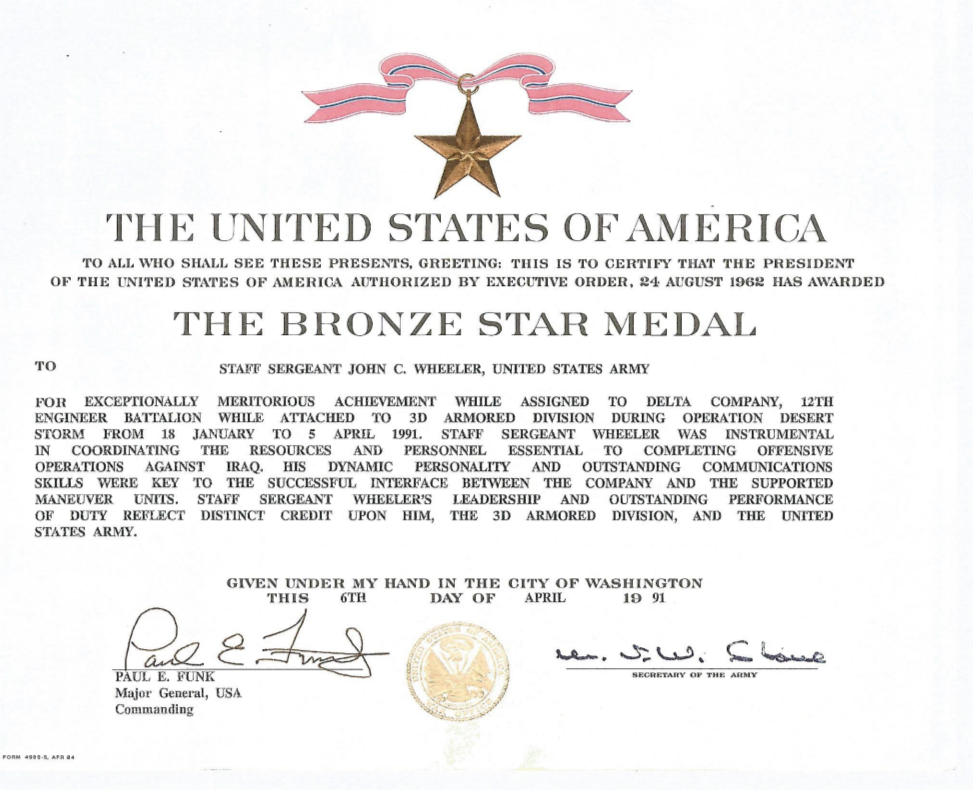
12th Engineer Battalion • U.S. Army • 1991

12th Transportation Co • U.S. Army • 1964