
Opening branch overview
Building the branch home surface
Loading branch highlights, featured unit context, and gallery moments.
Overview
Members
Units
Building the branch home surface
Loading branch highlights, featured unit context, and gallery moments.
Building the branch units surface
Loading unit filters, rankings, and the branch unit grid.

37 members•1 unit
Relive and share the memories of your service-time with your brothers and sisters in arms today. VetFriends.com can help you reconnect.
Did you proudly serve in the Overseas Replacement Station Fort Lewis WA?
Are you looking for someone who is or was in the Overseas Replacement Station Fort Lewis WA?
Do you have Overseas Replacement Station Fort Lewis WA photos you'd like to share?
Then join a community with your brothers and sisters of the Overseas Replacement Station Fort Lewis WA.
Branch
U.S. Army
Members
37
The Overseas Replacement Station at Fort Lewis, Washington, played a critical role during World War II as a primary staging and processing center for U.S. Army personnel destined for overseas deployment, particularly to the Pacific Theater. Established in 1942, the station efficiently managed the intake, training, equipping, and movement of thousands of soldiers, ensuring units were ready for combat operations abroad. Its strategic location on the West Coast allowed for rapid movement of troops and materials to embarkation points. After the war, the replacement station's functions were gradually phased out as the need for large-scale overseas deployment diminished.
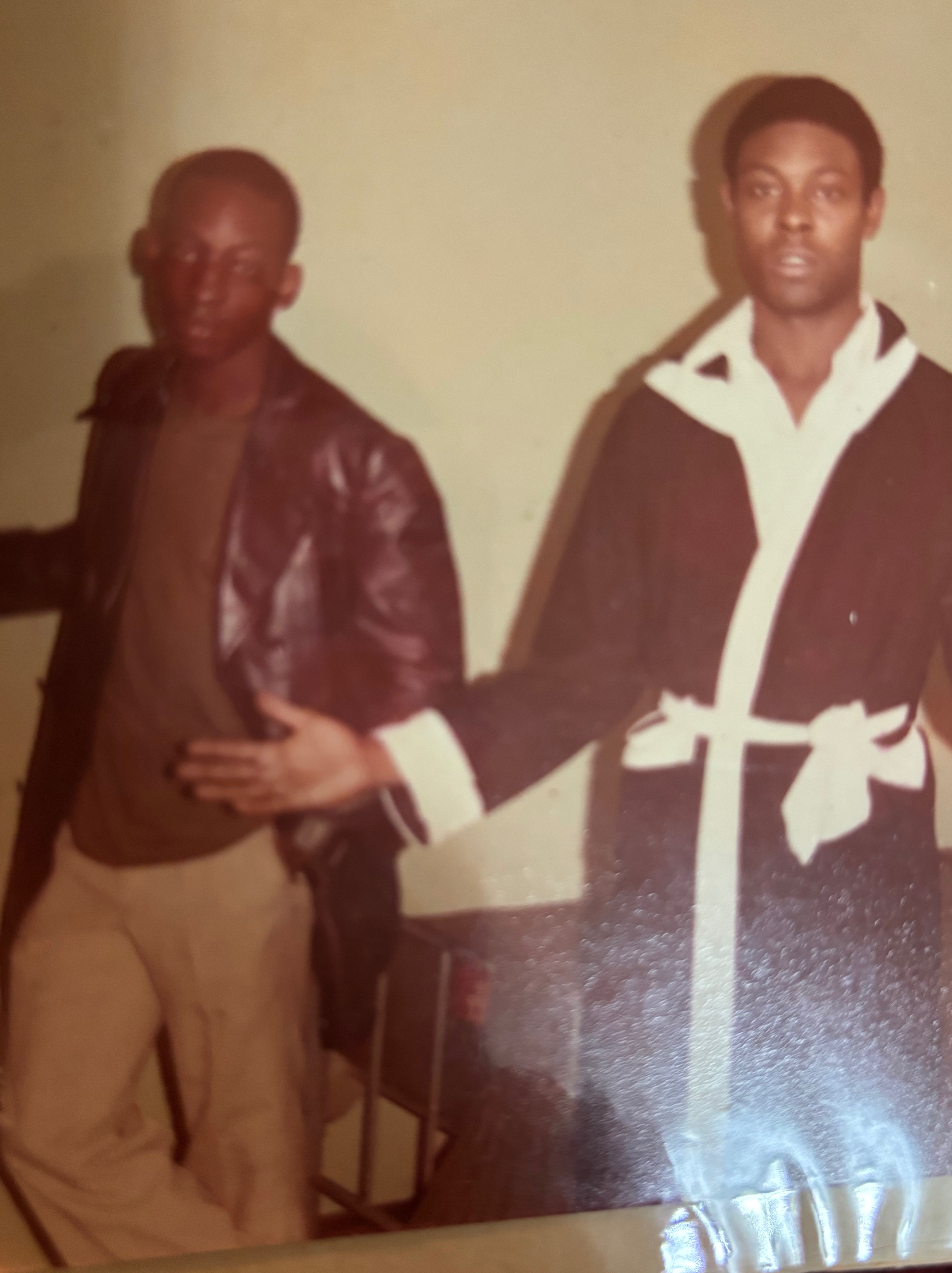
U.S. Army • 1981
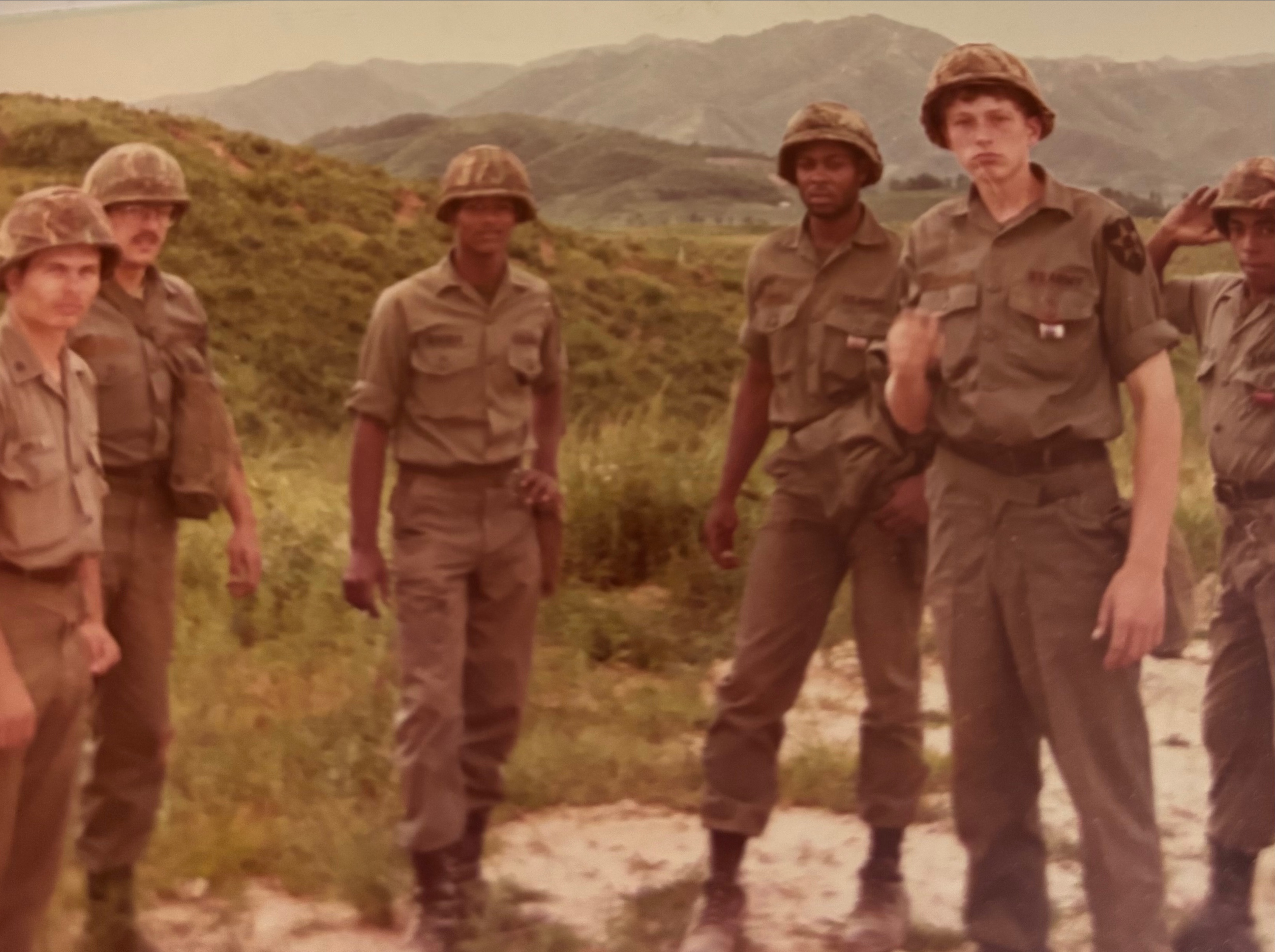
U.S. Army • 1980
C/84th • U.S. Army
U.S. Army