
Opening branch overview
Building the branch home surface
Loading branch highlights, featured unit context, and gallery moments.
Overview
Members
Units
Building the branch home surface
Loading branch highlights, featured unit context, and gallery moments.
Building the branch units surface
Loading unit filters, rankings, and the branch unit grid.

37 members•1 unit
Relive and share the memories of your service-time with your brothers and sisters in arms today. VetFriends.com can help you reconnect.
Did you proudly serve in the Office of Strategic Services?
Are you looking for someone who is or was in the Office of Strategic Services?
Do you have Office of Strategic Services photos you'd like to share?
Then join a community with your brothers and sisters of the Office of Strategic Services.
Branch
U.S. Army
Members
37
The Office of Strategic Services (OSS) was established in June 1942 during World War II as the United States’ first centralized intelligence agency. Under the leadership of Major General William J. Donovan, the OSS was responsible for gathering intelligence, conducting espionage, sabotage, and supporting resistance movements behind enemy lines in Europe and Asia. The organization played a crucial role in coordinating Allied intelligence efforts, pioneering methods that would shape future American intelligence operations. After the war, the OSS was disbanded in 1945, but its legacy continued with the formation of the Central Intelligence Agency (CIA) in 1947.
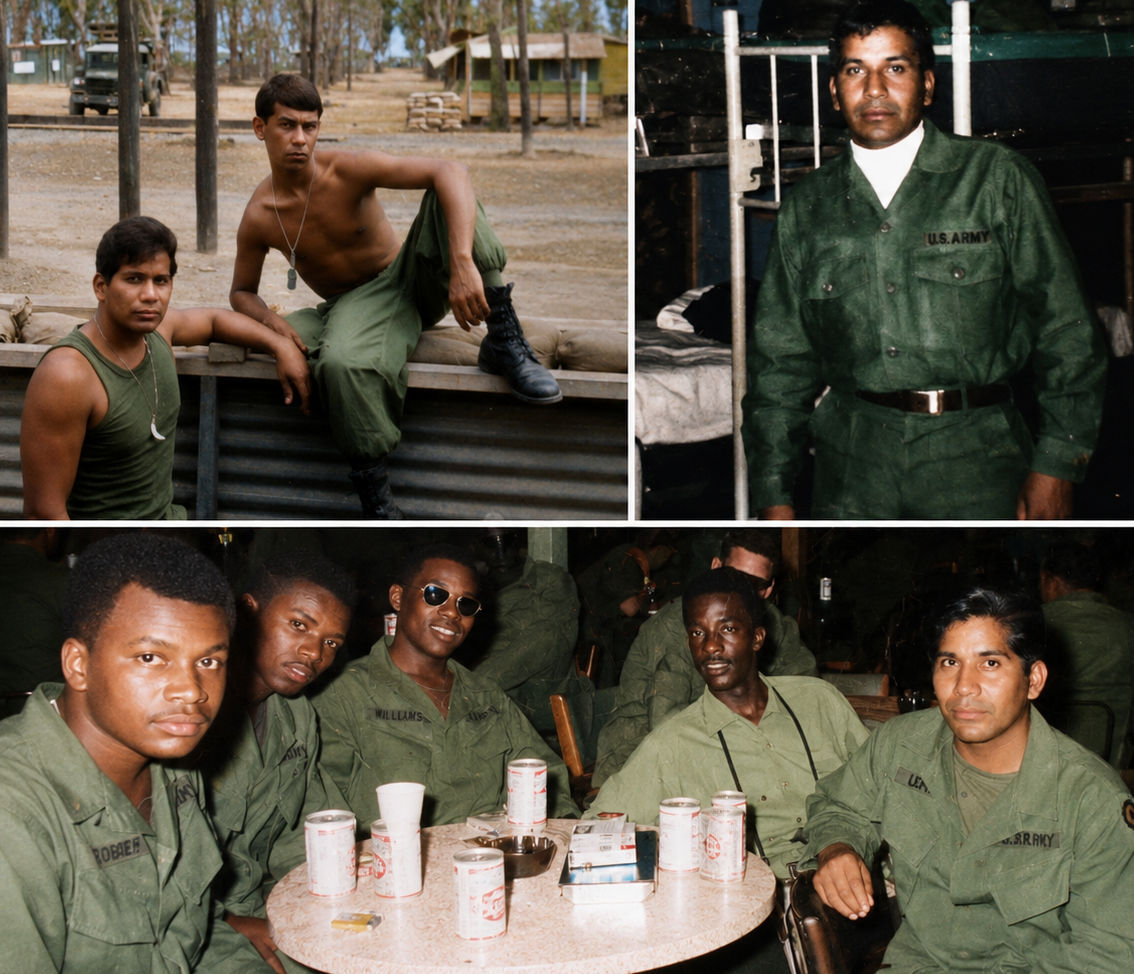
U.S. Army
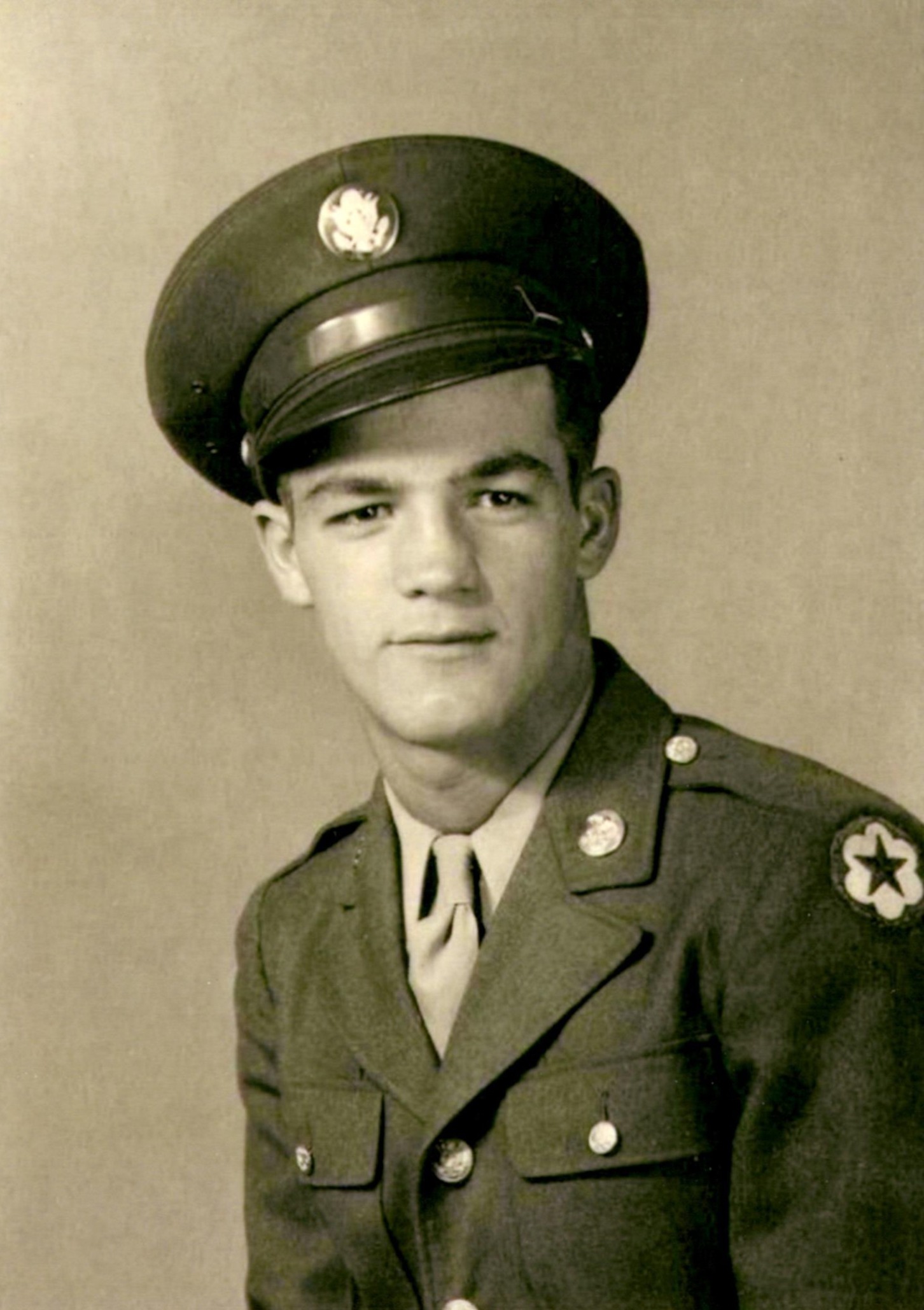
CBI • U.S. Army
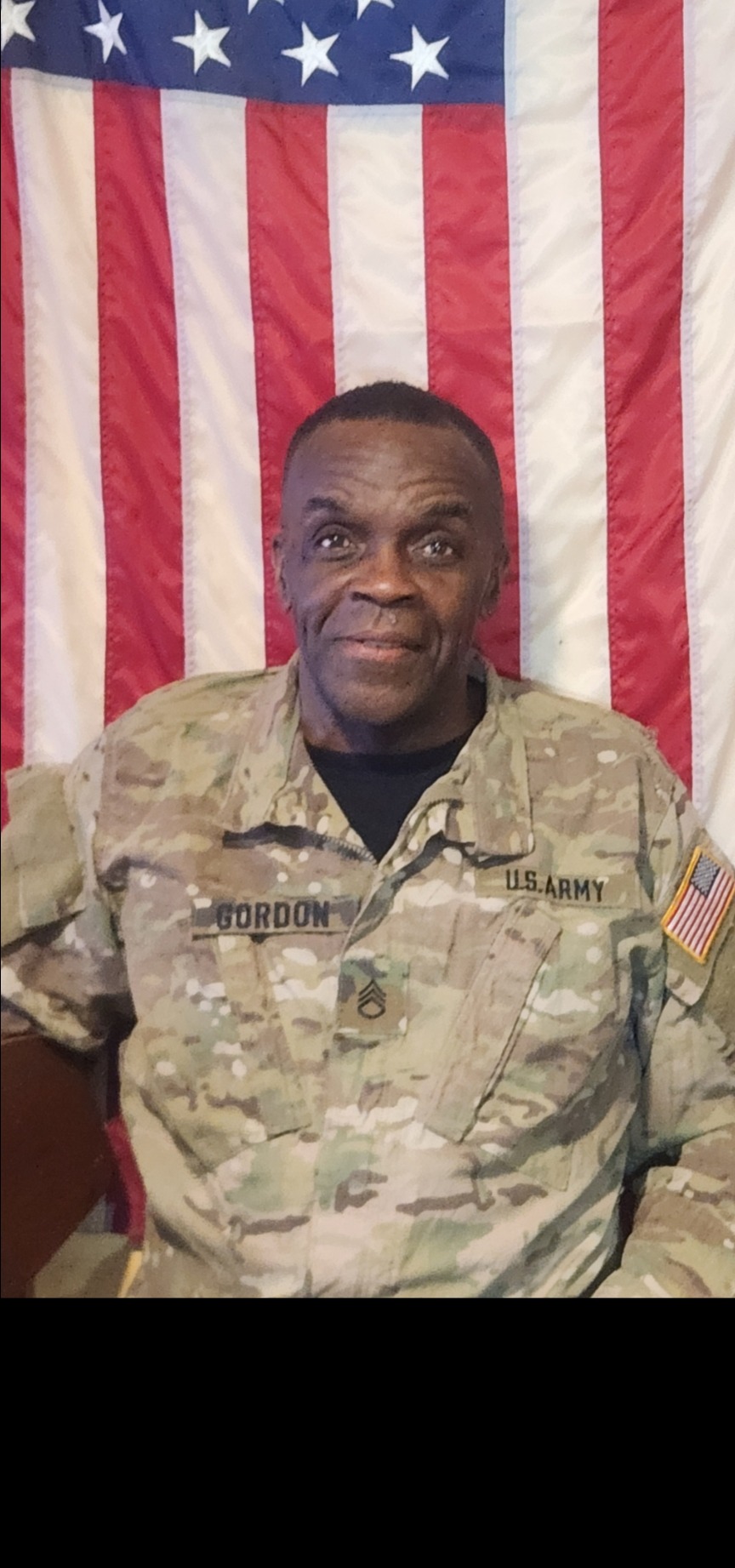
3 Infantry Signal • U.S. Army • 1980
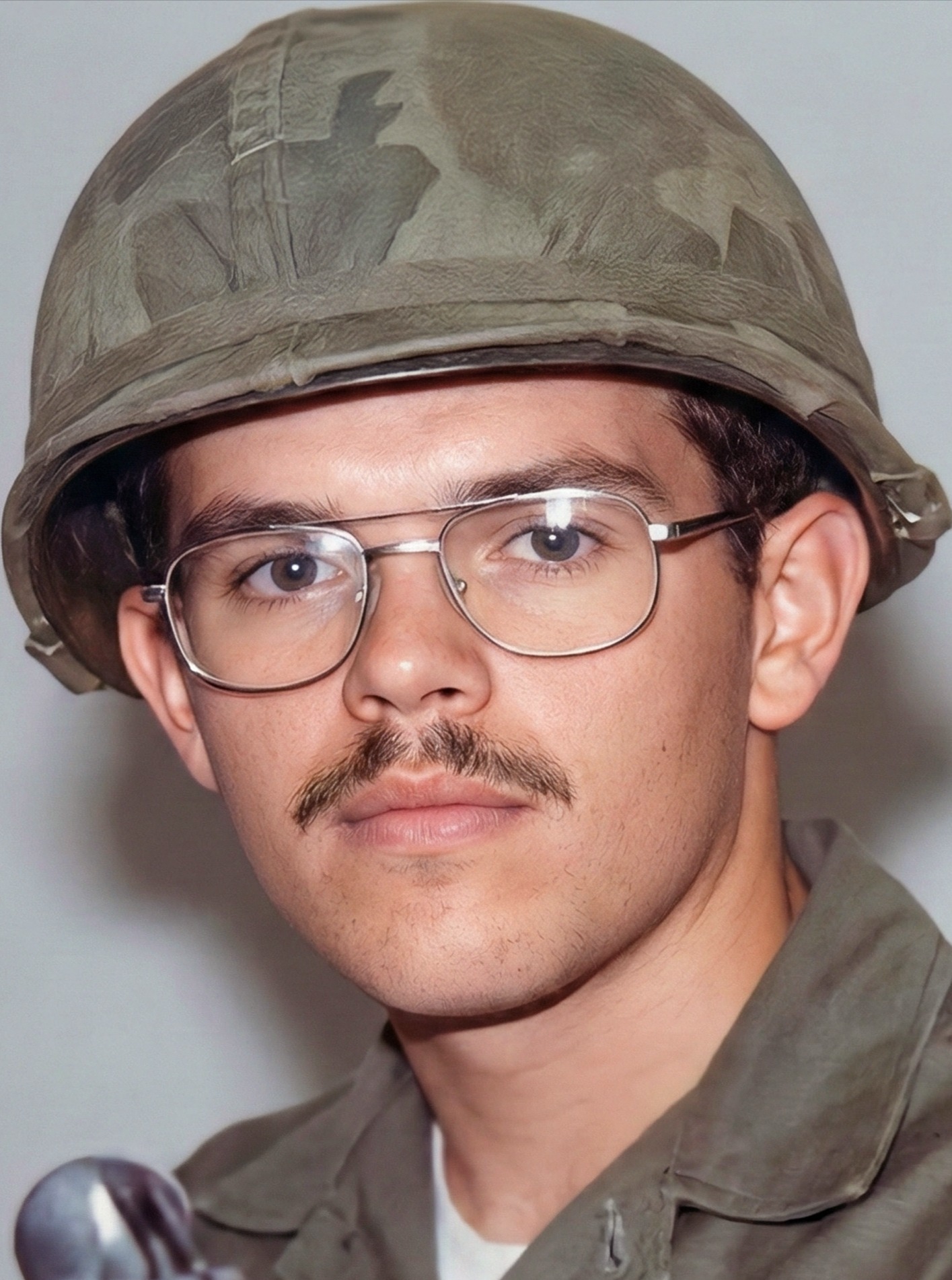
13th Engineer Battalion • U.S. Army • 1975