
Opening branch overview
Building the branch home surface
Loading branch highlights, featured unit context, and gallery moments.
Overview
Members
Units
Building the branch home surface
Loading branch highlights, featured unit context, and gallery moments.
Building the branch units surface
Loading unit filters, rankings, and the branch unit grid.

10 members•1 unit
Relive and share the memories of your service-time with your brothers and sisters in arms today. VetFriends.com can help you reconnect.
Did you proudly serve in the NSADANANG Camp Tien Sha?
Are you looking for someone who is or was in the NSADANANG Camp Tien Sha?
Do you have NSADANANG Camp Tien Sha photos you'd like to share?
Then join a community with your brothers and sisters of the NSADANANG Camp Tien Sha.
Branch
U.S. Army
Members
10
NSADANANG Camp Tien Sha was a vital U.S. Navy logistics and support base located near Da Nang, Vietnam, during the Vietnam War. Established in the early 1960s, the Naval Support Activity Da Nang (NSADANANG) at Camp Tien Sha provided essential supply, maintenance, and administrative services to naval and Marine Corps forces operating in the I Corps Tactical Zone. The camp facilitated the rapid offloading and distribution of ammunition, fuel, and provisions, supporting major combat operations in the region. NSADANANG Camp Tien Sha remained operational until the U.S. drawdown in the early 1970s, after which the facility was handed over to South Vietnamese control.
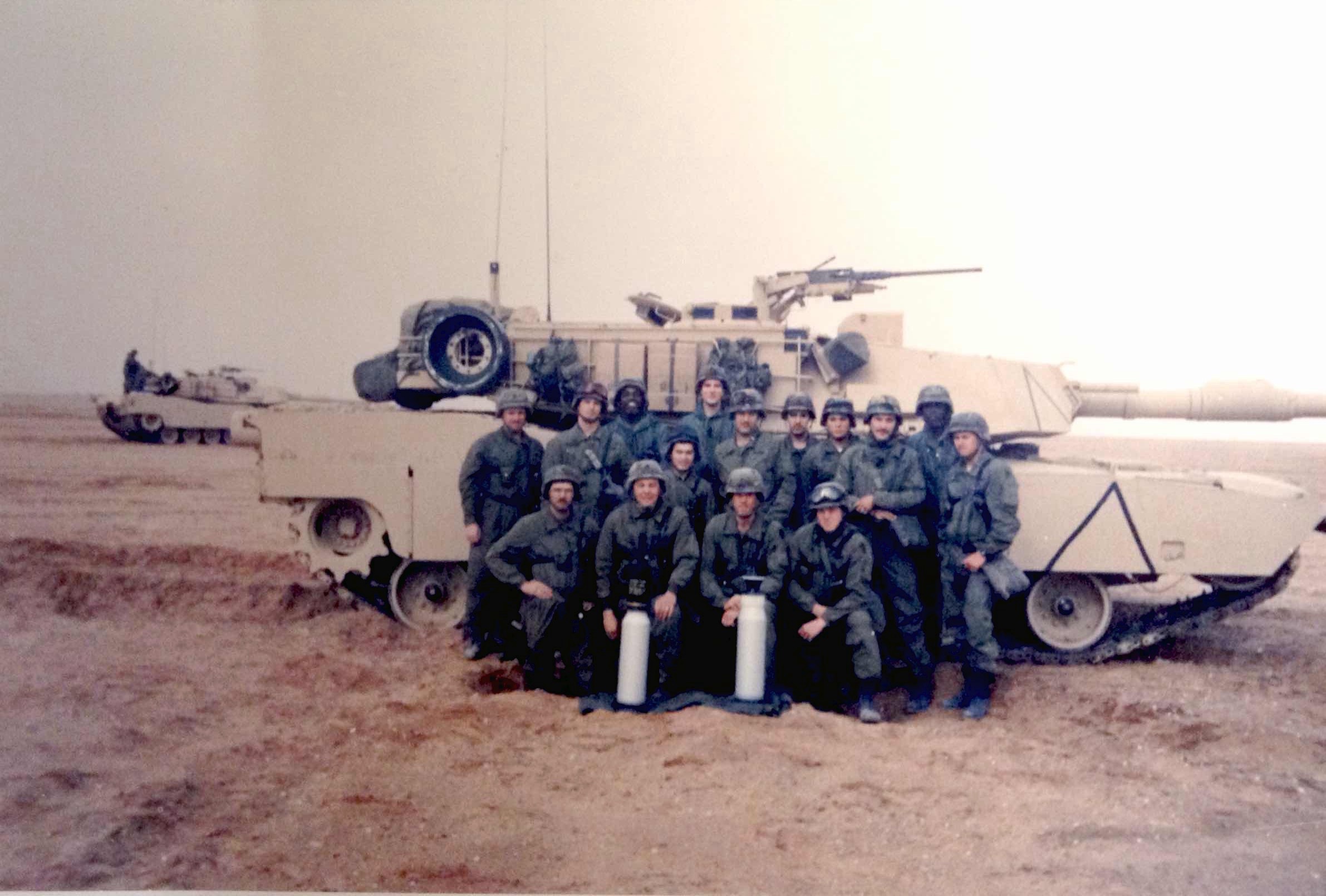
U.S. Army

MEDICAL • U.S. Army • 1991

U.S. Army
U.S. Army