
Opening branch overview
Building the branch home surface
Loading branch highlights, featured unit context, and gallery moments.
Overview
Members
Units
Building the branch home surface
Loading branch highlights, featured unit context, and gallery moments.
Building the branch units surface
Loading unit filters, rankings, and the branch unit grid.

2 members•1 unit
Relive and share the memories of your service-time with your brothers and sisters in arms today. VetFriends.com can help you reconnect.
Did you proudly serve in the NSA Korea SOP?
Are you looking for someone who is or was in the NSA Korea SOP?
Do you have NSA Korea SOP photos you'd like to share?
Then join a community with your brothers and sisters of the NSA Korea SOP.
Branch
U.S. Army
Members
2
**NSA Korea Special Operations Platoon (SOP) - Unit History** Established in the early 1980s, the NSA Korea Special Operations Platoon (SOP) was formed to provide specialized signals intelligence and security support for U.S. and allied operations on the Korean Peninsula. The unit’s primary mission has been to conduct sensitive communications monitoring, cyber defense, and rapid-response intelligence tasks in support of U.S. Forces Korea and the broader NSA mission. Over the decades, SOP personnel have played critical roles during heightened tensions, major joint exercises, and real-world contingencies, ensuring secure and reliable information flow. The unit’s expertise in advanced technology and cryptography has made it a vital asset in maintaining regional stability and deterring adversary actions.
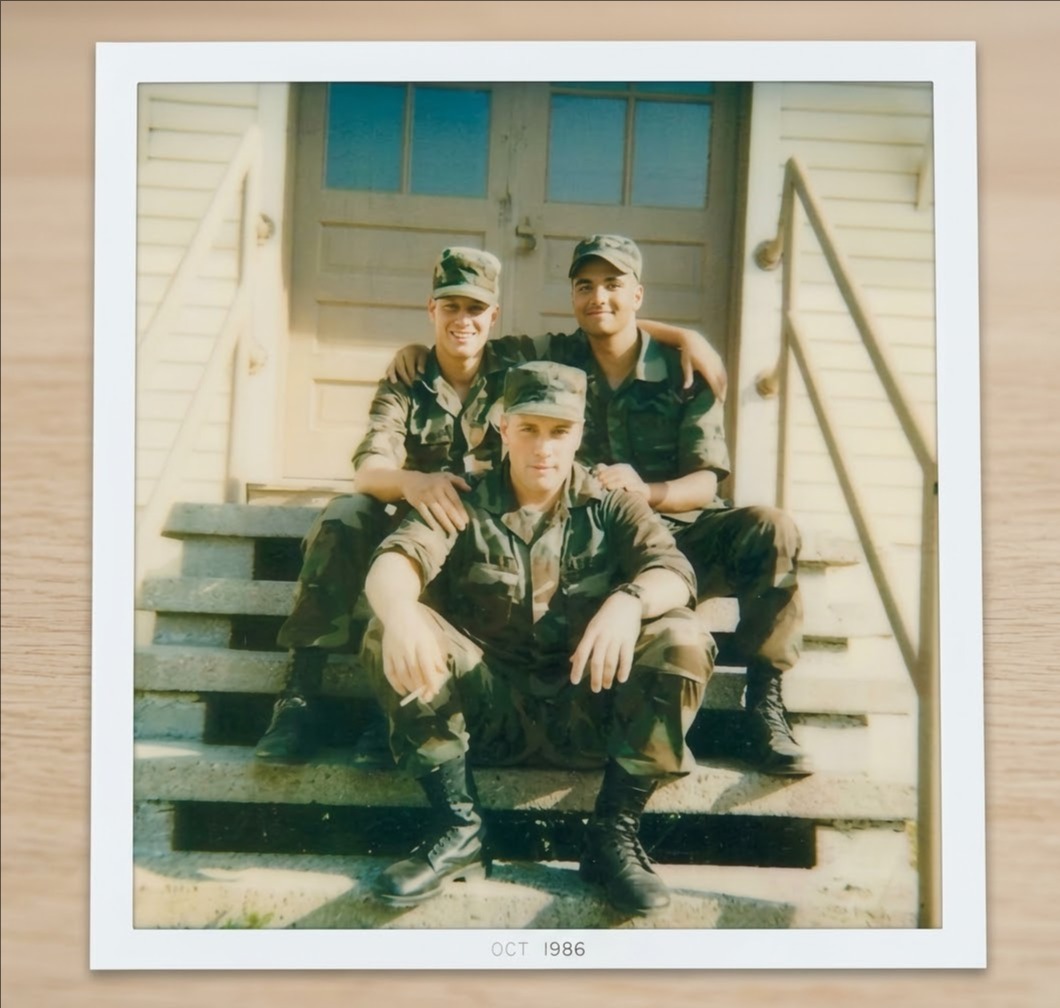
3rd Armored Division • U.S. Army • 1984

U.S. Army

USAE AFCENT • U.S. Army • 1971
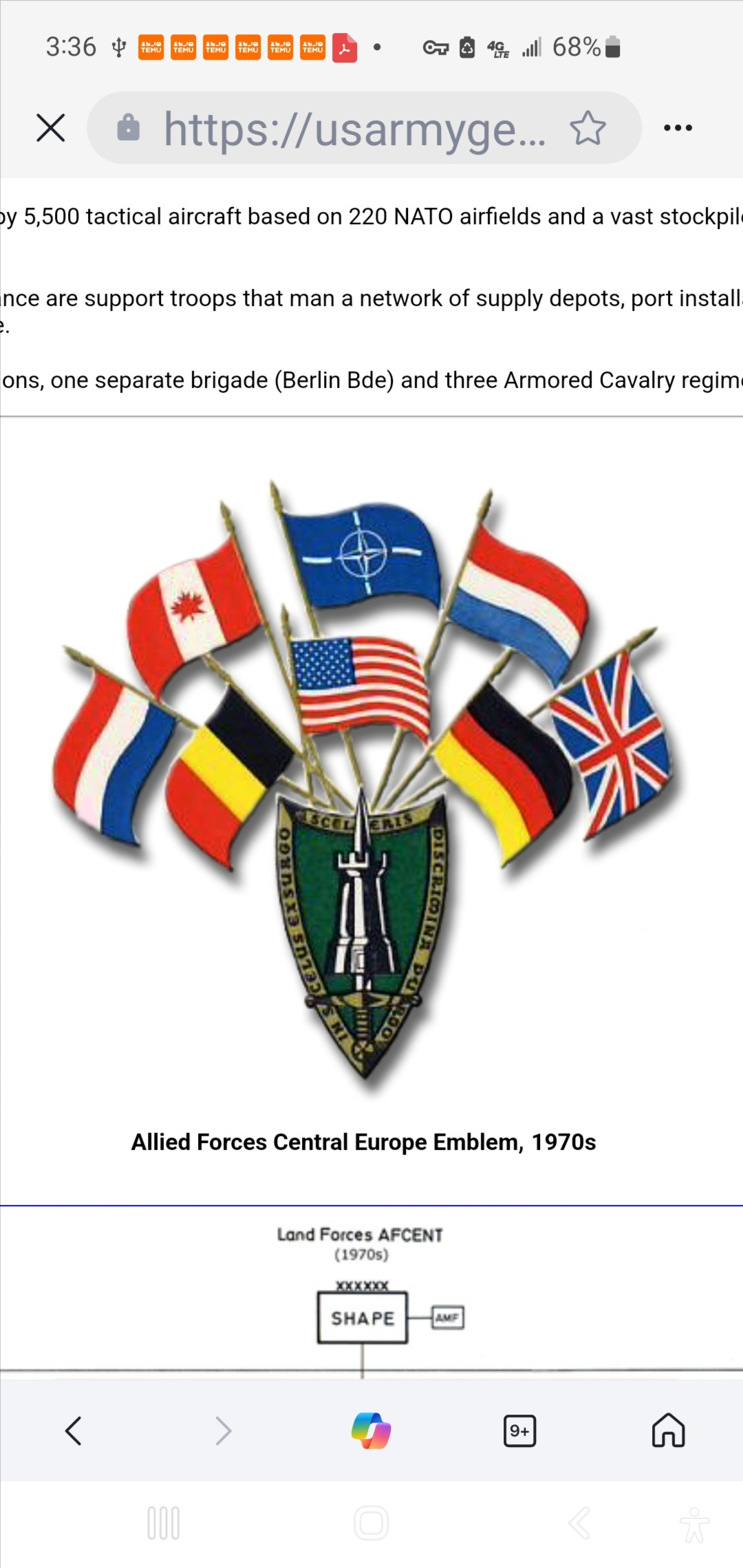
USAE AFCENT • U.S. Army • 1969