Over 3,064,780 active members

U.S. Army•1 members
Relive and share the memories of your service-time with your brothers and sisters in arms today. VetFriends.com can help you reconnect.
Did you proudly serve in the MTMTS (MT-1113) Charleston Outport?
Are you looking for someone who is or was in the MTMTS (MT-1113) Charleston Outport?
Do you have MTMTS (MT-1113) Charleston Outport photos you'd like to share?
Then join a community with your brothers and sisters of the MTMTS (MT-1113) Charleston Outport.
Branch
U.S. Army
Members
1
The Military Traffic Management and Terminal Service (MTMTS) unit MT-1113, located at Charleston Outport, played a crucial logistical role during the Cold War and into the late 20th century. Established to support the efficient movement of military cargo, MT-1113 managed the coordination, loading, and unloading of supplies at the strategically important Port of Charleston, South Carolina. The unit ensured vital materials and equipment reached U.S. and allied forces worldwide, especially during major military operations and exercises. MT-1113's efforts contributed significantly to the overall readiness and mobility of the U.S. military until its functions were absorbed by successor organizations following the reorganization into the Military Sealift Command and the U.S. Transportation Command.
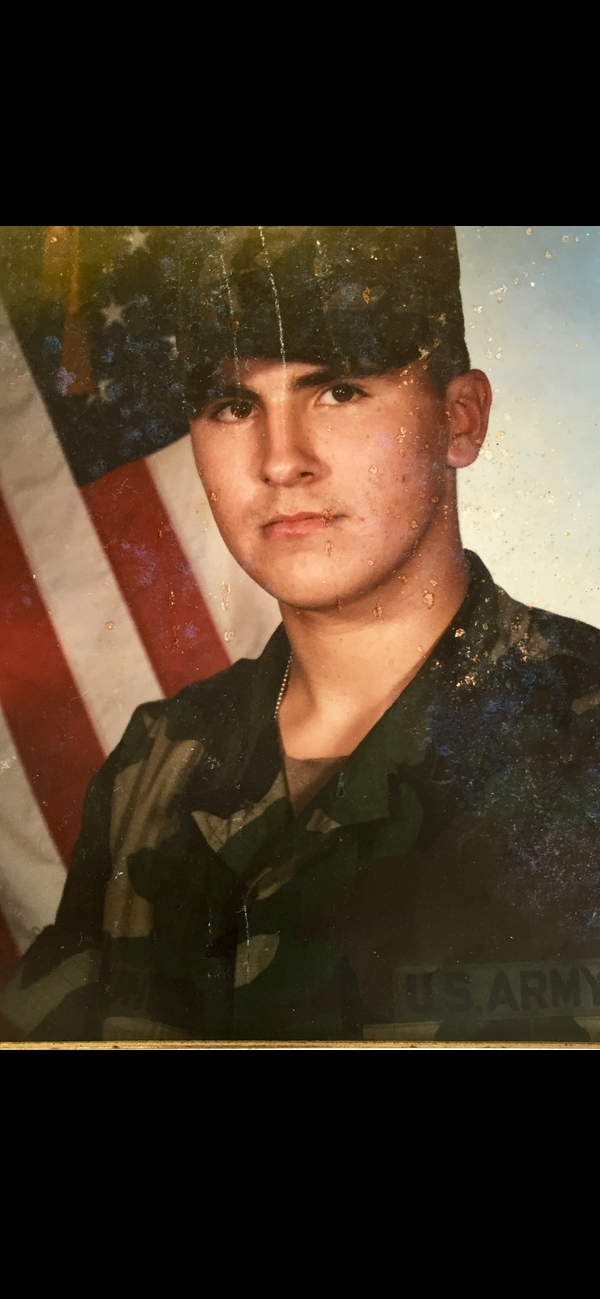
Company C 1st Bn. 38th Inf. Regt. • U.S. Army • 1989
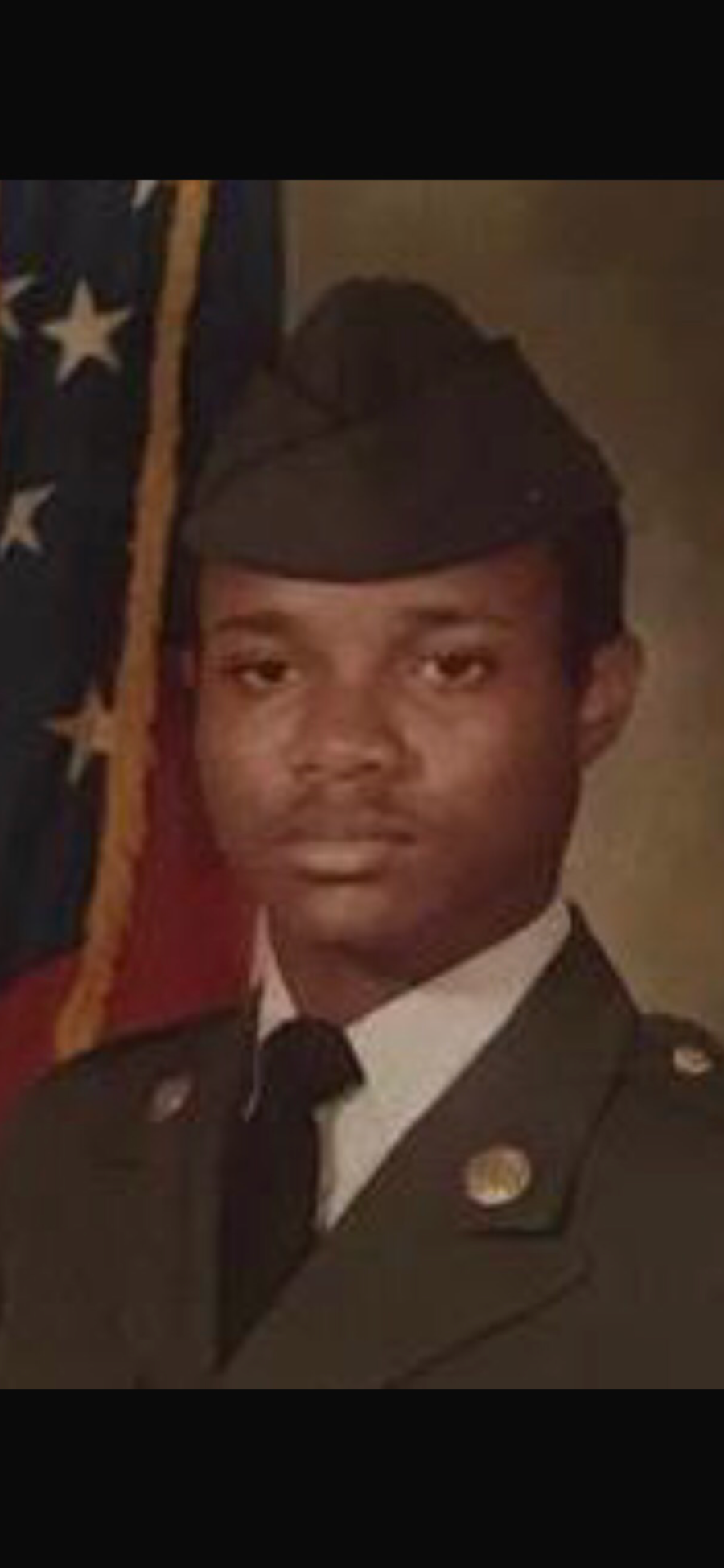
101st airborne division • U.S. Army

U.S. Army
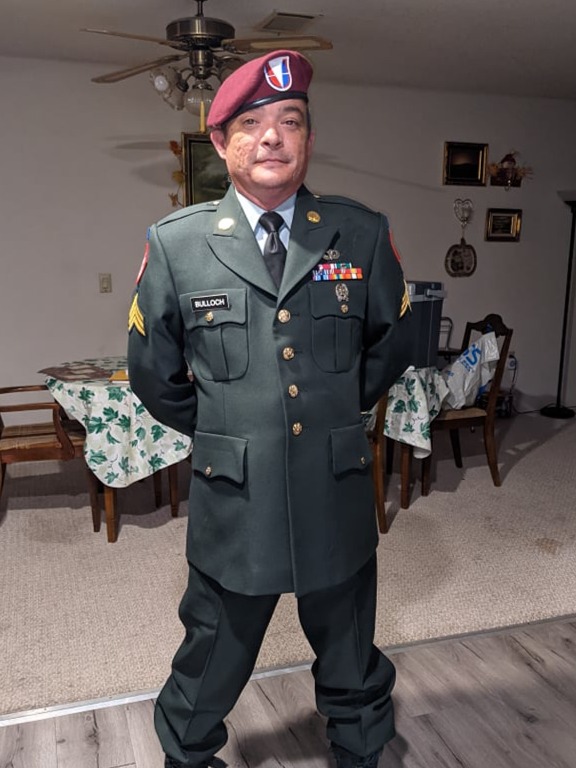
82nd Airborne • U.S. Army • 2018
