
Opening branch overview
Building the branch home surface
Loading branch highlights, featured unit context, and gallery moments.
Overview
Members
Units
Building the branch home surface
Loading branch highlights, featured unit context, and gallery moments.
Building the branch units surface
Loading unit filters, rankings, and the branch unit grid.

1 members•1 unit
Relive and share the memories of your service-time with your brothers and sisters in arms today. VetFriends.com can help you reconnect.
Did you proudly serve in the MTMC Bremerhaven?
Are you looking for someone who is or was in the MTMC Bremerhaven?
Do you have MTMC Bremerhaven photos you'd like to share?
Then join a community with your brothers and sisters of the MTMC Bremerhaven.
Branch
U.S. Army
Members
1
MTMC Bremerhaven, officially known as the Military Traffic Management Command (MTMC) Bremerhaven, played a pivotal role as a key logistics and transportation hub for U.S. military operations in Europe during the Cold War. Located in the port city of Bremerhaven, Germany, the unit managed the reception, staging, onward movement, and shipping of military personnel, vehicles, and equipment arriving from or departing to the United States and other locations. Throughout its years of operation, MTMC Bremerhaven was essential for supporting NATO commitments and large-scale exercises, particularly during periods of heightened tension with the Warsaw Pact. The unit’s mission and activities gradually declined following the end of the Cold War, leading to its eventual closure in the late 1990s as part of the broader drawdown of U.S. forces in Europe.

U.S. Army

ARTILLERY • U.S. Army
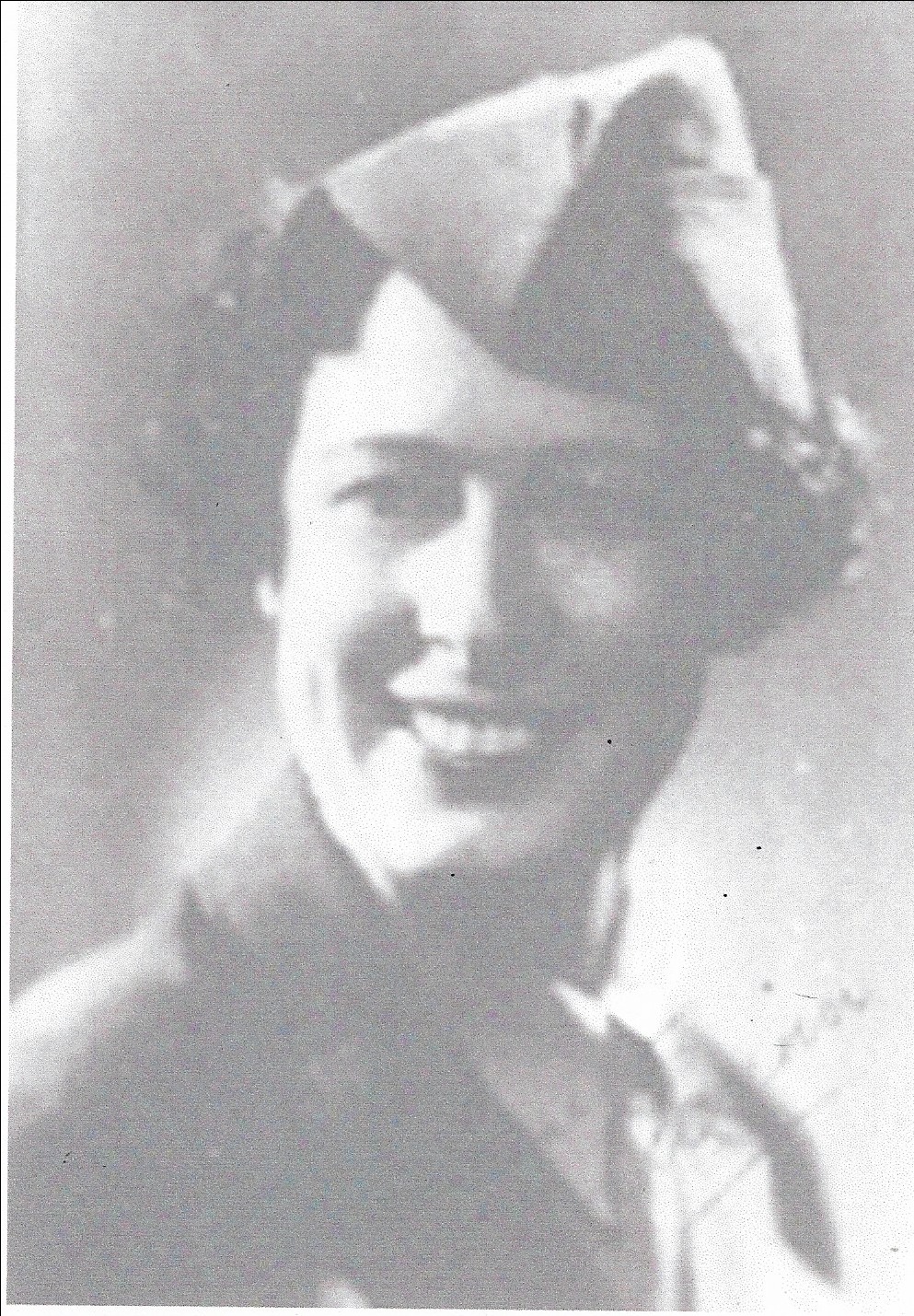
U.S. Army
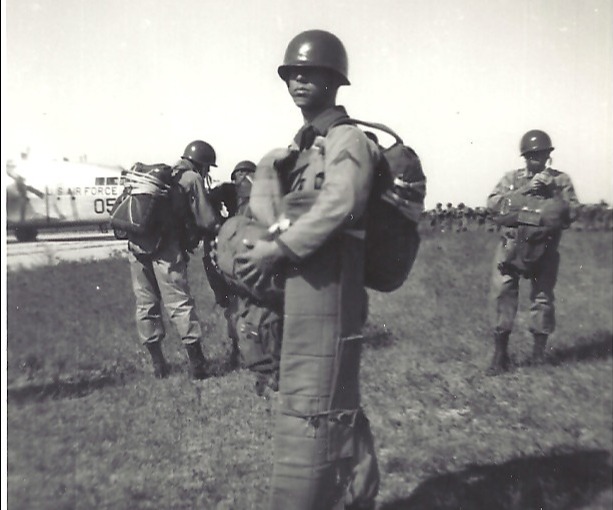
82nd Airborne • U.S. Army • 1954