
Opening branch overview
Building the branch home surface
Loading branch highlights, featured unit context, and gallery moments.
Overview
Members
Units
Building the branch home surface
Loading branch highlights, featured unit context, and gallery moments.
Building the branch units surface
Loading unit filters, rankings, and the branch unit grid.

37 members•1 unit
Relive and share the memories of your service-time with your brothers and sisters in arms today. VetFriends.com can help you reconnect.
Did you proudly serve in the Mobile Riverine Force?
Are you looking for someone who is or was in the Mobile Riverine Force?
Do you have Mobile Riverine Force photos you'd like to share?
Then join a community with your brothers and sisters of the Mobile Riverine Force.
Branch
U.S. Army
Members
37
The Mobile Riverine Force (MRF) was a joint U.S. Army and U.S. Navy unit formed during the Vietnam War in 1967 to conduct operations in the challenging waterways of the Mekong Delta. Utilizing a flotilla of armored boats, including monitors and troop carriers known as "Tangos," the MRF enabled rapid deployment and support of infantry units in areas inaccessible by road. The force executed a combination of amphibious assaults, patrols, and fire support missions, significantly disrupting Viet Cong operations in the region. The MRF exemplified innovative riverine warfare tactics and played a crucial role in controlling the vital waterways of South Vietnam until its dissolution in 1970.
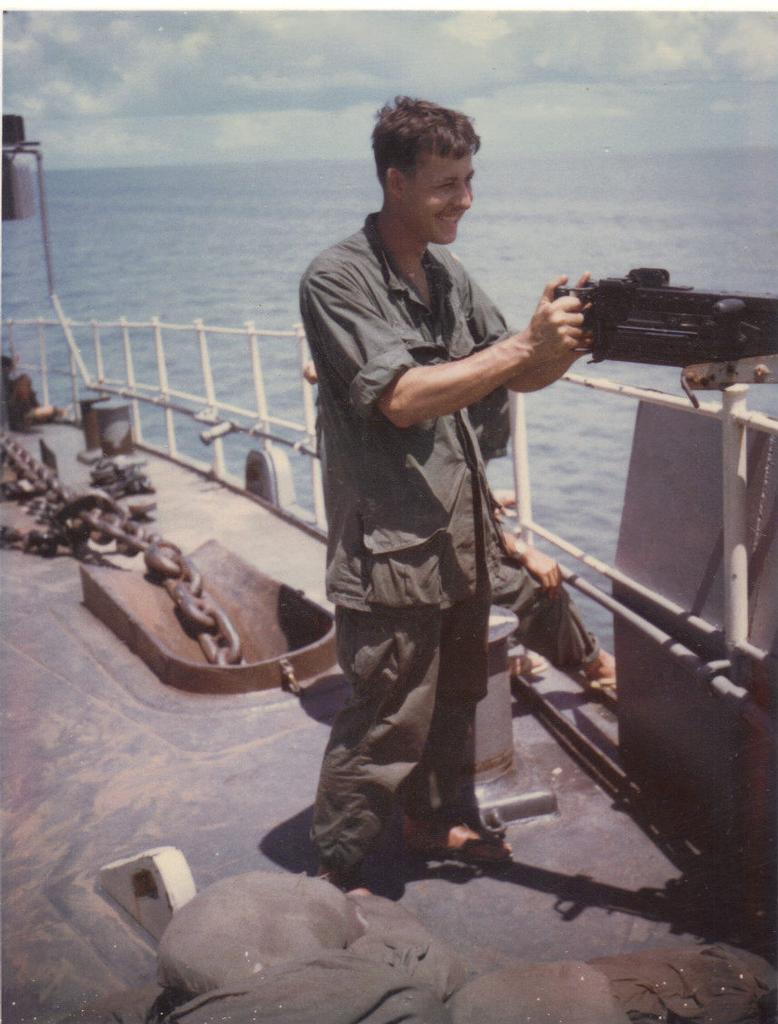
U.S. Army • 1967
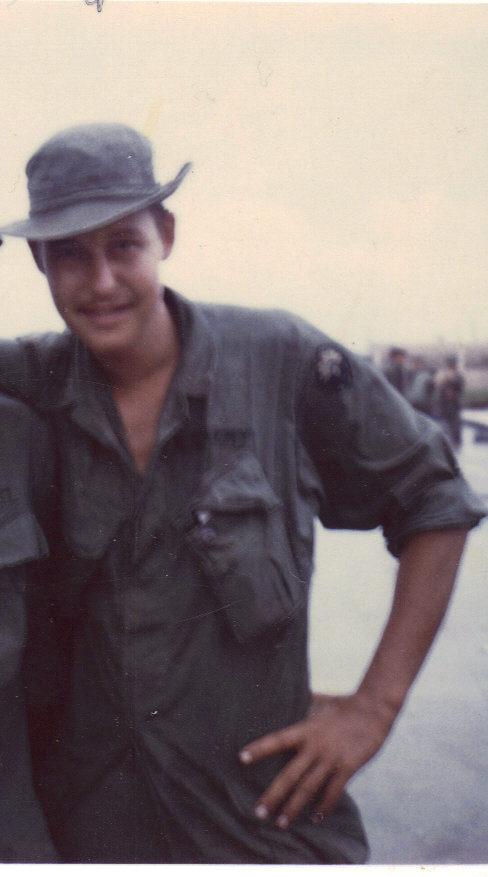
U.S. Army • 1967
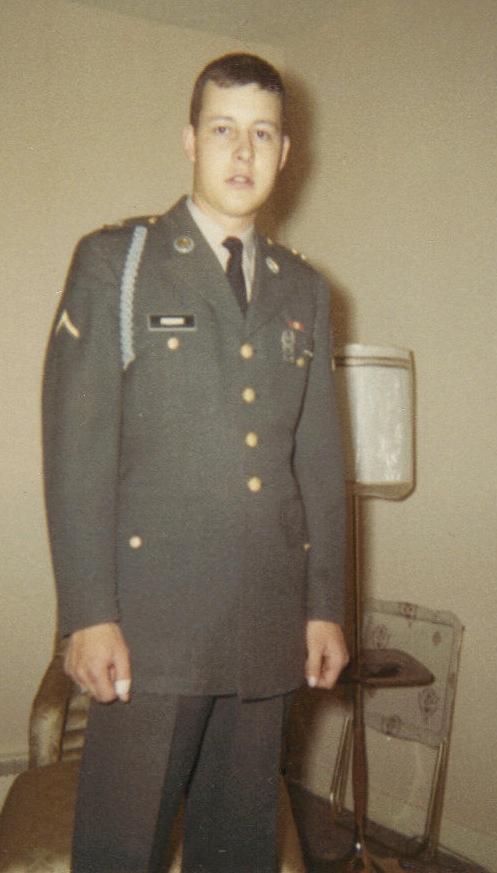
U.S. Army • 1967