
Opening branch overview
Building the branch home surface
Loading branch highlights, featured unit context, and gallery moments.
Overview
Members
Units
Building the branch home surface
Loading branch highlights, featured unit context, and gallery moments.
Building the branch units surface
Loading unit filters, rankings, and the branch unit grid.

37 members•1 unit
Relive and share the memories of your service-time with your brothers and sisters in arms today. VetFriends.com can help you reconnect.
Did you proudly serve in the MILITARY POLICE?
Are you looking for someone who is or was in the MILITARY POLICE?
Do you have MILITARY POLICE photos you'd like to share?
Then join a community with your brothers and sisters of the MILITARY POLICE.
Branch
U.S. Army
Members
37
The Military Police (MP) is a specialized branch within armed forces worldwide, tasked with enforcing military laws, maintaining discipline, and ensuring security within military installations. The origins of military policing date back to ancient armies, but the role became more formalized during the Napoleonic Wars and the American Civil War, when dedicated units were established to oversee order among troops. Throughout the 20th century, especially during the World Wars, Military Police played vital roles in traffic control, prisoner of war management, and battlefield law enforcement. Today, MPs continue to serve both in combat zones and at home bases, providing crucial support in law enforcement, security operations, and humanitarian missions.
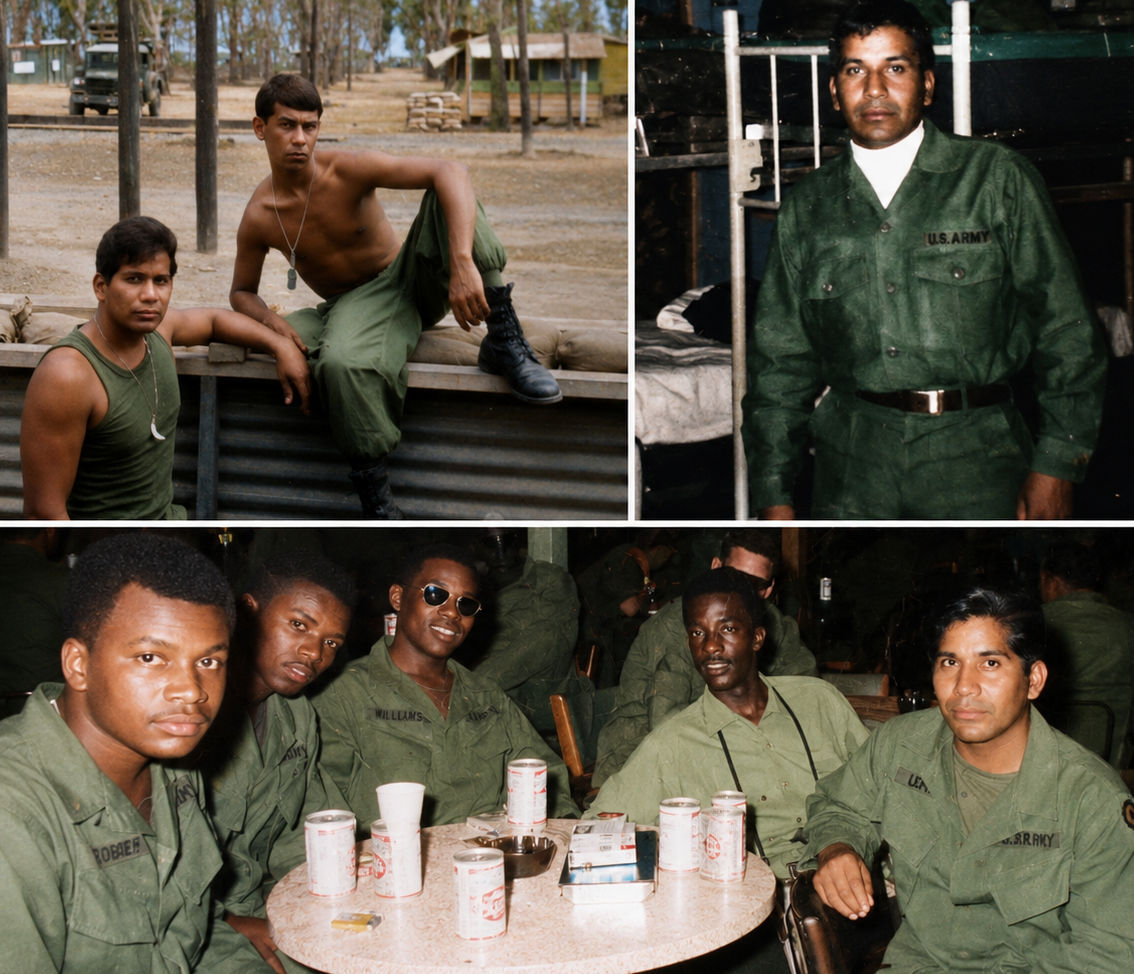
U.S. Army
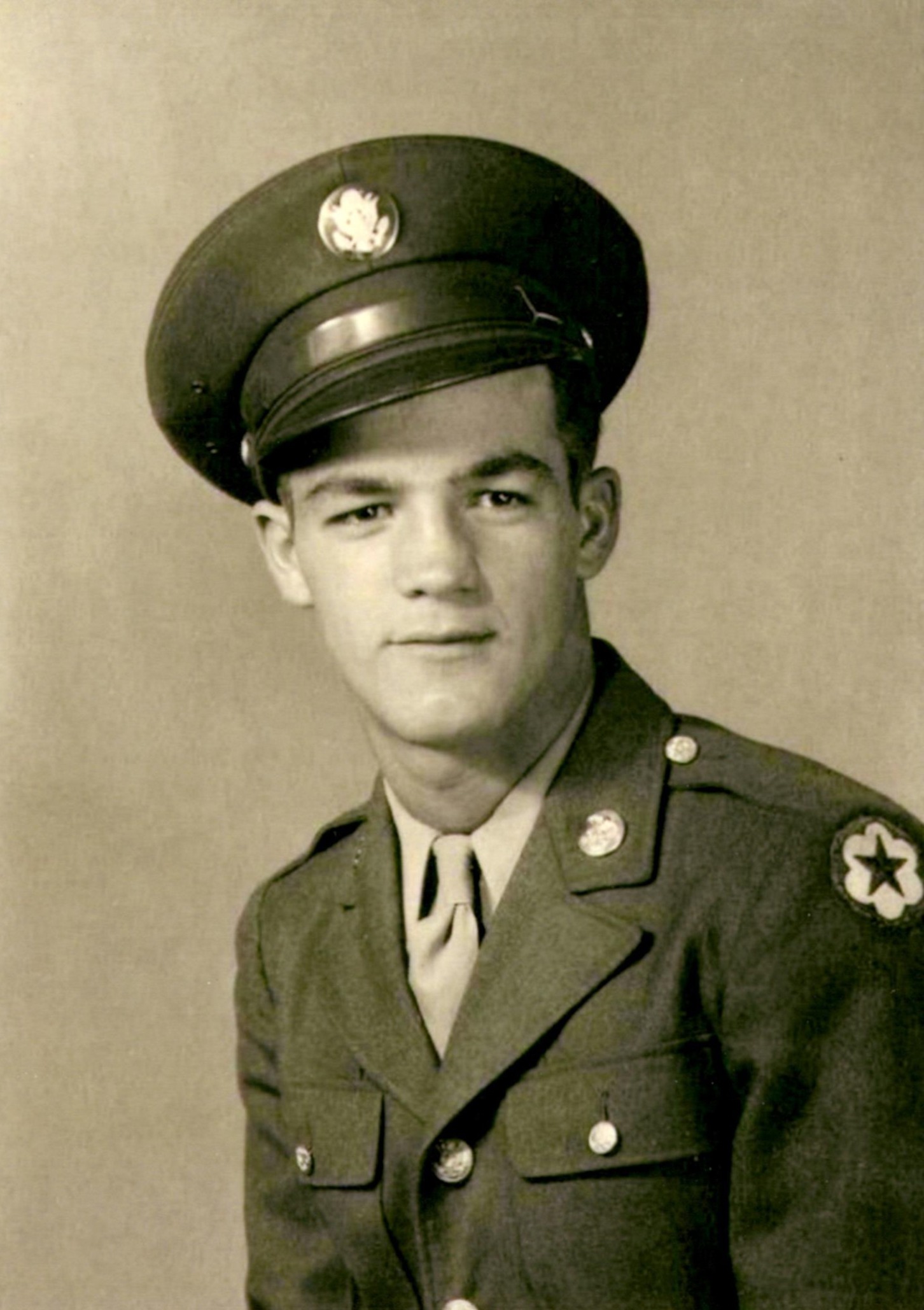
CBI • U.S. Army
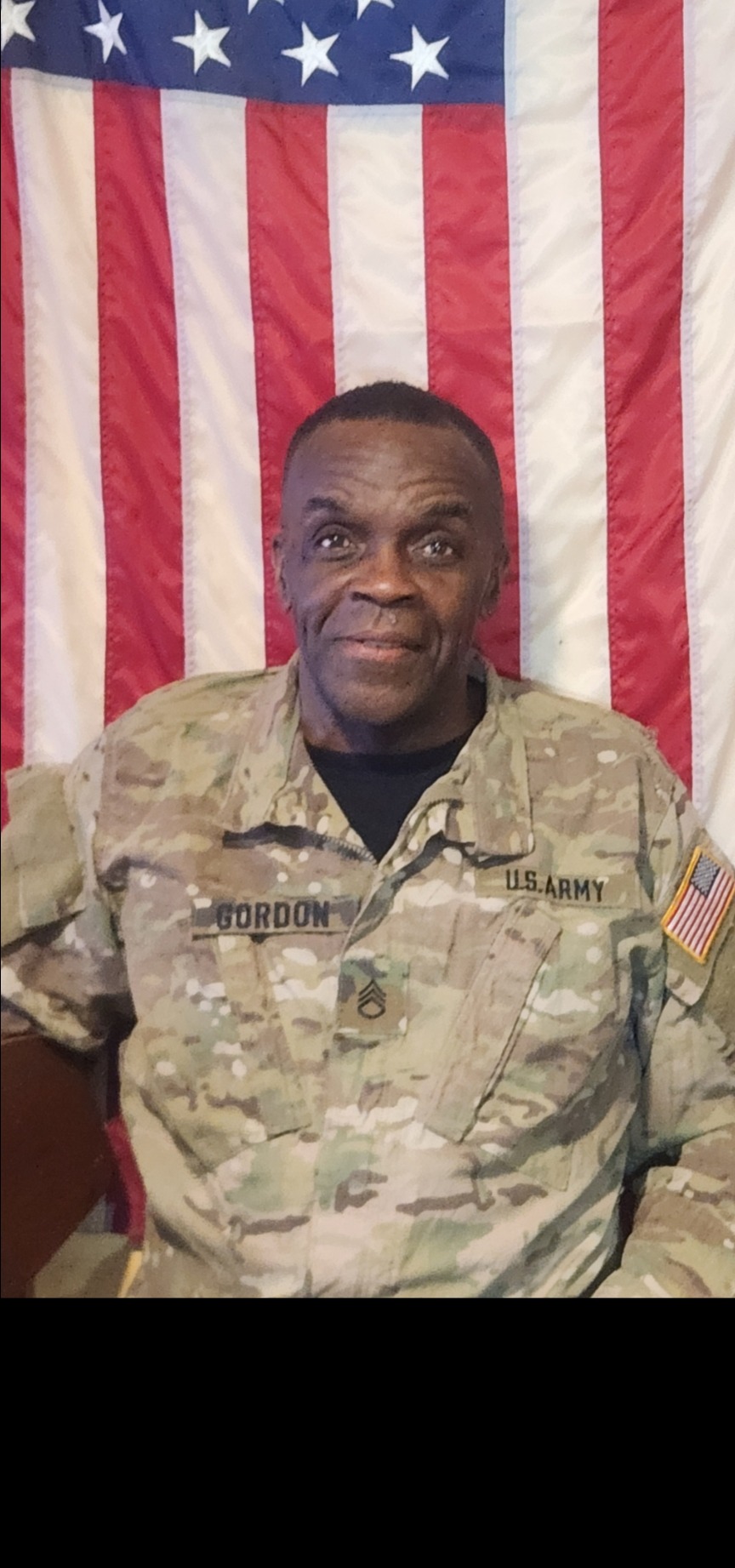
3 Infantry Signal • U.S. Army • 1980

13th Engineer Battalion • U.S. Army • 1975