
Opening branch overview
Building the branch home surface
Loading branch highlights, featured unit context, and gallery moments.
Overview
Members
Units
Building the branch home surface
Loading branch highlights, featured unit context, and gallery moments.
Building the branch units surface
Loading unit filters, rankings, and the branch unit grid.

37 members•1 unit
Relive and share the memories of your service-time with your brothers and sisters in arms today. VetFriends.com can help you reconnect.
Did you proudly serve in the MHICM?
Are you looking for someone who is or was in the MHICM?
Do you have MHICM photos you'd like to share?
Then join a community with your brothers and sisters of the MHICM.
Branch
U.S. Army
Members
37
Certainly! However, there is no widely recognized military unit known as "MHICM" in historical records up to June 2024. If MHICM is a fictional, new, or less-documented unit, please provide more context or specify the nation and era. Otherwise, if MHICM stands for something specific (such as a specialized detachment or acronym), clarifying the full name or role will help generate an accurate and detailed military history.
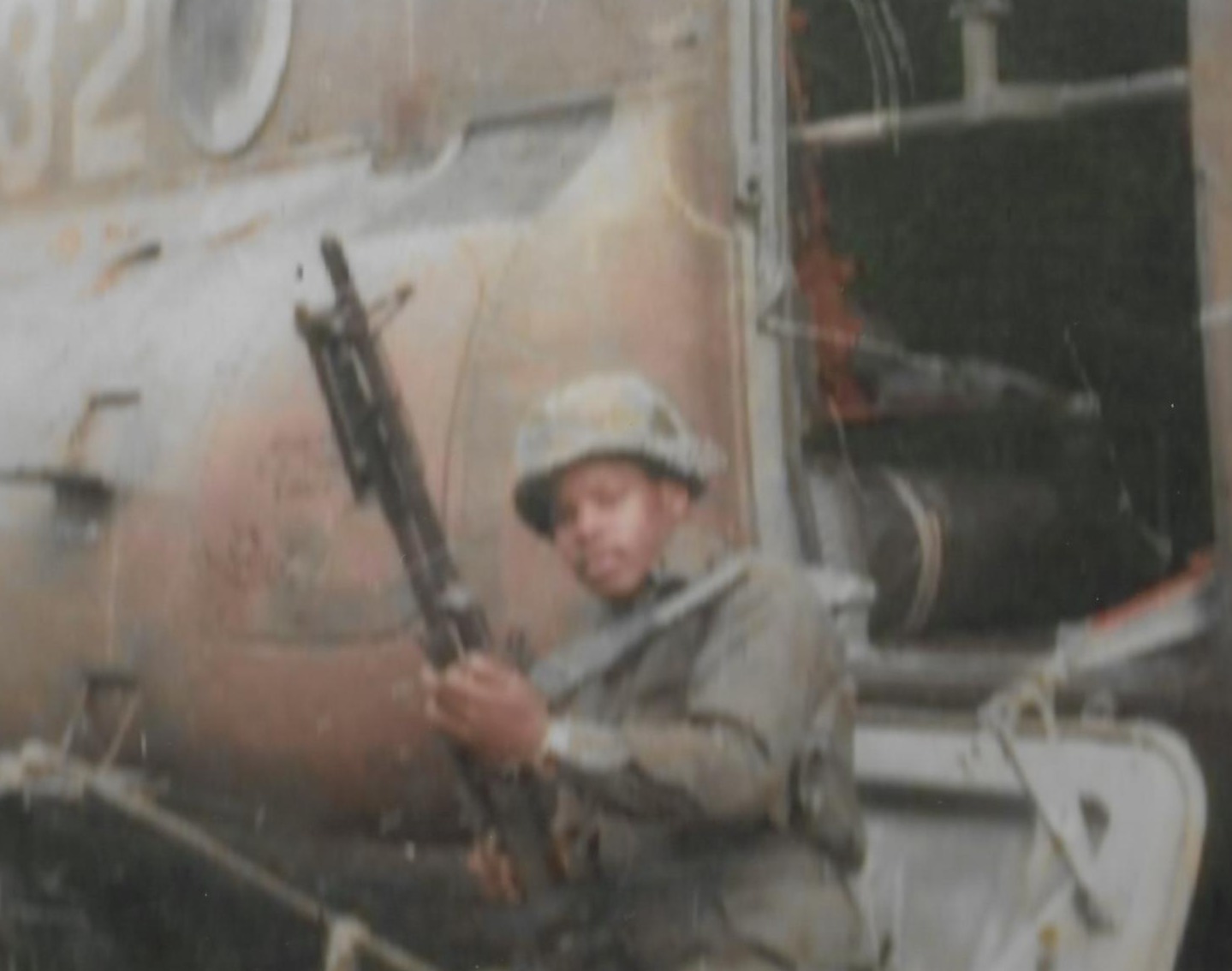
159th Avn Bn • U.S. Army • 1976
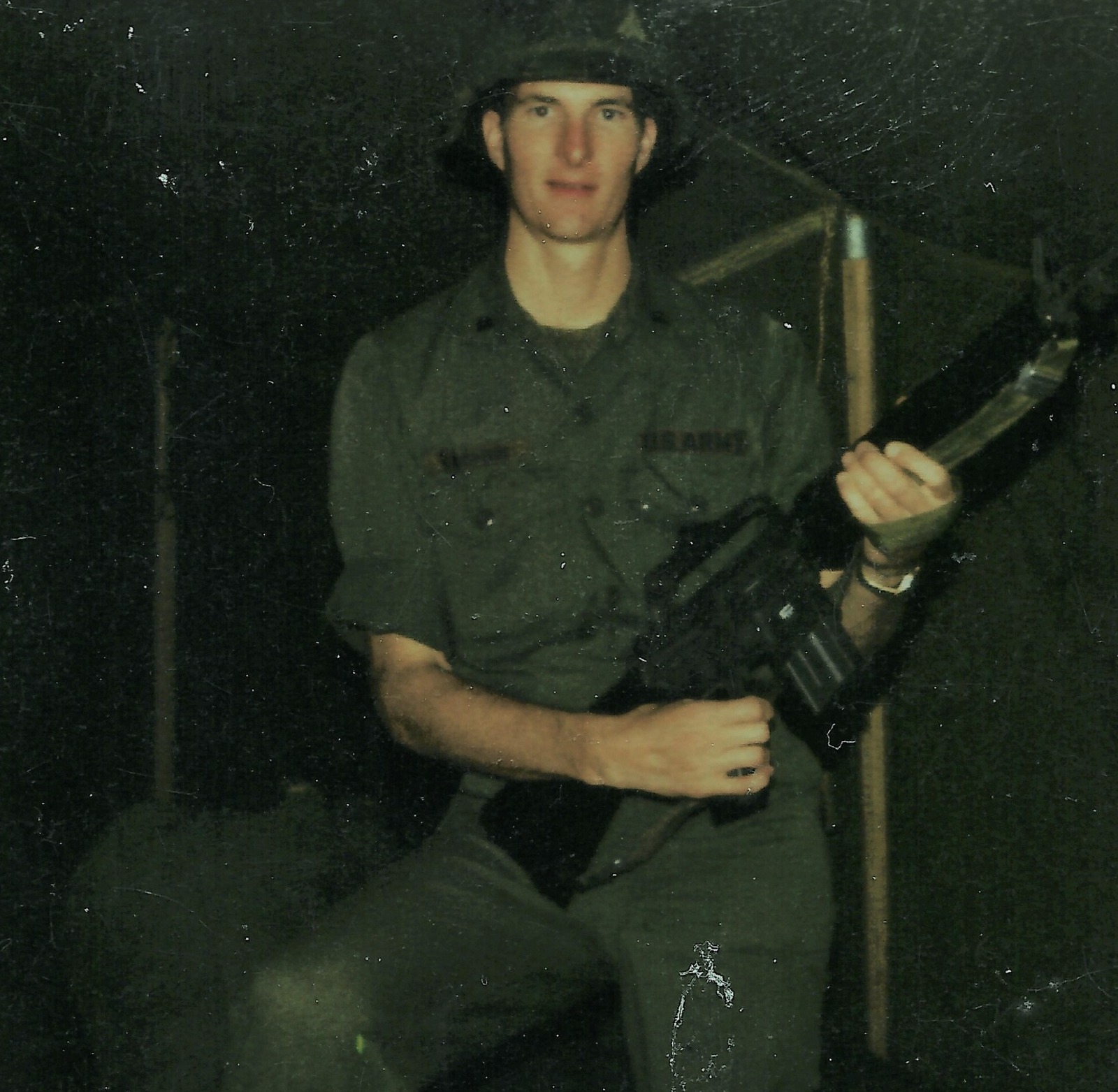
4th ID • U.S. Army • 1980

1/9 air cav • U.S. Army • 1969
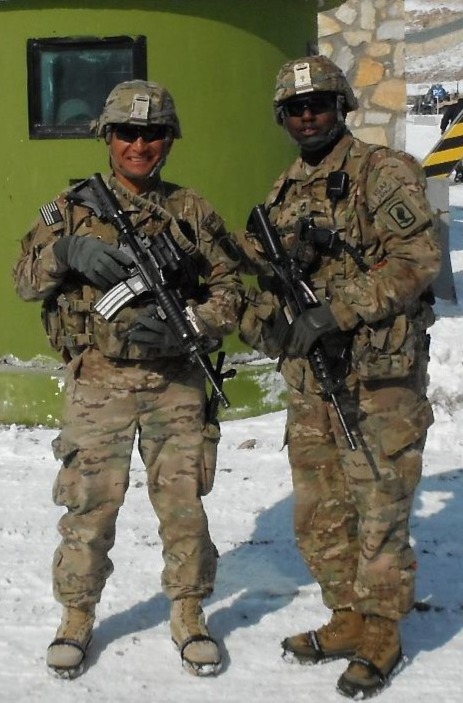
173rd Brigade, 2-503 Infantry • U.S. Army • 2012