
Opening branch overview
Building the branch home surface
Loading branch highlights, featured unit context, and gallery moments.
Overview
Members
Units
Building the branch home surface
Loading branch highlights, featured unit context, and gallery moments.
Building the branch units surface
Loading unit filters, rankings, and the branch unit grid.

2 members•1 unit
Relive and share the memories of your service-time with your brothers and sisters in arms today. VetFriends.com can help you reconnect.
Did you proudly serve in the MDW Ft. Belvoire,Va.?
Are you looking for someone who is or was in the MDW Ft. Belvoire,Va.?
Do you have MDW Ft. Belvoire,Va. photos you'd like to share?
Then join a community with your brothers and sisters of the MDW Ft. Belvoire,Va..
Branch
U.S. Army
Members
2
The Military District of Washington (MDW), with a significant presence at Fort Belvoir, Virginia, is one of the U.S. Army’s oldest and most prestigious commands. Established in 1942, Fort Belvoir has served as a vital logistical, administrative, and support center for the National Capital Region, housing numerous Army commands and defense agencies. The MDW, headquartered at Fort McNair but with key units at Fort Belvoir, is responsible for ceremonial duties, security, and contingency operations in support of the federal government and national events in Washington, D.C. Over the decades, MDW units at Fort Belvoir have played critical roles in national security, disaster response, and supporting the Army’s mission in the nation’s capital.
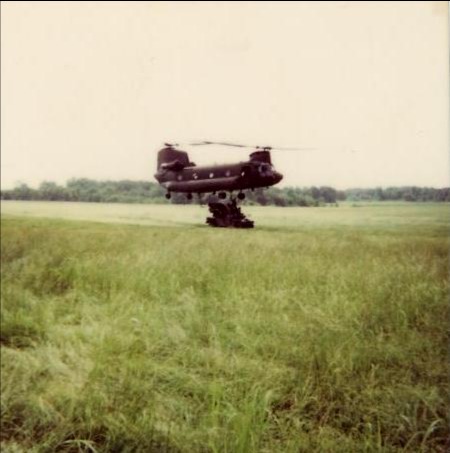
2-44 ADA FT CAMPBELL KY • U.S. Army • 1999
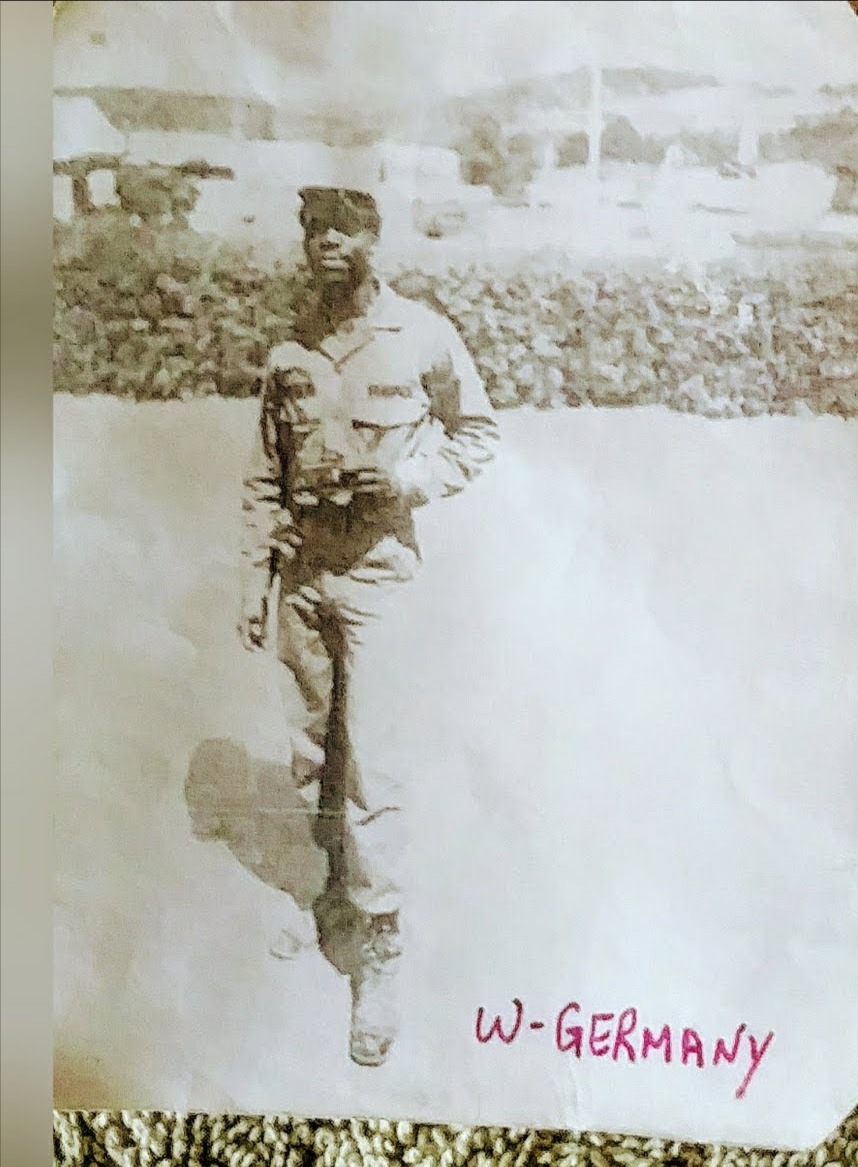
U.S. Army
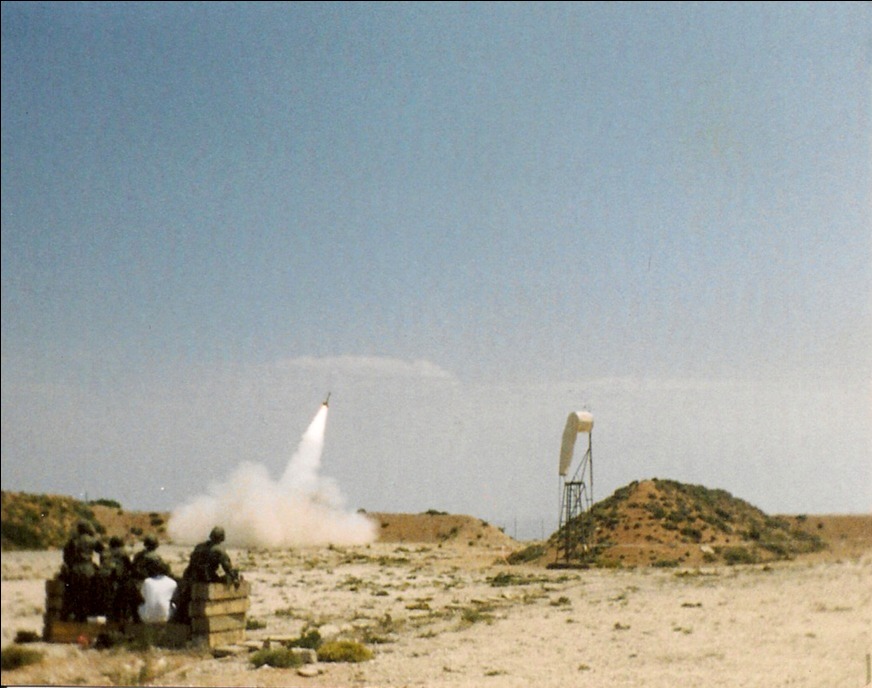
3rd Armored Division • U.S. Army • 1989
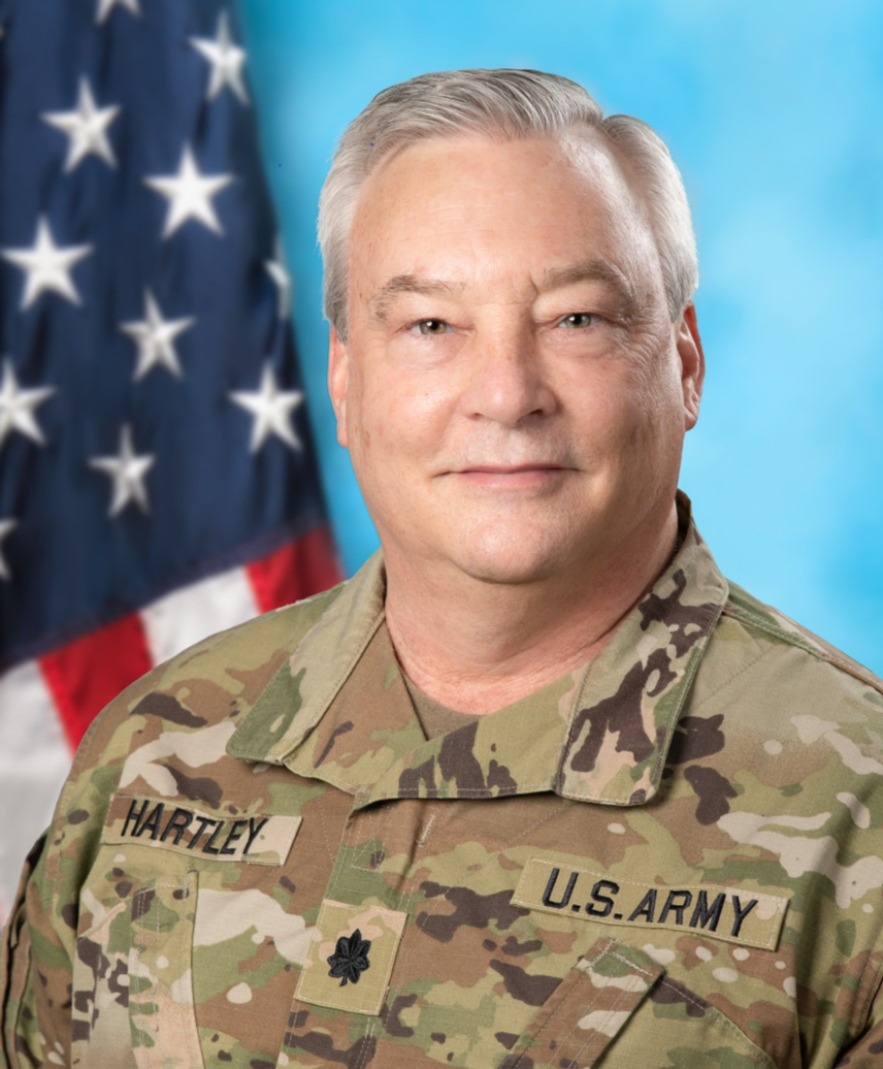
Dwight David Eisenhower Army Medical Center • U.S. Army • 2021