
Opening branch overview
Building the branch home surface
Loading branch highlights, featured unit context, and gallery moments.
Overview
Members
Units
Building the branch home surface
Loading branch highlights, featured unit context, and gallery moments.
Building the branch units surface
Loading unit filters, rankings, and the branch unit grid.

13 members•1 unit
Relive and share the memories of your service-time with your brothers and sisters in arms today. VetFriends.com can help you reconnect.
Did you proudly serve in the MCB Camp Lejeune MCES?
Are you looking for someone who is or was in the MCB Camp Lejeune MCES?
Do you have MCB Camp Lejeune MCES photos you'd like to share?
Then join a community with your brothers and sisters of the MCB Camp Lejeune MCES.
Branch
U.S. Army
Members
13
The Marine Corps Engineer School (MCES) at Marine Corps Base Camp Lejeune was established to provide specialized engineer training for Marines. Since its inception, MCES has been responsible for developing and instructing Marines in combat engineering, utilities, and explosive ordnance disposal (EOD) skills critical to operational success. Over the decades, the school has evolved its curriculum to meet the changing demands of the battlefield, incorporating advanced technology and modern warfare tactics. Today, MCES continues to prepare Marines for both garrison and expeditionary engineering missions worldwide, upholding a legacy of technical excellence and combat readiness.
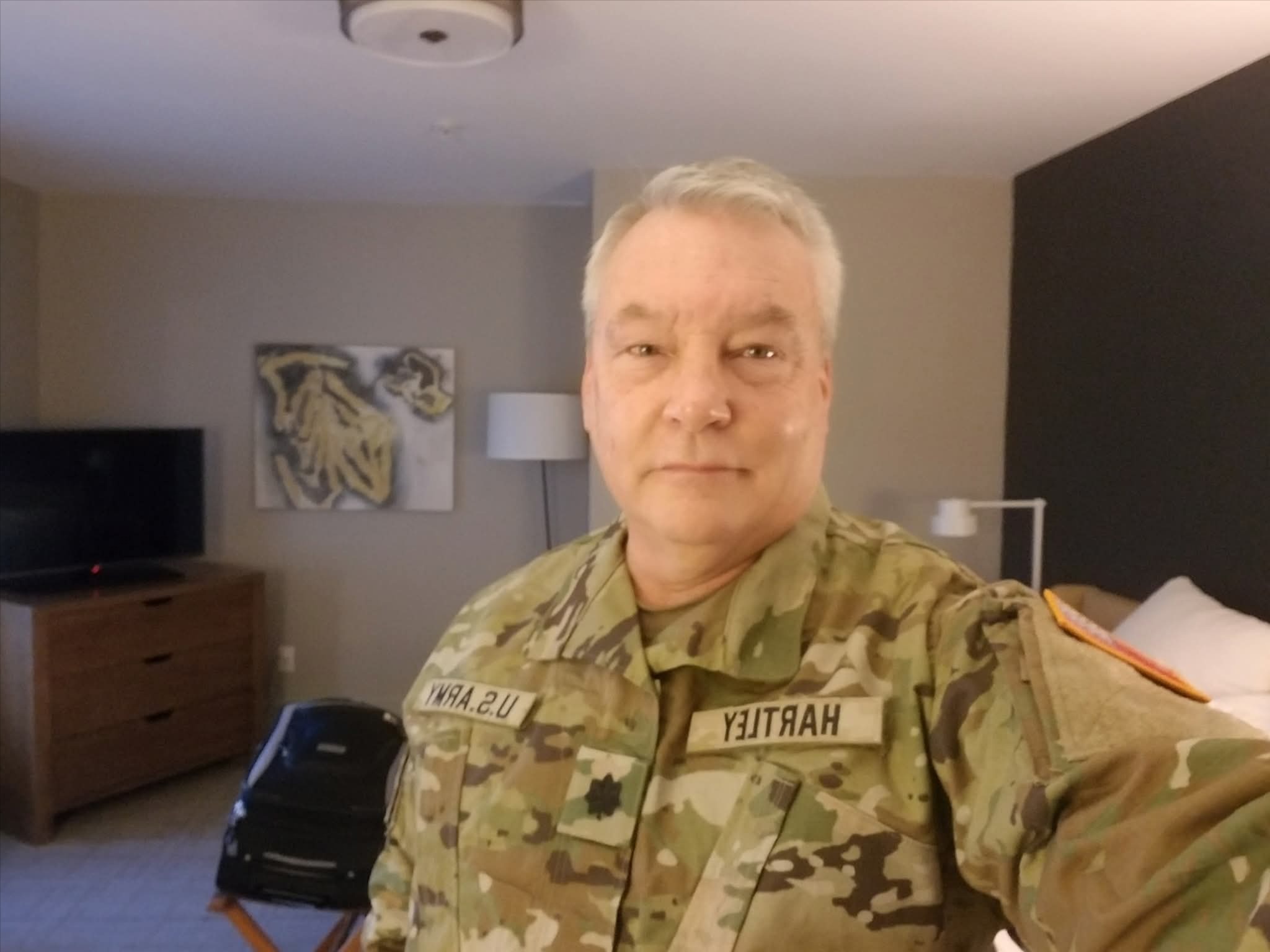
Dwight David Eisenhower Army Medical Center • U.S. Army • 2021
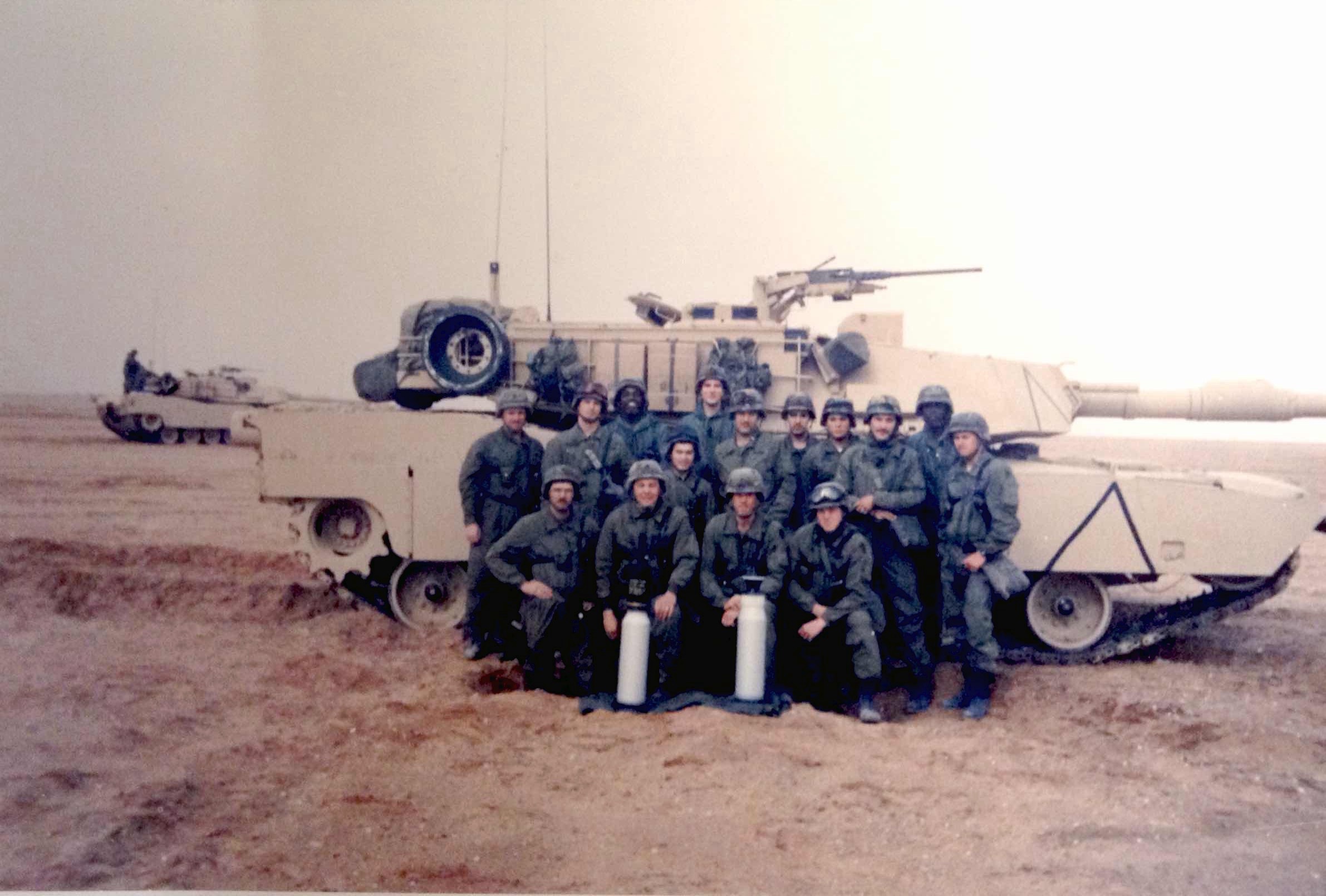
U.S. Army
MEDICAL • U.S. Army • 1991

U.S. Army