
Opening branch overview
Building the branch home surface
Loading branch highlights, featured unit context, and gallery moments.
Overview
Members
Units
Building the branch home surface
Loading branch highlights, featured unit context, and gallery moments.
Building the branch units surface
Loading unit filters, rankings, and the branch unit grid.

1 members•1 unit
Relive and share the memories of your service-time with your brothers and sisters in arms today. VetFriends.com can help you reconnect.
Did you proudly serve in the MARPAC?
Are you looking for someone who is or was in the MARPAC?
Do you have MARPAC photos you'd like to share?
Then join a community with your brothers and sisters of the MARPAC.
Branch
U.S. Army
Members
1
**MARPAC** (Maritime Forces Pacific) is a formation of the Royal Canadian Navy responsible for operations in the Pacific Ocean and along Canada’s west coast. Established in 1910 as Esquimalt Naval Base, it became a key hub for Canadian naval activities during both World Wars, supporting anti-submarine warfare and escort missions. Renamed Maritime Forces Pacific in 1966, MARPAC has since played a vital role in national security, disaster response, and international operations. Its headquarters remain at CFB Esquimalt, British Columbia, overseeing a fleet of modern warships and supporting Canada’s maritime interests in the Asia-Pacific region.

187TH PSC • U.S. Army • 1991
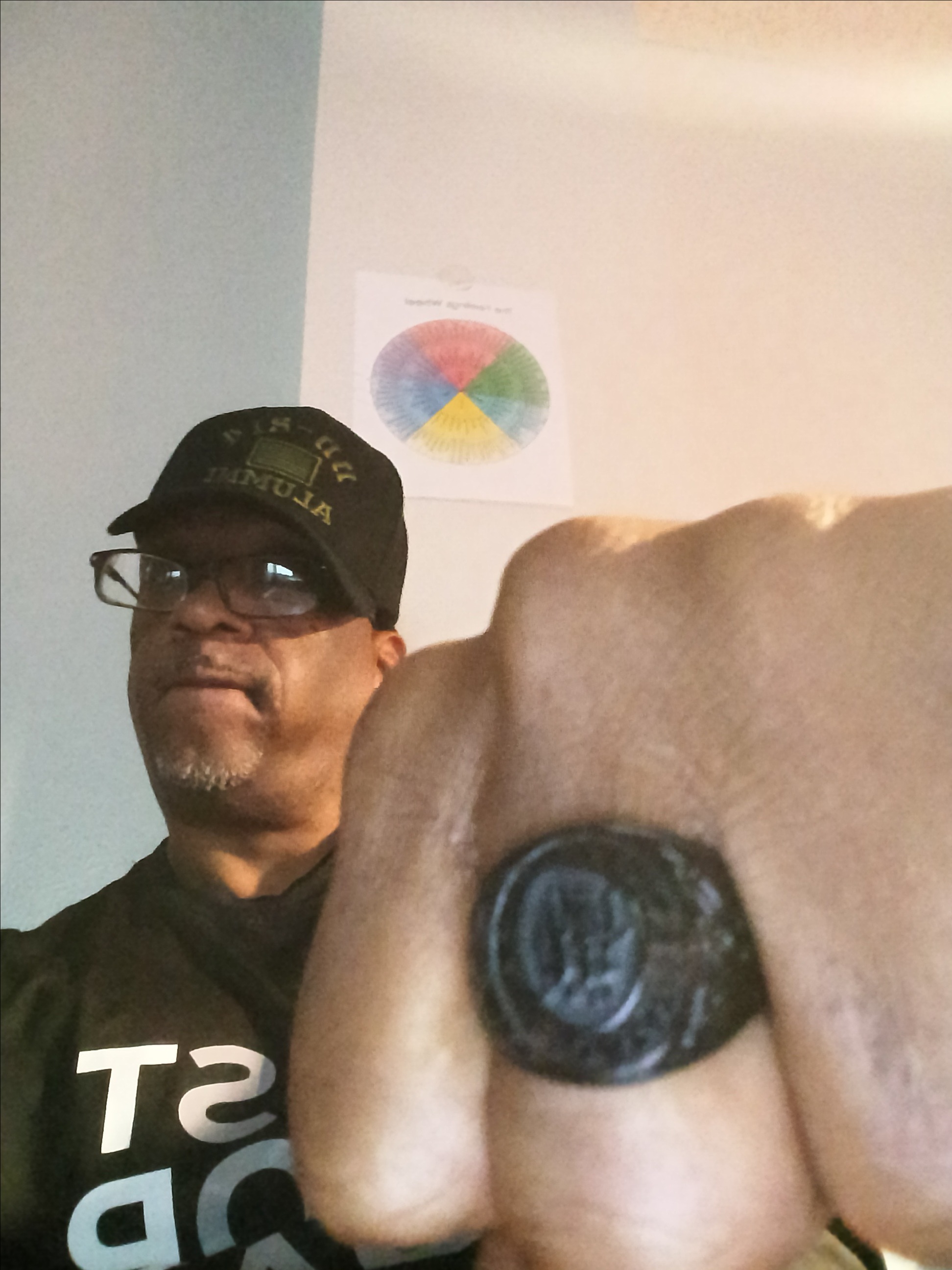
U.S. Army • 2026

U.S. Army
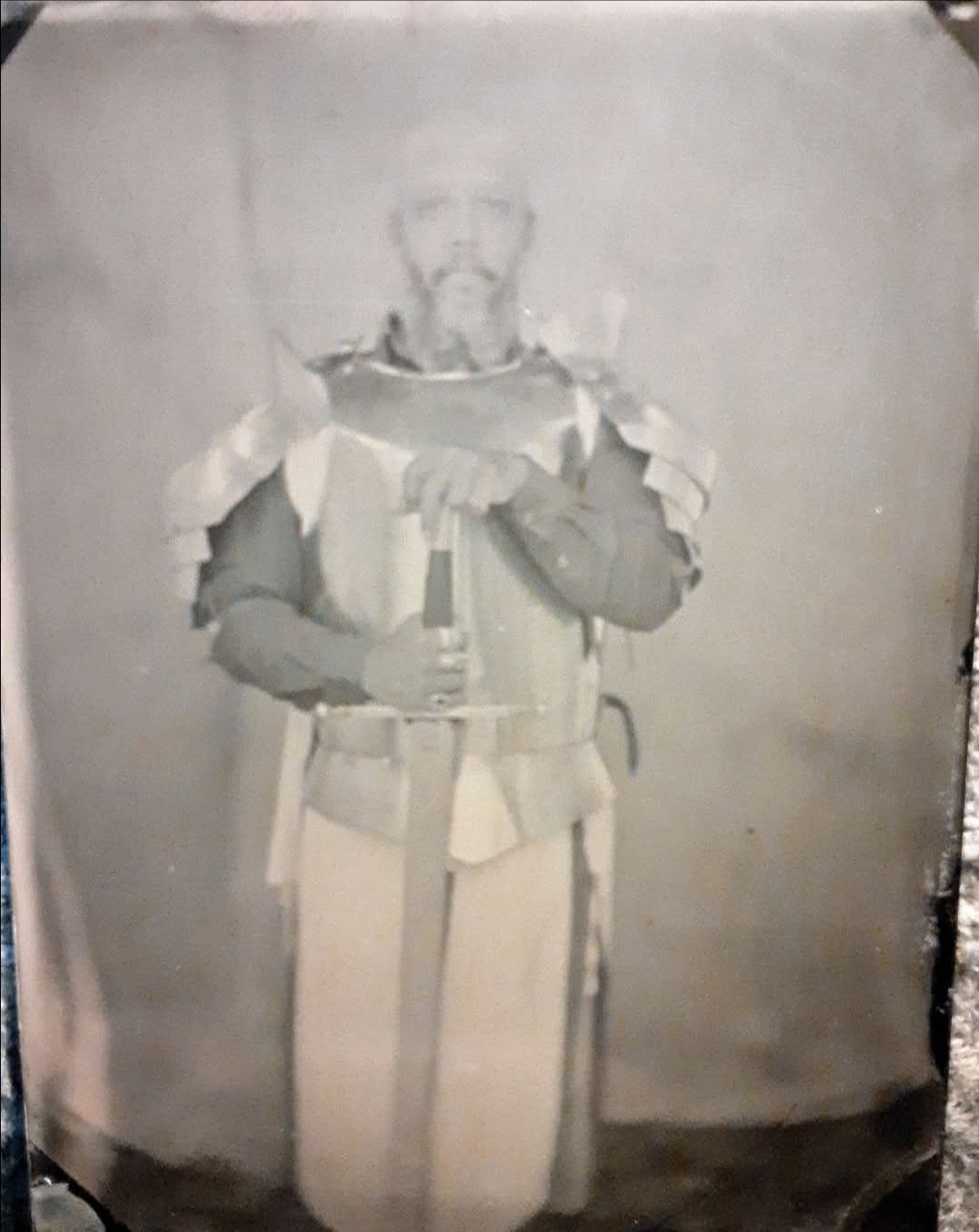
U.S. Army