Over 3,064,780 active members

U.S. Army•5 members
Relive and share the memories of your service-time with your brothers and sisters in arms today. VetFriends.com can help you reconnect.
Did you proudly serve in the Madigan General Hospital?
Are you looking for someone who is or was in the Madigan General Hospital?
Do you have Madigan General Hospital photos you'd like to share?
Then join a community with your brothers and sisters of the Madigan General Hospital.
Branch
U.S. Army
Members
5
Madigan General Hospital, now known as Madigan Army Medical Center, was established in 1944 at Fort Lewis, Washington, to provide medical care for soldiers during World War II. Named after Colonel Patrick S. Madigan, a pioneer in military neuropsychiatry, the hospital quickly became one of the largest military medical facilities on the West Coast. Throughout subsequent conflicts, including the Korean and Vietnam Wars, Madigan served as a key treatment and rehabilitation center for wounded service members. Today, Madigan Army Medical Center continues its legacy, offering comprehensive medical services to active duty personnel, retirees, and their families.
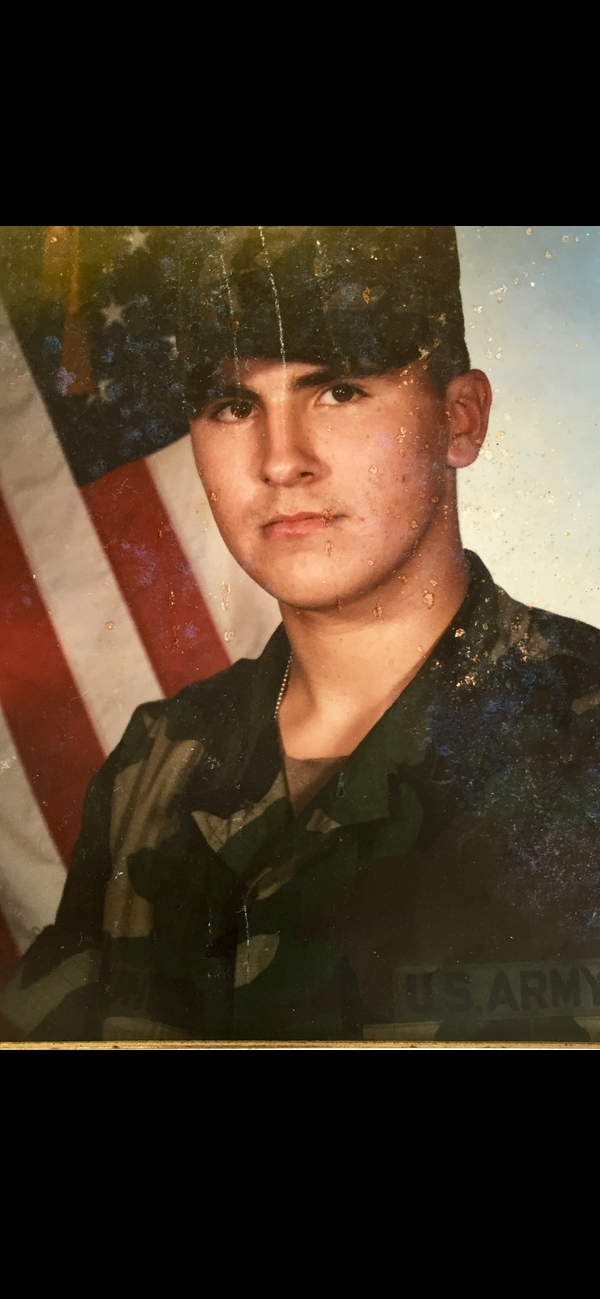
Company C 1st Bn. 38th Inf. Regt. • U.S. Army • 1989
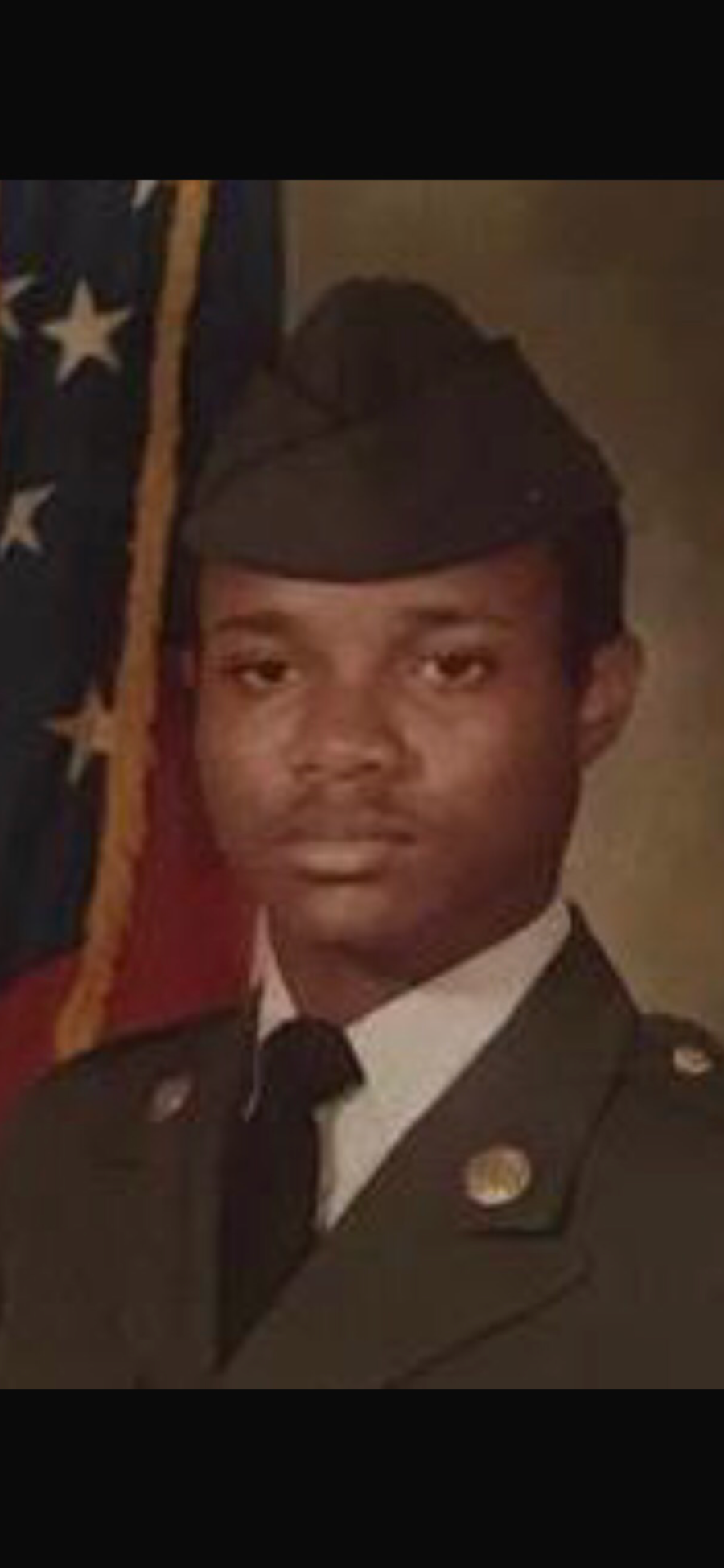
101st airborne division • U.S. Army
U.S. Army
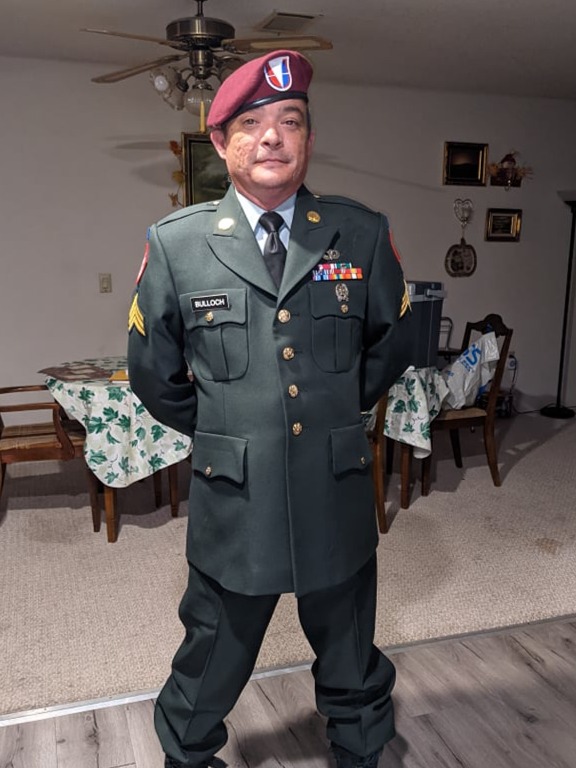
82nd Airborne • U.S. Army • 2018
