
Opening branch overview
Building the branch home surface
Loading branch highlights, featured unit context, and gallery moments.
Overview
Members
Units
Building the branch home surface
Loading branch highlights, featured unit context, and gallery moments.
Building the branch units surface
Loading unit filters, rankings, and the branch unit grid.

37 members•1 unit
Relive and share the memories of your service-time with your brothers and sisters in arms today. VetFriends.com can help you reconnect.
Did you proudly serve in the MACV TEAM 73?
Are you looking for someone who is or was in the MACV TEAM 73?
Do you have MACV TEAM 73 photos you'd like to share?
Then join a community with your brothers and sisters of the MACV TEAM 73.
Branch
U.S. Army
Members
37
MACV Team 73, also known as Advisory Team 73, was a unit of the U.S. Military Assistance Command, Vietnam (MACV) during the Vietnam War. Stationed primarily in Phước Tuy Province, Team 73's mission was to provide advisory support and assistance to the Army of the Republic of Vietnam (ARVN) units operating in the region. The team worked closely with local Vietnamese military and civil authorities to coordinate counterinsurgency operations, intelligence gathering, and pacification programs. Throughout its deployment, MACV Team 73 played a crucial role in strengthening South Vietnamese military capabilities and improving security in its assigned area until the U.S. withdrawal from Vietnam.
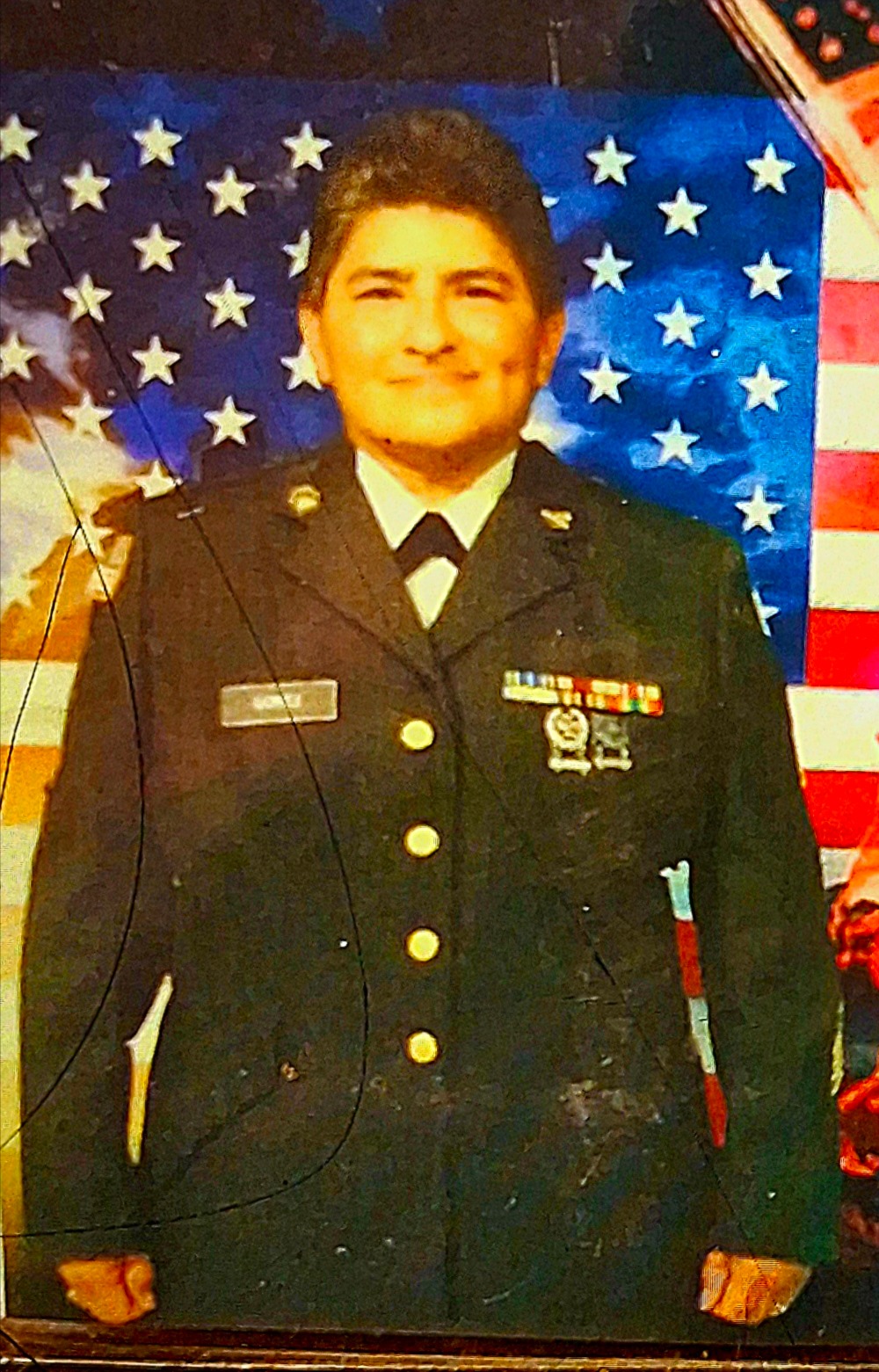
1st BN /65th ADA Co. • U.S. Army • 1980
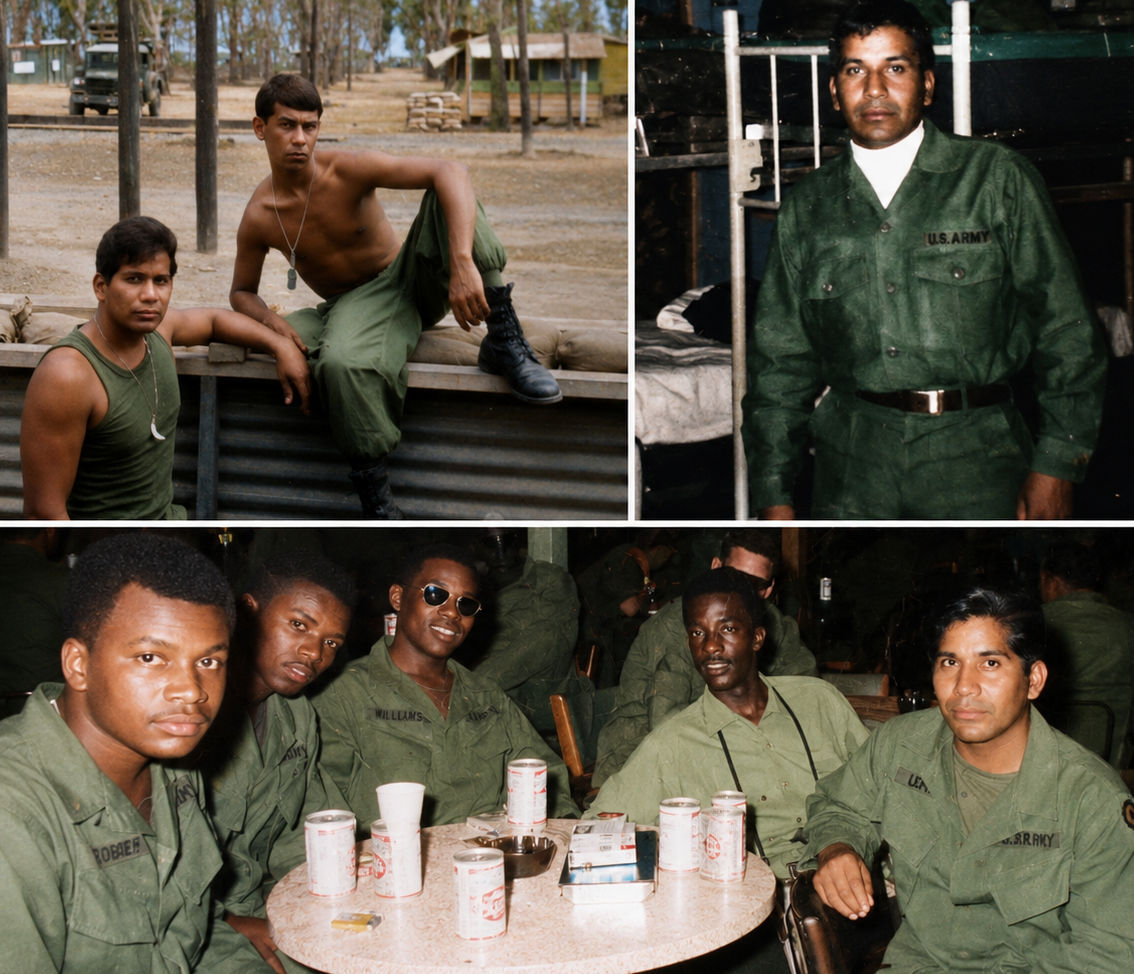
U.S. Army
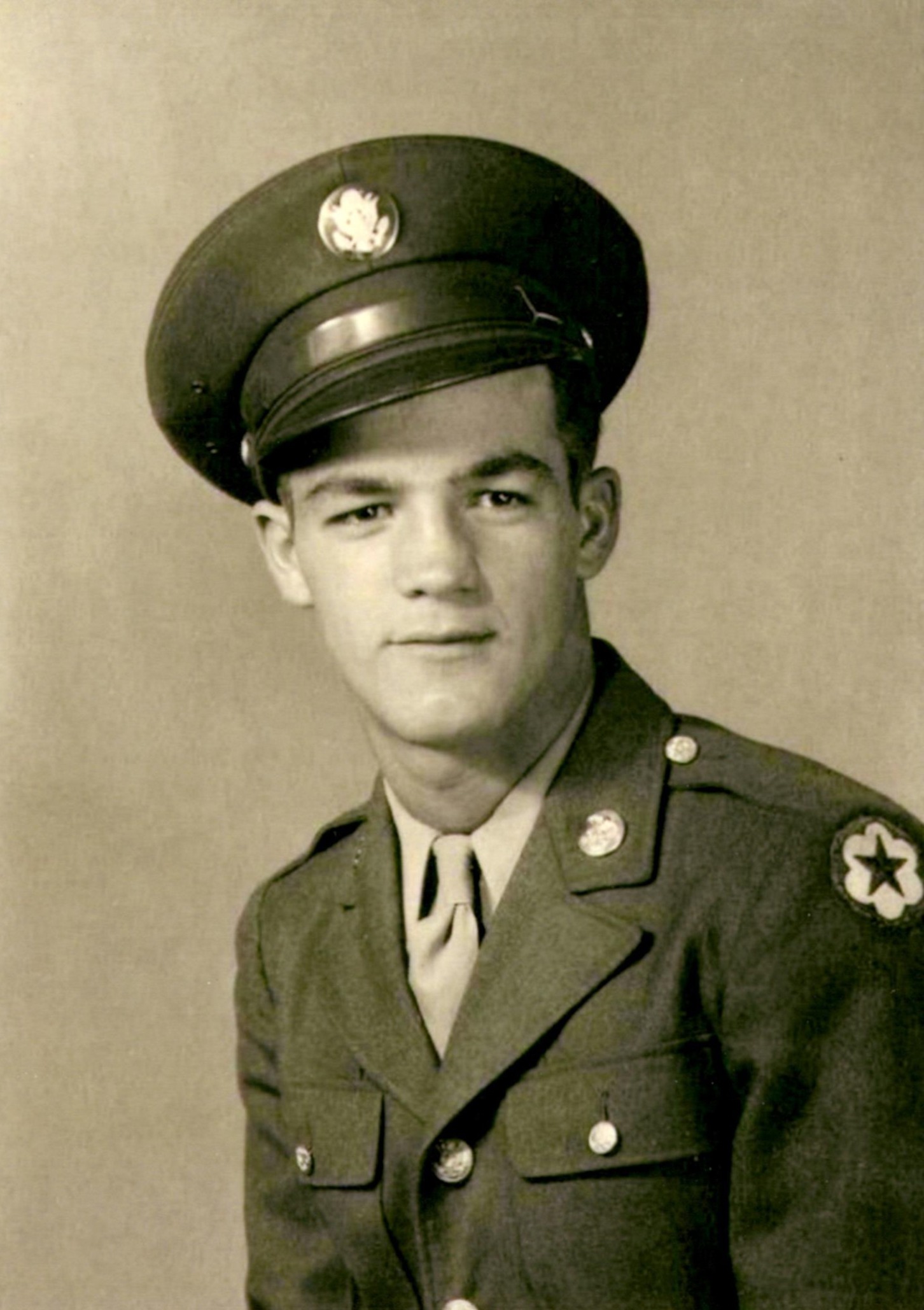
CBI • U.S. Army
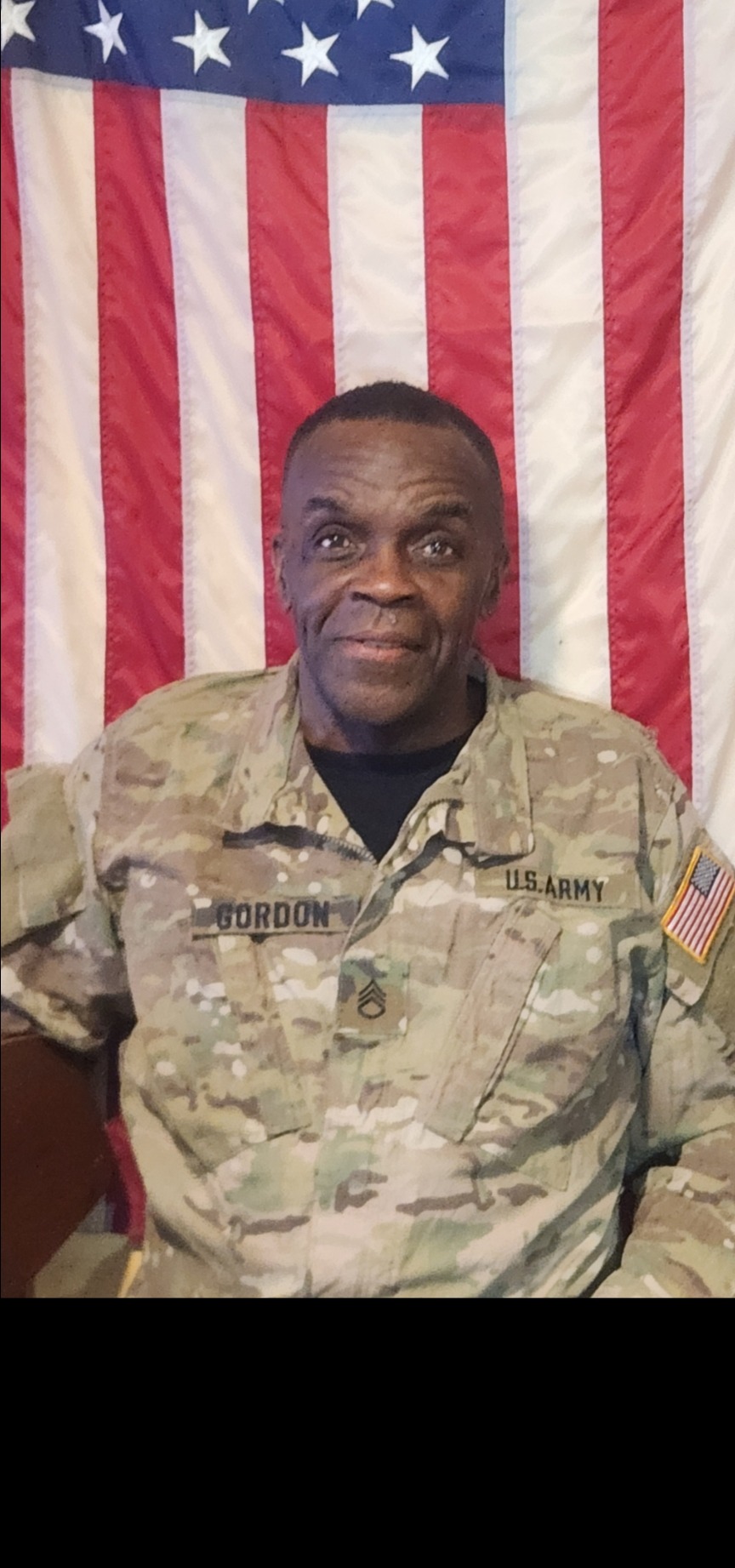
3 Infantry Signal • U.S. Army • 1980