
Opening branch overview
Building the branch home surface
Loading branch highlights, featured unit context, and gallery moments.
Overview
Members
Units
Building the branch home surface
Loading branch highlights, featured unit context, and gallery moments.
Building the branch units surface
Loading unit filters, rankings, and the branch unit grid.

7 members•1 unit
Relive and share the memories of your service-time with your brothers and sisters in arms today. VetFriends.com can help you reconnect.
Did you proudly serve in the MACV HGS?
Are you looking for someone who is or was in the MACV HGS?
Do you have MACV HGS photos you'd like to share?
Then join a community with your brothers and sisters of the MACV HGS.
Branch
U.S. Army
Members
7
The **Military Assistance Command, Vietnam – Headquarters Support Group (MACV HGS)** was a vital component of the United States military presence in Vietnam between 1962 and 1973. Established to provide essential administrative, logistical, and operational support to MACV headquarters in Saigon, HGS managed services such as communications, transportation, and base security for American and allied personnel. The unit enabled the smooth functioning of MACV’s command structure, facilitating coordination among various branches and international partners engaged in the Vietnam War. As U.S. involvement in Vietnam drew down, MACV HGS played a key role in the phased withdrawal and redeployment of American forces before its deactivation in 1973.
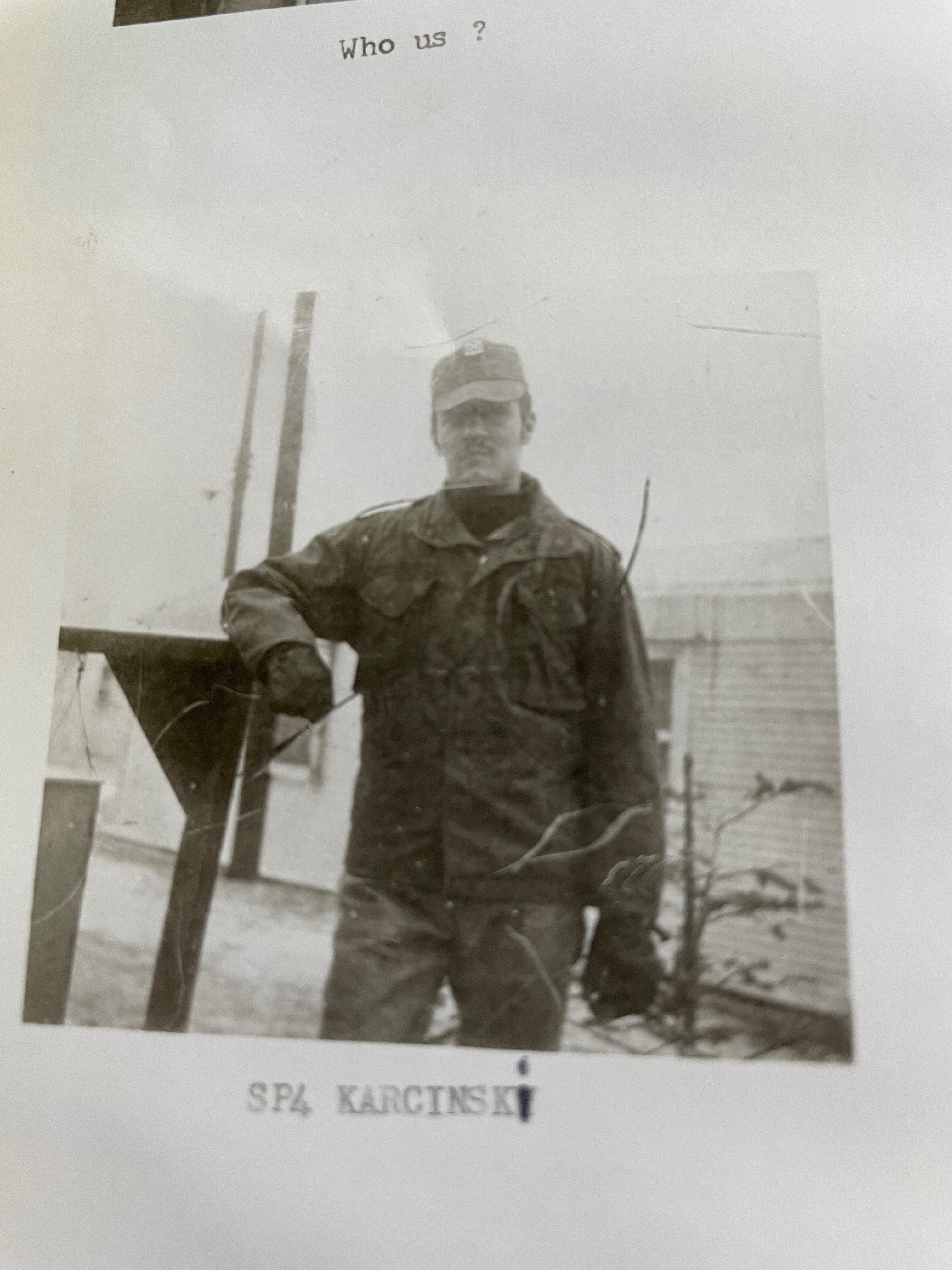
U.S. Army
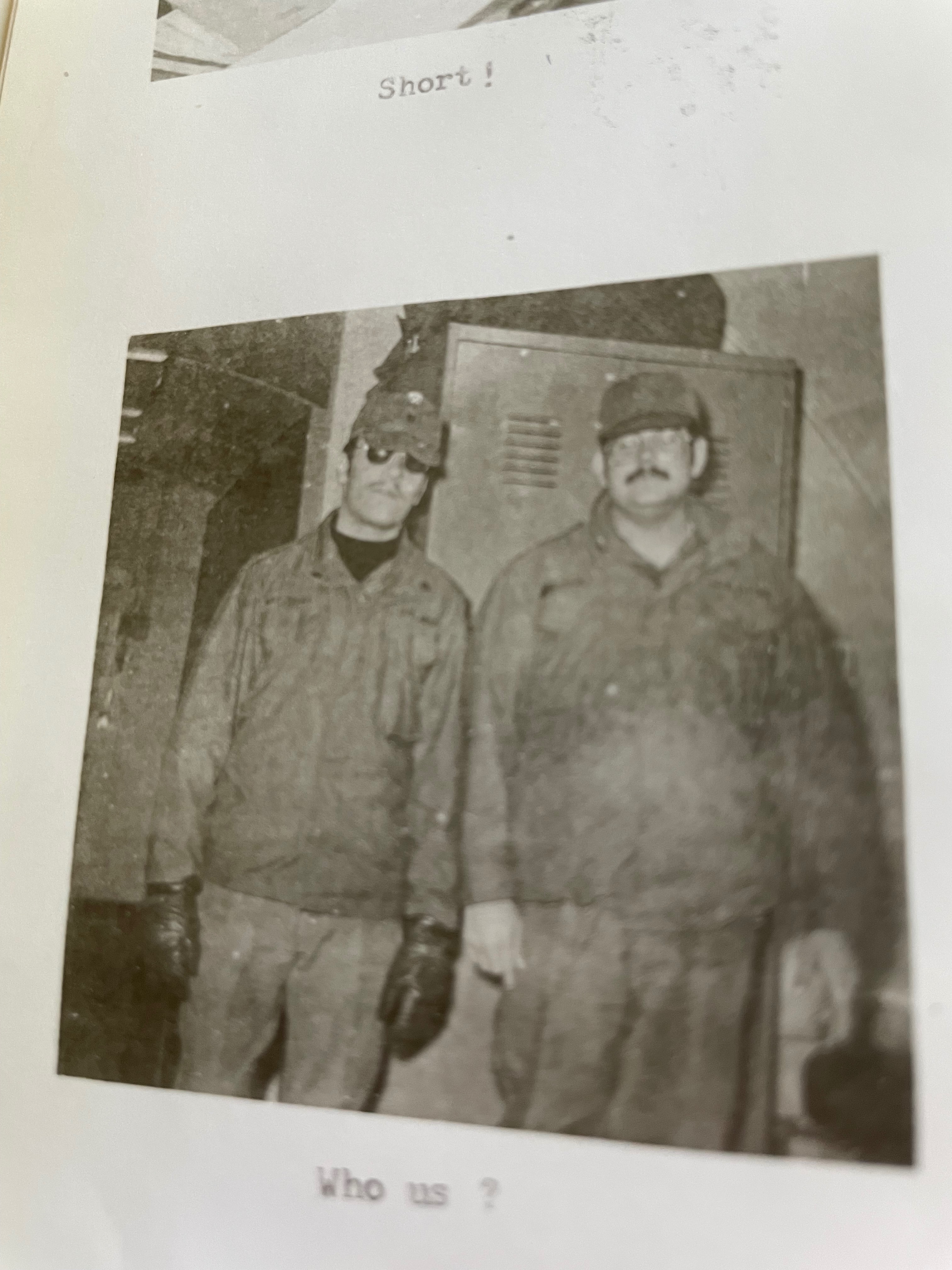
U.S. Army
U.S. Army
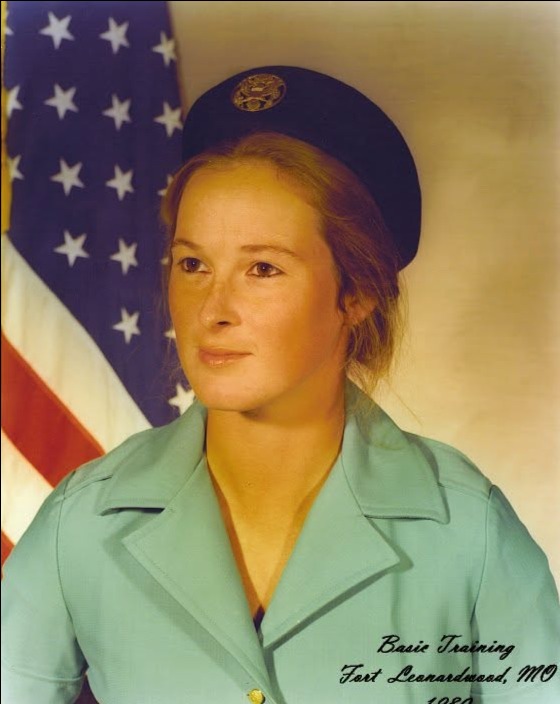
Fort Leonardwood, Mo • U.S. Army • 1980