
Opening branch overview
Building the branch home surface
Loading branch highlights, featured unit context, and gallery moments.
Overview
Members
Units
Building the branch home surface
Loading branch highlights, featured unit context, and gallery moments.
Building the branch units surface
Loading unit filters, rankings, and the branch unit grid.

37 members•1 unit
Relive and share the memories of your service-time with your brothers and sisters in arms today. VetFriends.com can help you reconnect.
Did you proudly serve in the MAAG Laos?
Are you looking for someone who is or was in the MAAG Laos?
Do you have MAAG Laos photos you'd like to share?
Then join a community with your brothers and sisters of the MAAG Laos.
Branch
U.S. Army
Members
37
The Military Assistance Advisory Group, Laos (MAAG Laos) was established by the United States in 1955 to provide military aid, training, and advisory support to the Royal Lao Armed Forces during the early stages of the Laotian Civil War. Operating in a challenging environment shaped by Cold War tensions, MAAG Laos sought to bolster Laos’ ability to resist communist insurgency, particularly from the Pathet Lao and their North Vietnamese allies. The group worked closely with both military and civilian agencies to coordinate American assistance while navigating the restrictions imposed by international agreements, such as the 1962 Geneva Accords. In 1962, following these accords and a pledge to neutralize Laos, the official MAAG Laos presence was withdrawn, though U.S. involvement in Laos continued covertly through other channels.
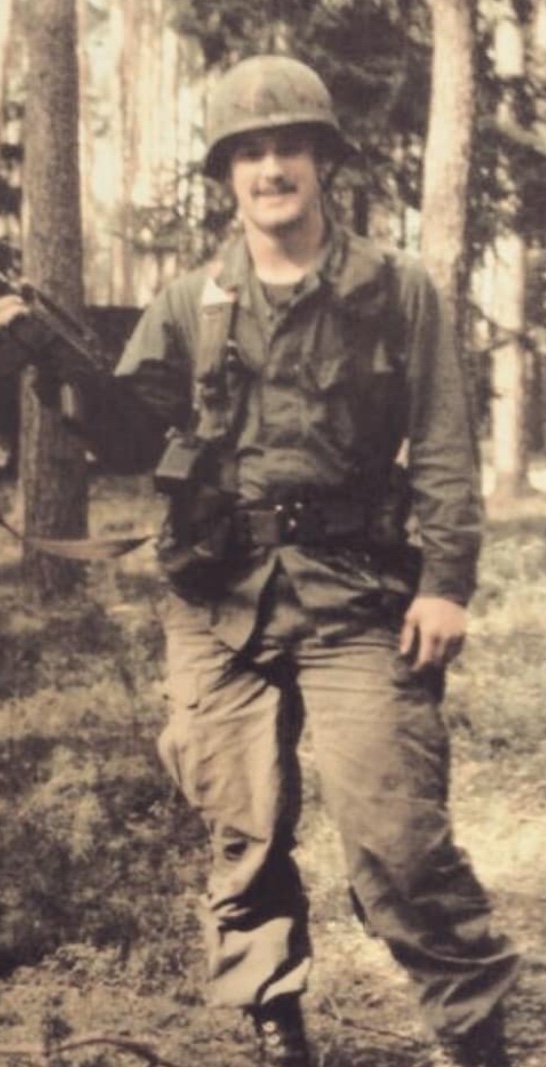
3rd Squadron 7th Calvary 3rd Infantry Division • U.S. Army • 1980

Field artillery • U.S. Army
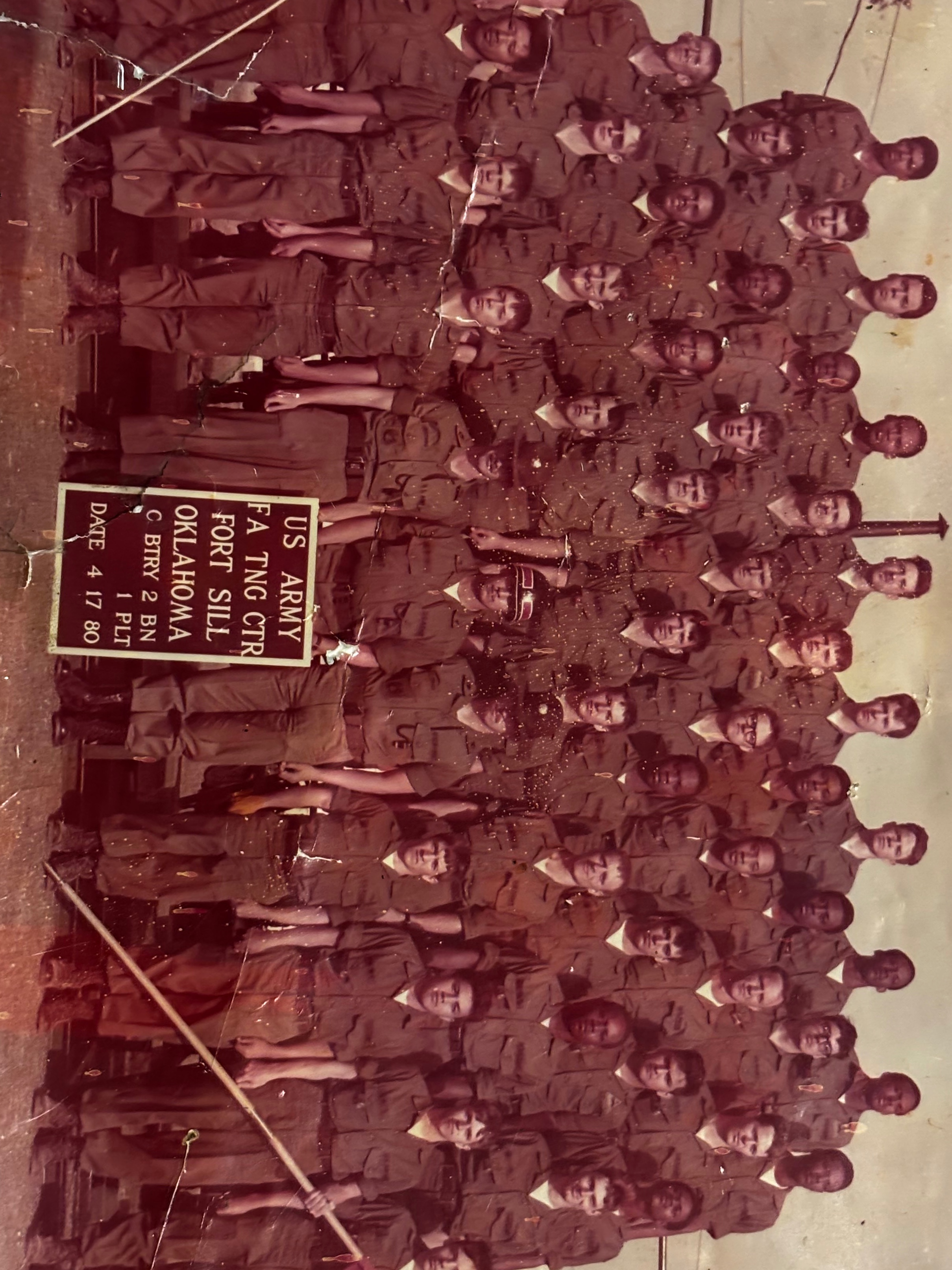
U.S. Army • 1980
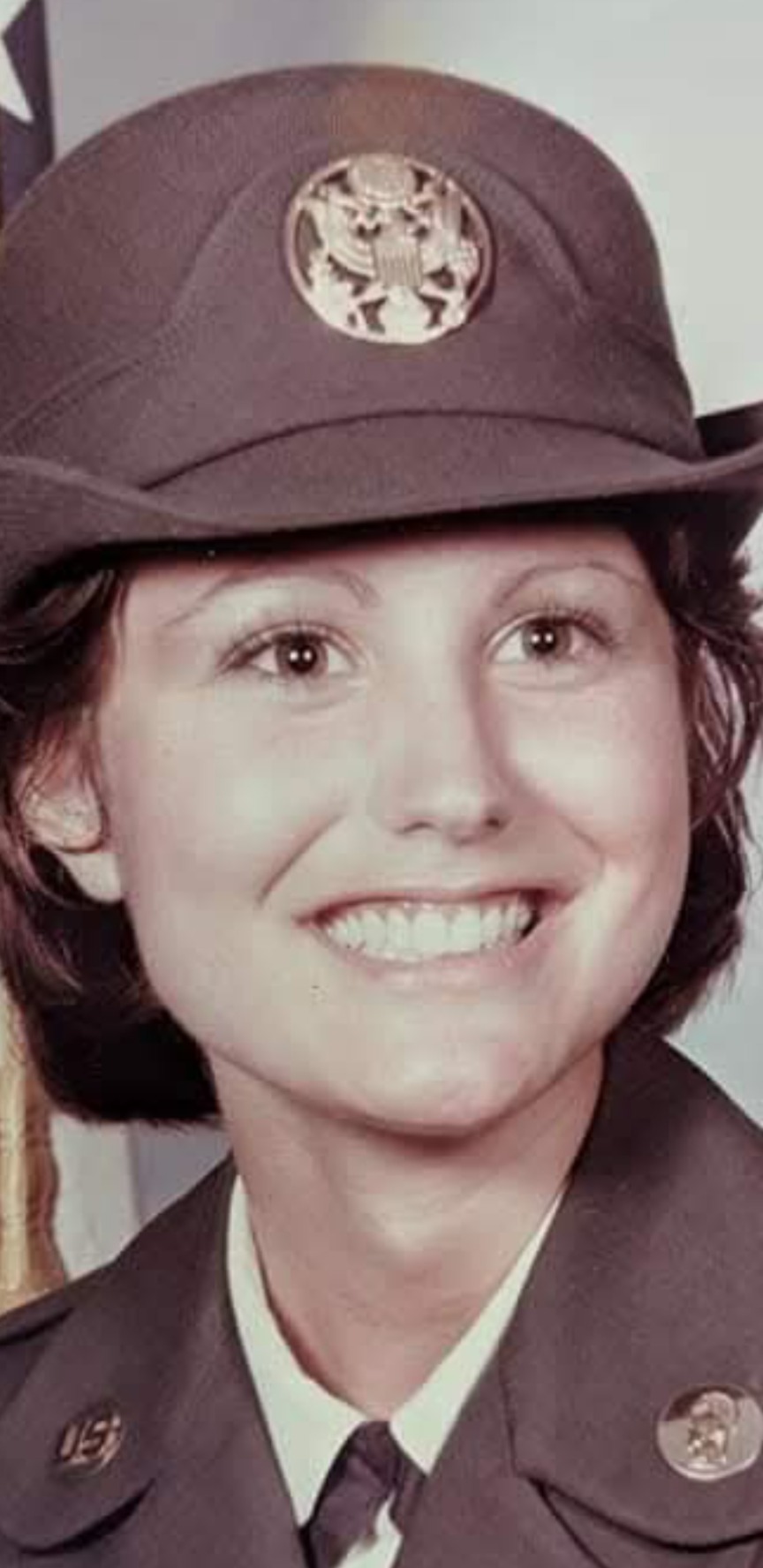
U.S. Army • 1977