
Opening branch overview
Building the branch home surface
Loading branch highlights, featured unit context, and gallery moments.
Overview
Members
Units
Building the branch home surface
Loading branch highlights, featured unit context, and gallery moments.
Building the branch units surface
Loading unit filters, rankings, and the branch unit grid.

37 members•1 unit
Relive and share the memories of your service-time with your brothers and sisters in arms today. VetFriends.com can help you reconnect.
Did you proudly serve in the MAAG Ethiopia?
Are you looking for someone who is or was in the MAAG Ethiopia?
Do you have MAAG Ethiopia photos you'd like to share?
Then join a community with your brothers and sisters of the MAAG Ethiopia.
Branch
U.S. Army
Members
37
The Military Assistance Advisory Group (MAAG) Ethiopia was established by the United States in 1953 to provide military aid, training, and advisory support to the Ethiopian armed forces. Its creation followed the signing of a Mutual Defense Assistance Agreement between the United States and Emperor Haile Selassie’s government, aiming to modernize Ethiopia’s military and strengthen its position in the Horn of Africa during the Cold War. MAAG personnel assisted in reorganizing Ethiopian military structures, introducing new equipment, and conducting extensive training programs. The mission continued until the mid-1970s, when the Derg regime shifted Ethiopia’s alliances toward the Soviet Union, leading to the closure of MAAG operations in the country.
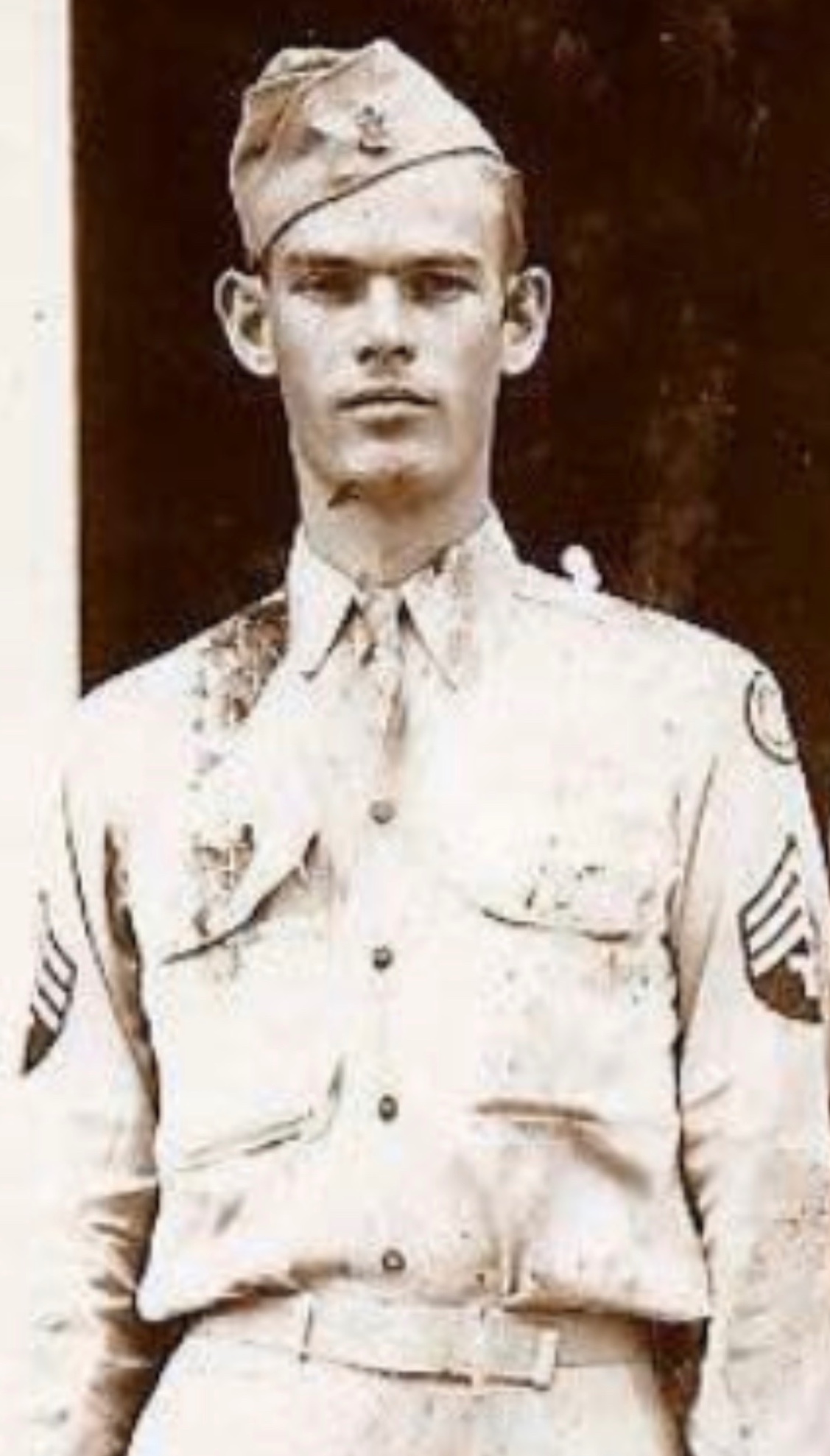
60 Infantry, 9th Division • U.S. Army

1st BN /65th ADA Co. • U.S. Army • 1980
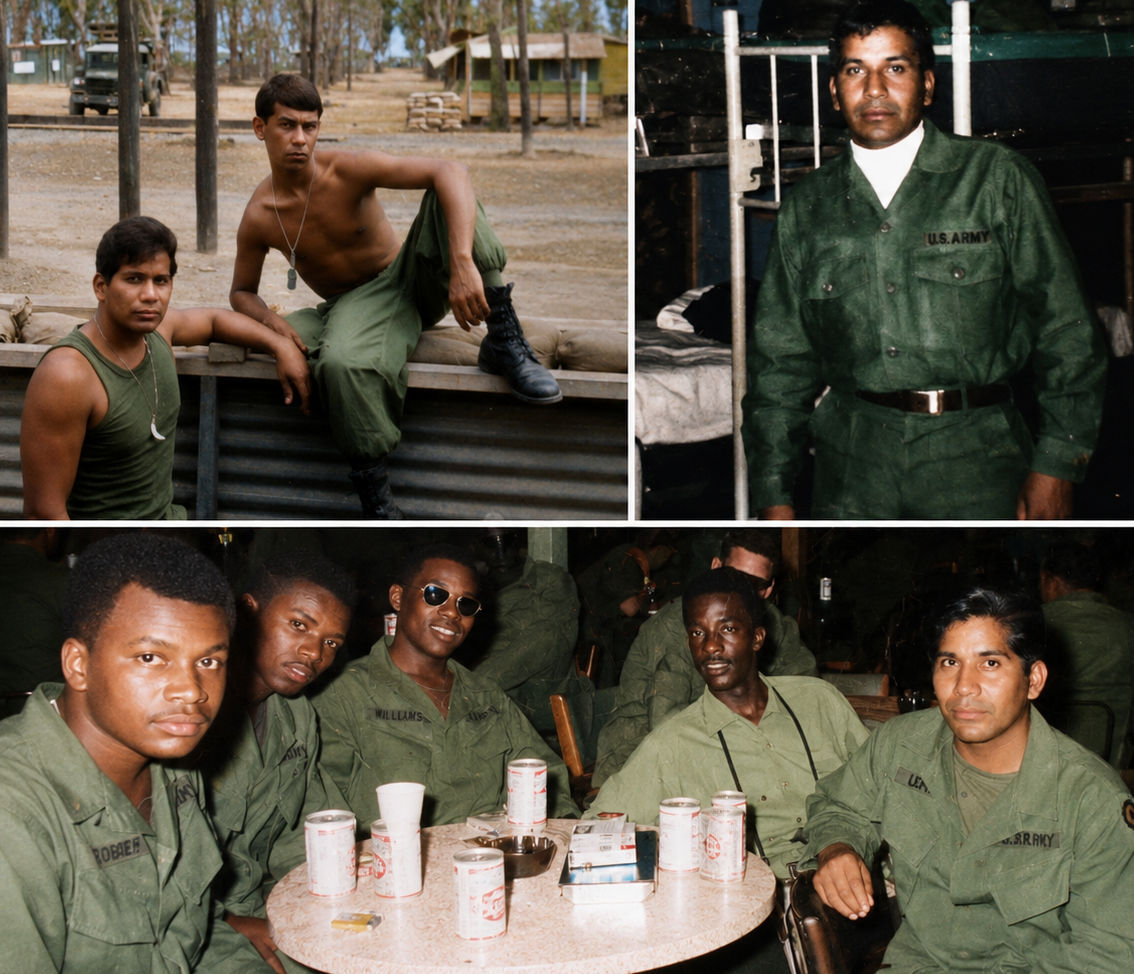
U.S. Army
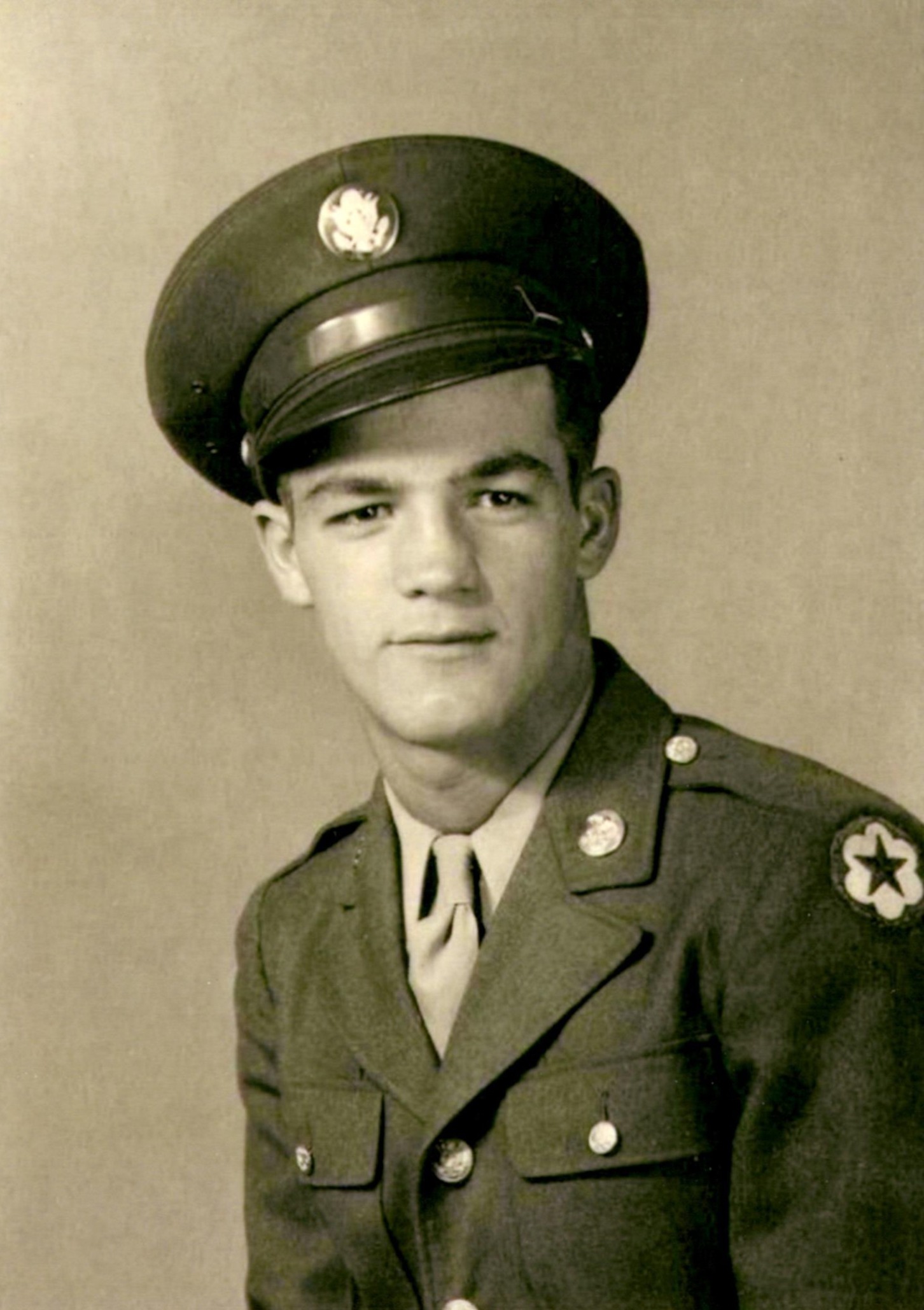
CBI • U.S. Army