
Opening branch overview
Building the branch home surface
Loading branch highlights, featured unit context, and gallery moments.
Overview
Members
Units
Building the branch home surface
Loading branch highlights, featured unit context, and gallery moments.
Building the branch units surface
Loading unit filters, rankings, and the branch unit grid.

37 members•1 unit
Relive and share the memories of your service-time with your brothers and sisters in arms today. VetFriends.com can help you reconnect.
Did you proudly serve in the Loran station Lampang thailand?
Are you looking for someone who is or was in the Loran station Lampang thailand?
Do you have Loran station Lampang thailand photos you'd like to share?
Then join a community with your brothers and sisters of the Loran station Lampang thailand.
Branch
U.S. Army
Members
37
LORAN Station Lampang, located in northern Thailand, was established by the United States Coast Guard in 1966 as part of the LORAN (Long Range Navigation) system during the Vietnam War. Its primary mission was to provide vital navigational signals to support U.S. military operations and allied forces throughout Southeast Asia. Staffed by both American Coast Guard personnel and local Thai workers, the station operated until it was decommissioned in 1975 following the end of major U.S. involvement in the region. The closure of LORAN Station Lampang marked the end of a significant chapter in Cold War-era navigation and military cooperation between the United States and Thailand.

Delta company • U.S. Army

Delta D-5- 3 • U.S. Army • 1980

U.S. Army • 1966
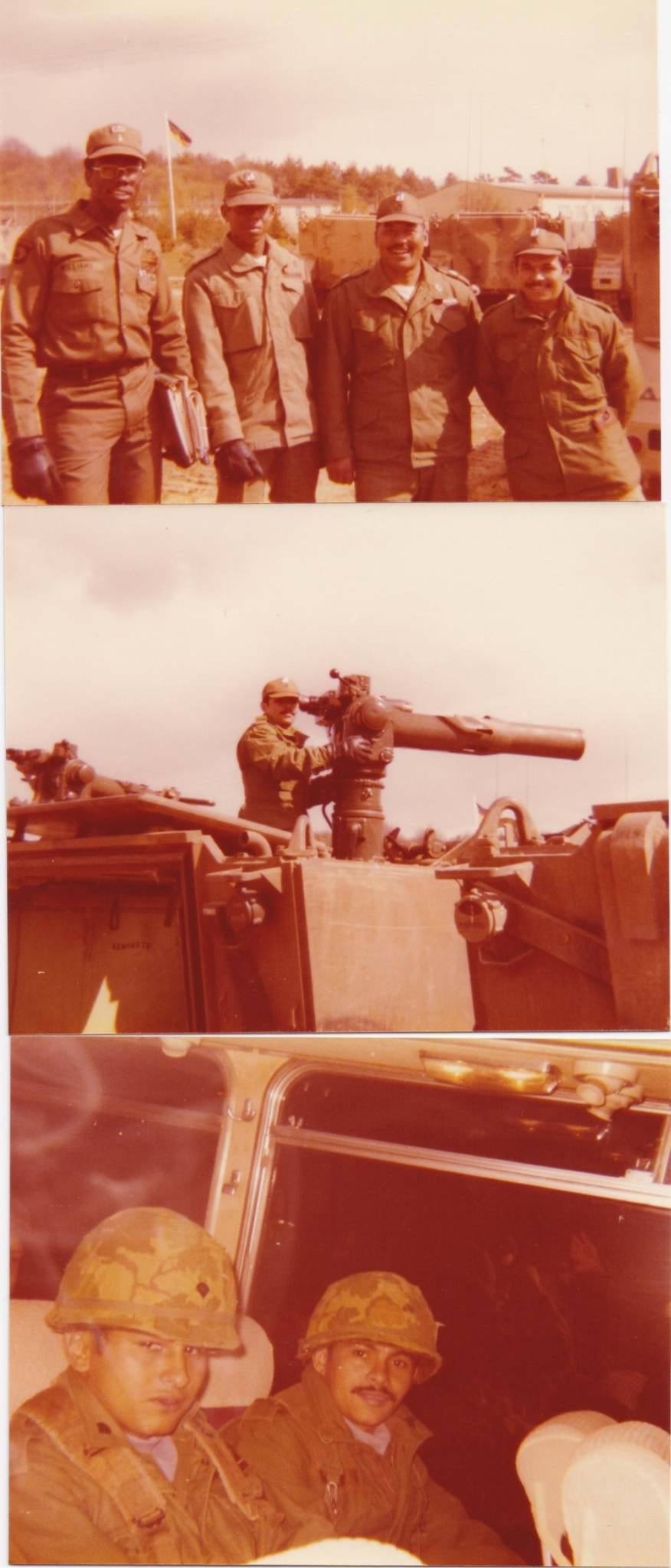
2nd Armored Division • U.S. Army • 1976