
Opening branch overview
Building the branch home surface
Loading branch highlights, featured unit context, and gallery moments.
Overview
Members
Units
Building the branch home surface
Loading branch highlights, featured unit context, and gallery moments.
Building the branch units surface
Loading unit filters, rankings, and the branch unit grid.

U.S. Army•15 members
Relive and share the memories of your service-time with your brothers and sisters in arms today. VetFriends.com can help you reconnect.
Did you proudly serve in the Lee Barracks?
Are you looking for someone who is or was in the Lee Barracks?
Do you have Lee Barracks photos you'd like to share?
Then join a community with your brothers and sisters of the Lee Barracks.
Lee Barracks, located in Mainz, Germany, has a storied military history dating back to its construction in the 1930s by the German Wehrmacht. After World War II, the barracks were taken over by the United States Army and named in honor of Confederate General Robert E. Lee. Throughout the Cold War, Lee Barracks served as a key base for various U.S. Army units, including elements of the 8th Infantry Division, playing a vital role in NATO’s defense posture in Europe. The site was returned to German control in the 1990s following the drawdown of American forces after the end of the Cold War.
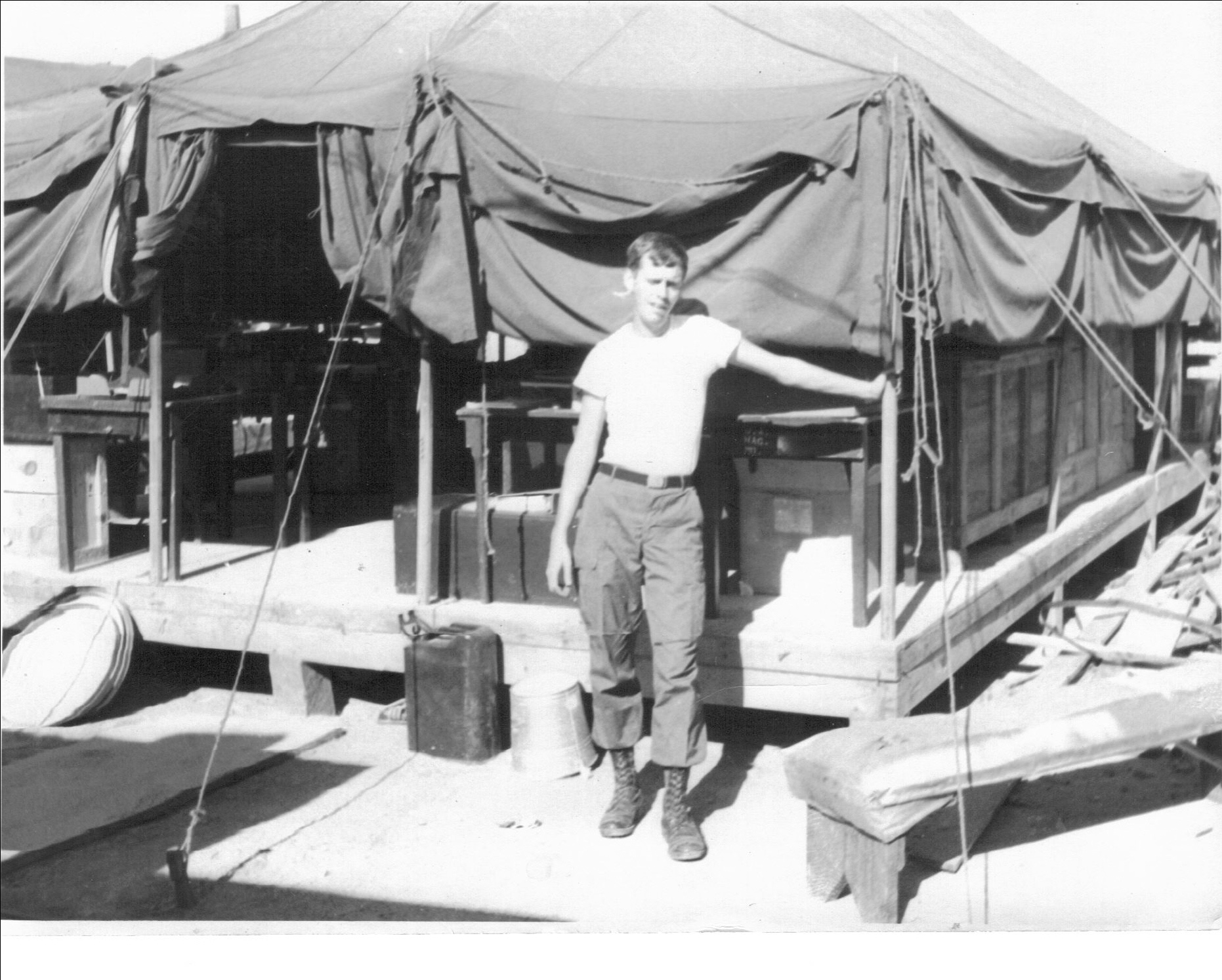
U.S. Army
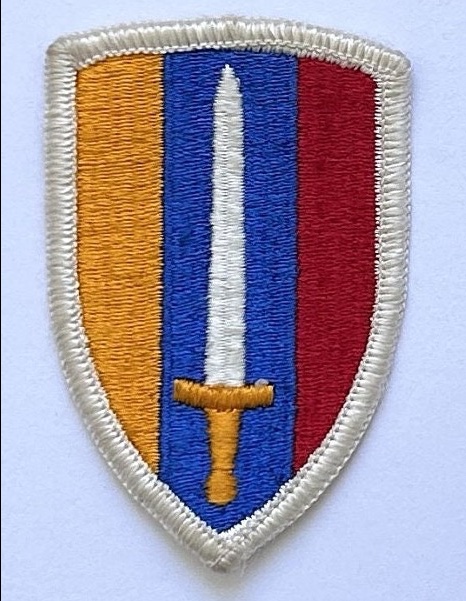
U.S. Army
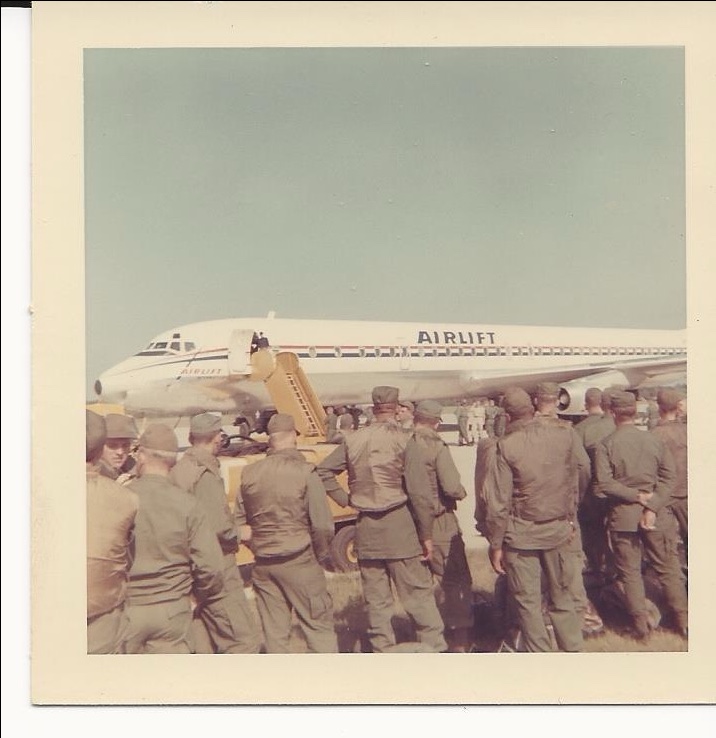
U.S. Army
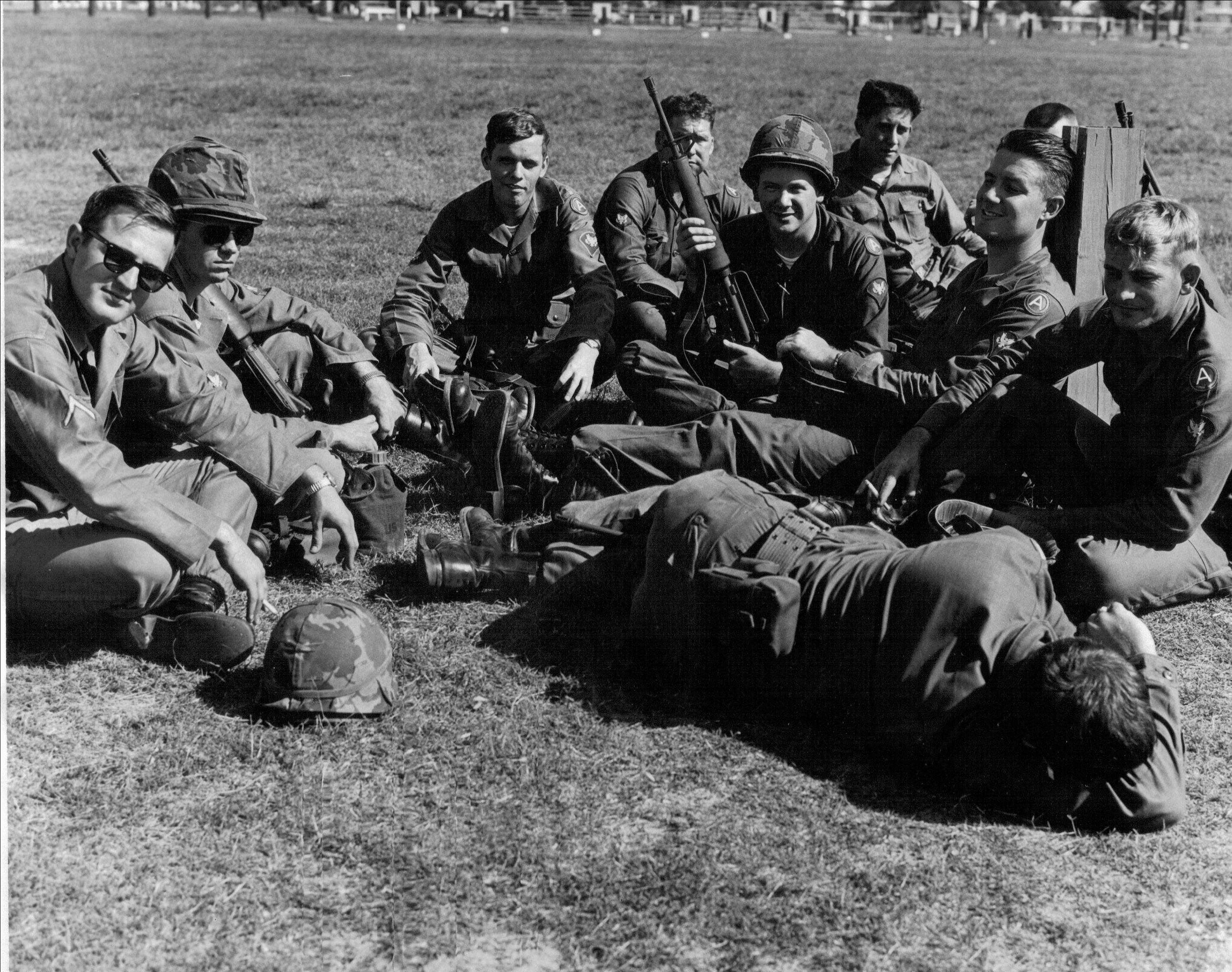
U.S. Army