
Opening branch overview
Building the branch home surface
Loading branch highlights, featured unit context, and gallery moments.
Overview
Members
Units
Building the branch home surface
Loading branch highlights, featured unit context, and gallery moments.
Building the branch units surface
Loading unit filters, rankings, and the branch unit grid.

U.S. Army•6 members
Relive and share the memories of your service-time with your brothers and sisters in arms today. VetFriends.com can help you reconnect.
Did you proudly serve in the Killeen Base DASA?
Are you looking for someone who is or was in the Killeen Base DASA?
Do you have Killeen Base DASA photos you'd like to share?
Then join a community with your brothers and sisters of the Killeen Base DASA.
**Killeen Base DASA** was established in the early 1950s near Killeen, Texas, as a key installation for the U.S. Army's nuclear weapons program during the Cold War. Initially operated under the jurisdiction of the Department of the Army, the base became closely associated with the Defense Atomic Support Agency (DASA) after its creation in 1959. Killeen Base DASA played a critical role in the storage, maintenance, and security of nuclear ordnance, supporting both national defense and NATO commitments. The installation's mission gradually shifted as nuclear weapons policies evolved, eventually leading to its integration into the larger Fort Hood complex and the end of its unique DASA designation in the early 1970s.
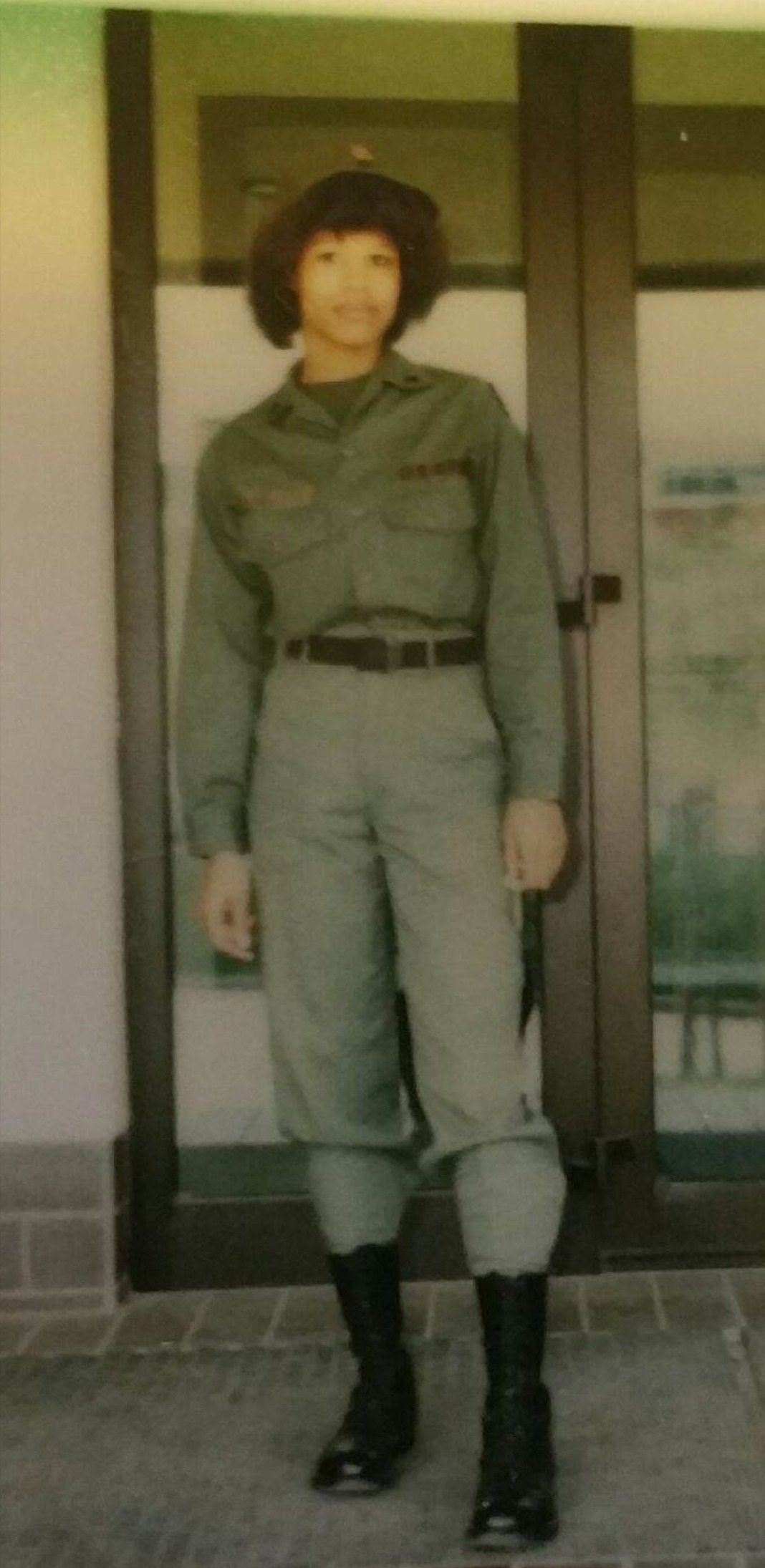
U.S. Army

U.S. Army
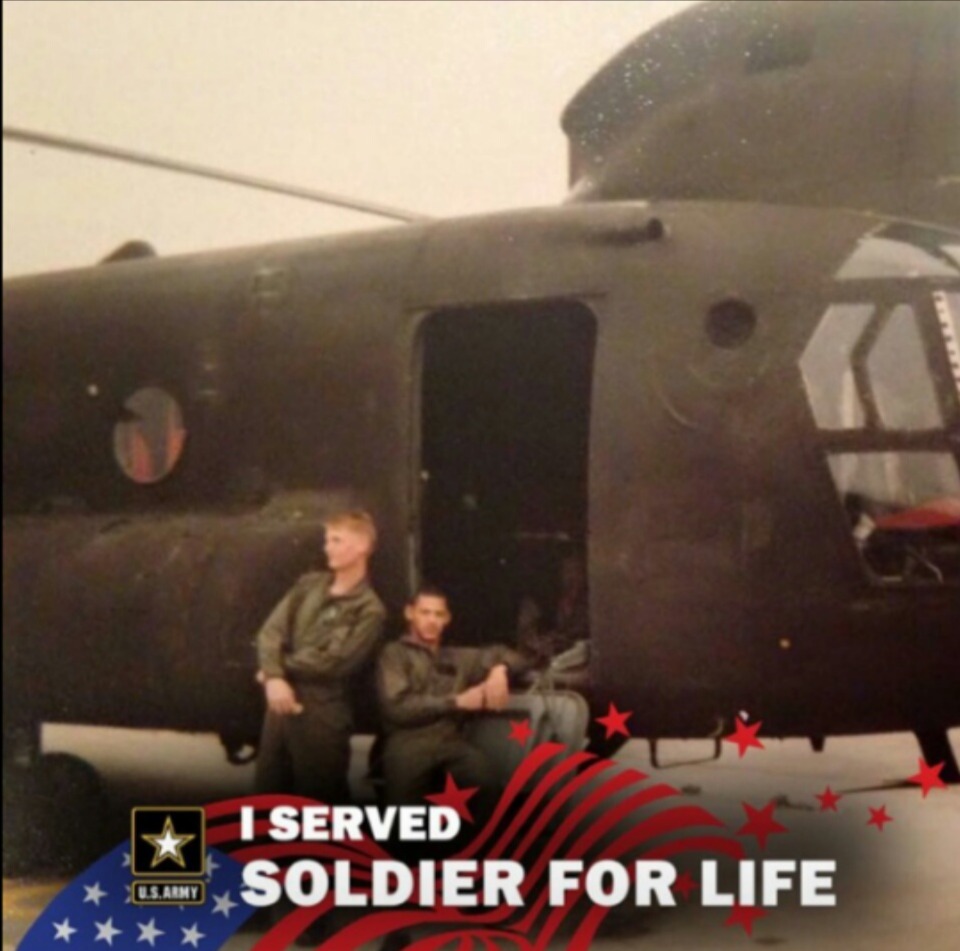
7TH BATTALION 159TH AVIATION REGIMENT • U.S. Army
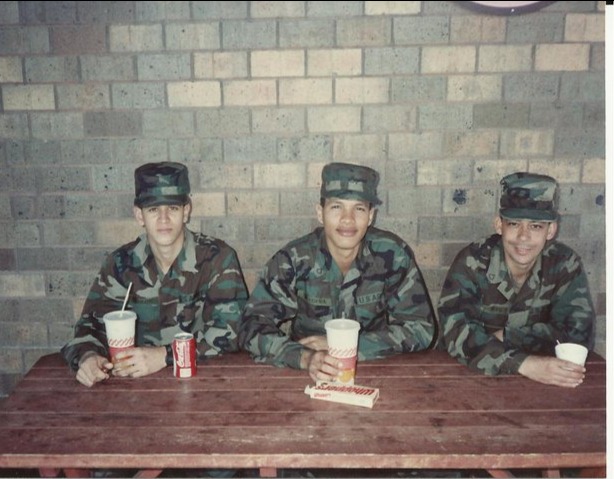
A-5-10 FT. LEONARDWOOD • U.S. Army • 1988