
Opening branch overview
Building the branch home surface
Loading branch highlights, featured unit context, and gallery moments.
Overview
Members
Units
Building the branch home surface
Loading branch highlights, featured unit context, and gallery moments.
Building the branch units surface
Loading unit filters, rankings, and the branch unit grid.

4 members•1 unit
Relive and share the memories of your service-time with your brothers and sisters in arms today. VetFriends.com can help you reconnect.
Did you proudly serve in the Joint Task Force 7?
Are you looking for someone who is or was in the Joint Task Force 7?
Do you have Joint Task Force 7 photos you'd like to share?
Then join a community with your brothers and sisters of the Joint Task Force 7.
Branch
U.S. Army
Members
4
**Joint Task Force 7 (JTF-7)** was established in 2002 by the United States military as a headquarters command for operations in Iraq following the initial invasion. Its principal mission was to oversee stability operations, coordinate coalition forces, and support the reconstruction of Iraq during the early phase of Operation Iraqi Freedom. JTF-7 managed both combat and civil-military operations until mid-2004, when its responsibilities were transferred to the newly formed Multi-National Force – Iraq (MNF-I). The unit played a crucial role in the transition from major combat operations to nation-building and counterinsurgency efforts.
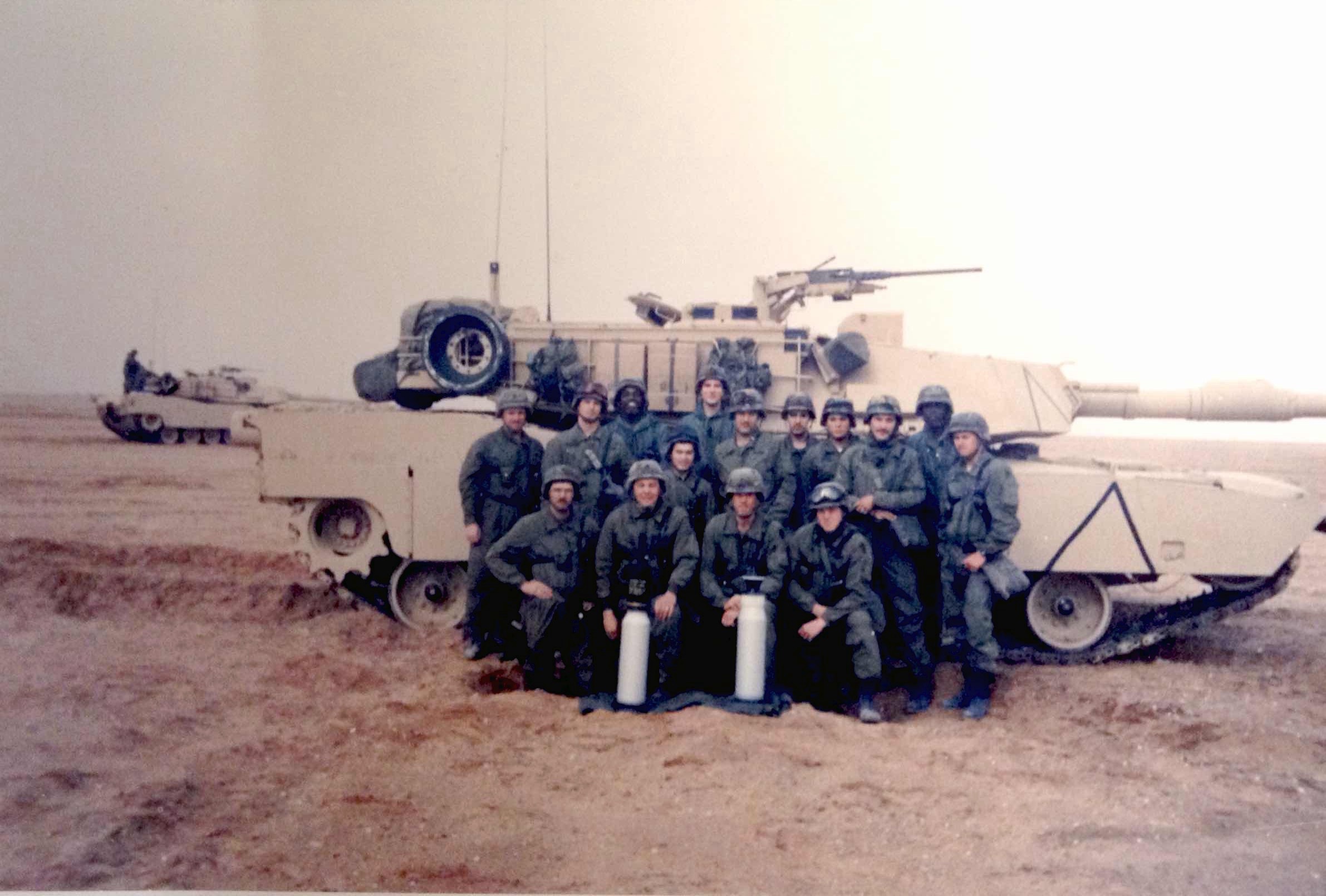
U.S. Army

MEDICAL • U.S. Army • 1991
U.S. Army
U.S. Army