
Opening branch overview
Building the branch home surface
Loading branch highlights, featured unit context, and gallery moments.
Overview
Members
Units
Building the branch home surface
Loading branch highlights, featured unit context, and gallery moments.
Building the branch units surface
Loading unit filters, rankings, and the branch unit grid.

U.S. Army•2 members
Relive and share the memories of your service-time with your brothers and sisters in arms today. VetFriends.com can help you reconnect.
Did you proudly serve in the IMC?
Are you looking for someone who is or was in the IMC?
Do you have IMC photos you'd like to share?
Then join a community with your brothers and sisters of the IMC.
Certainly! Here’s a short military history for the unit "IMC": The IMC, or Infantry Mechanized Company, was established in 1978 as part of a broader modernization effort within its parent brigade. Initially equipped with legacy armored personnel carriers, the IMC transitioned to advanced infantry fighting vehicles in the 1990s, significantly increasing its mobility and firepower. The unit saw its first major deployment during peacekeeping operations in Eastern Europe, where it earned commendations for discipline and operational effectiveness. Over the decades, the IMC has participated in numerous joint exercises and remains a core component of rapid response and mechanized infantry operations.
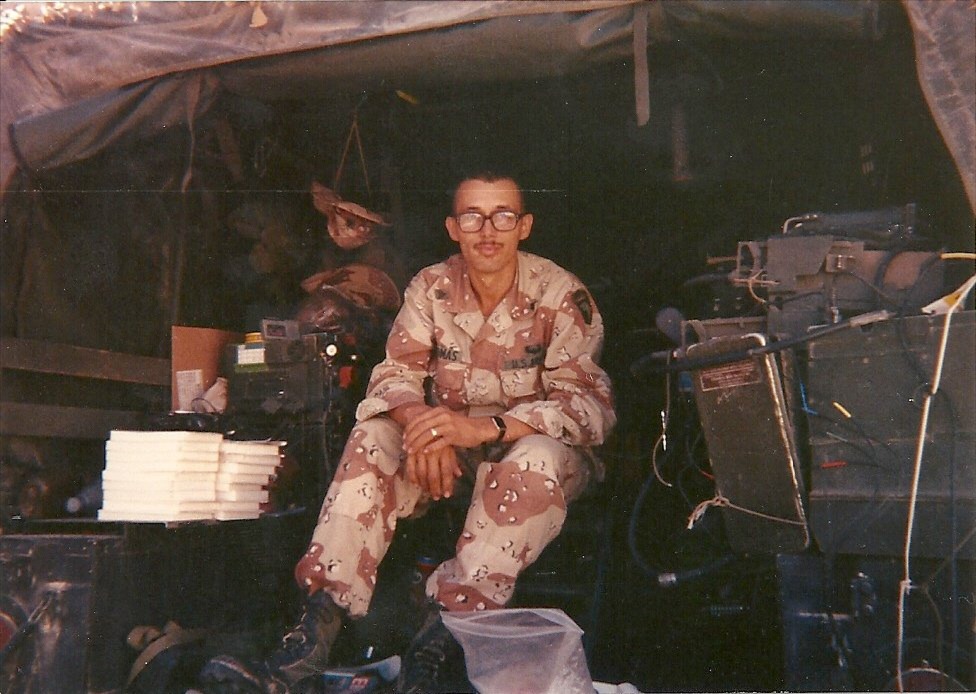
101st Airborne • U.S. Army • 1990

U.S. Army

4th Infantry Division • U.S. Army • 1967
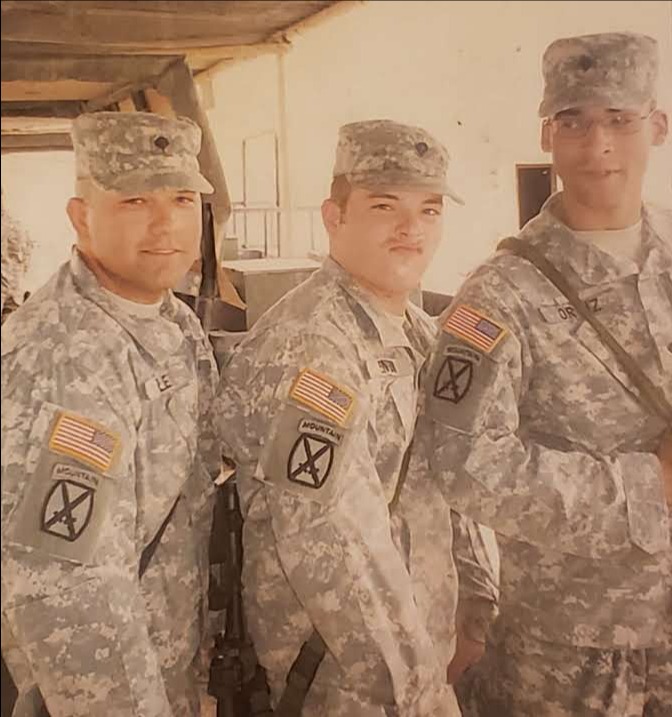
3rd Infantry Division • U.S. Army • 2007