
Opening branch overview
Building the branch home surface
Loading branch highlights, featured unit context, and gallery moments.
Overview
Members
Units
Building the branch home surface
Loading branch highlights, featured unit context, and gallery moments.
Building the branch units surface
Loading unit filters, rankings, and the branch unit grid.

37 members•1 unit
Relive and share the memories of your service-time with your brothers and sisters in arms today. VetFriends.com can help you reconnect.
Did you proudly serve in the Human Resources Command?
Are you looking for someone who is or was in the Human Resources Command?
Do you have Human Resources Command photos you'd like to share?
Then join a community with your brothers and sisters of the Human Resources Command.
Branch
U.S. Army
Members
37
The U.S. Army Human Resources Command (HRC) was established in 2003 through the merger of the U.S. Total Army Personnel Command and the U.S. Army Reserve Personnel Command. Headquartered at Fort Knox, Kentucky, HRC is responsible for managing the careers, assignments, and personnel actions for all active, Reserve, and National Guard soldiers. The command plays a critical role in ensuring the readiness and welfare of Army personnel by handling promotions, awards, records, and transitions. Over the years, HRC has adapted to evolving military needs, integrating advanced technology and streamlined processes to better support soldiers and their families.

1st BN /65th ADA Co. • U.S. Army • 1980
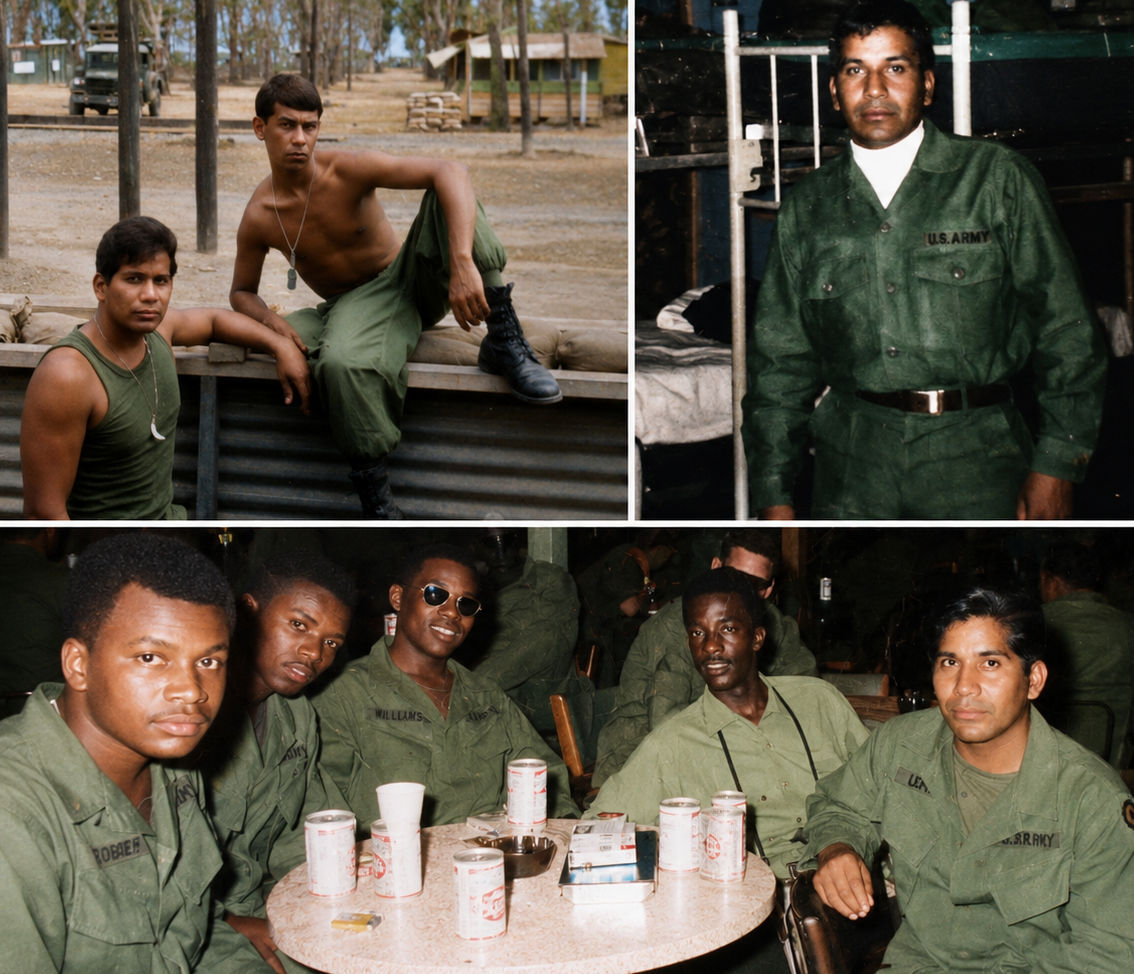
U.S. Army
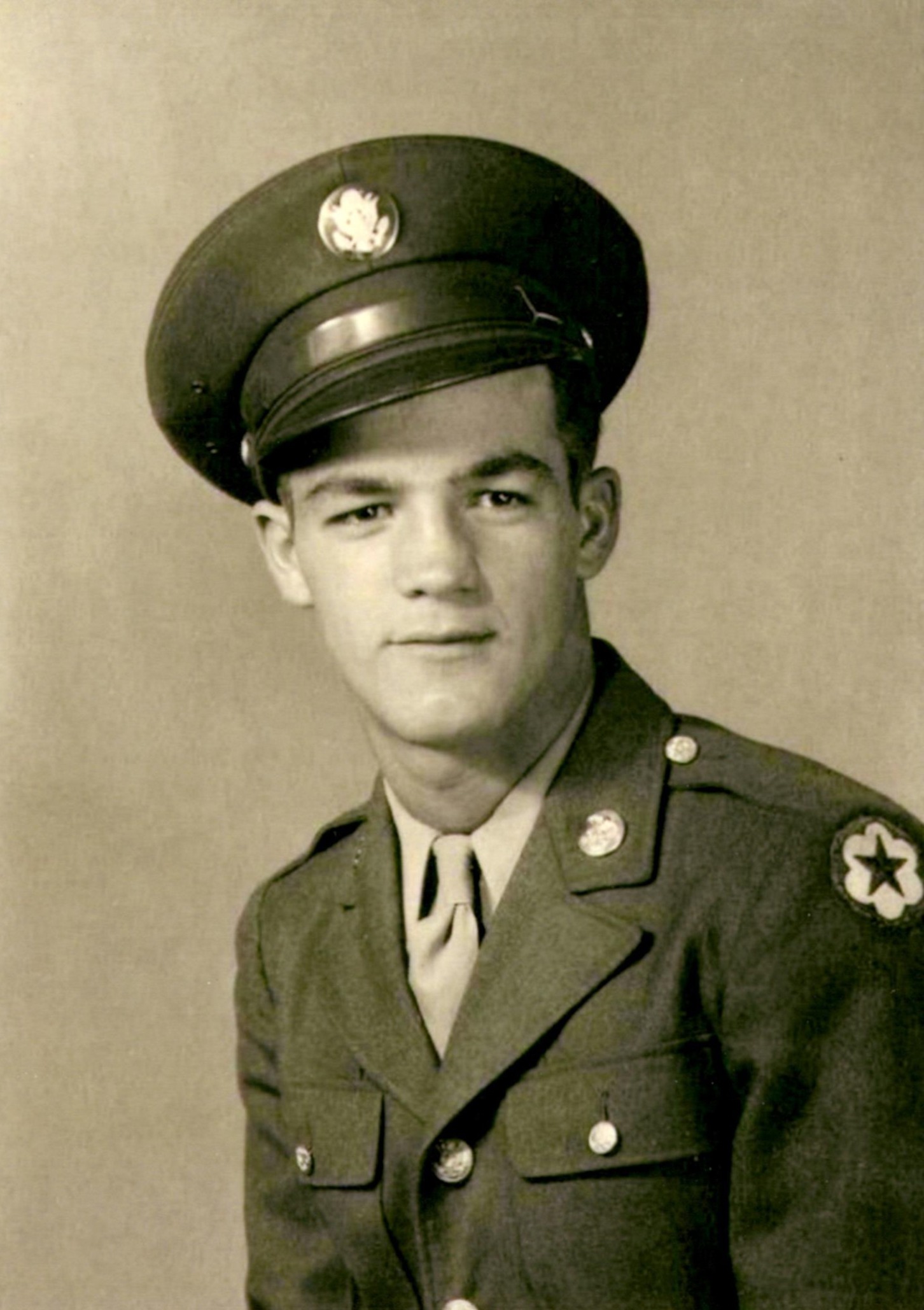
CBI • U.S. Army

3 Infantry Signal • U.S. Army • 1980