
Opening branch overview
Building the branch home surface
Loading branch highlights, featured unit context, and gallery moments.
Overview
Members
Units
Building the branch home surface
Loading branch highlights, featured unit context, and gallery moments.
Building the branch units surface
Loading unit filters, rankings, and the branch unit grid.

U.S. Army•5 members
Relive and share the memories of your service-time with your brothers and sisters in arms today. VetFriends.com can help you reconnect.
Did you proudly serve in the HQ USSOCOM?
Are you looking for someone who is or was in the HQ USSOCOM?
Do you have HQ USSOCOM photos you'd like to share?
Then join a community with your brothers and sisters of the HQ USSOCOM.
United States Special Operations Command (USSOCOM), headquartered at MacDill Air Force Base in Tampa, Florida, was established on April 16, 1987, in response to the recognized need for unified command and control of U.S. special operations forces. USSOCOM integrates elite units from the Army, Navy, Air Force, and Marine Corps, synchronizing global operations against terrorist threats, unconventional warfare, and other special missions. Over the decades, it has played vital roles in operations such as Desert Storm, Enduring Freedom, and Inherent Resolve. USSOCOM continues to evolve, focusing on rapid response, innovation, and interagency cooperation to address emerging security challenges worldwide.
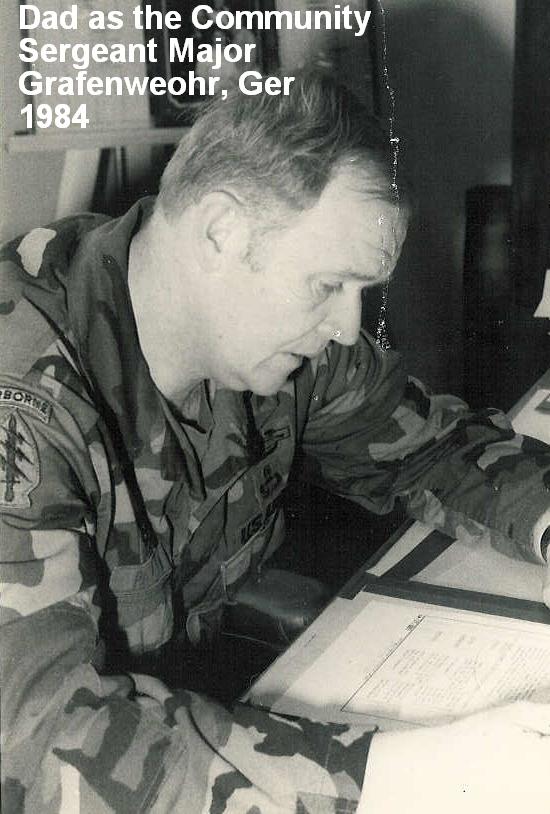
U.S. Army
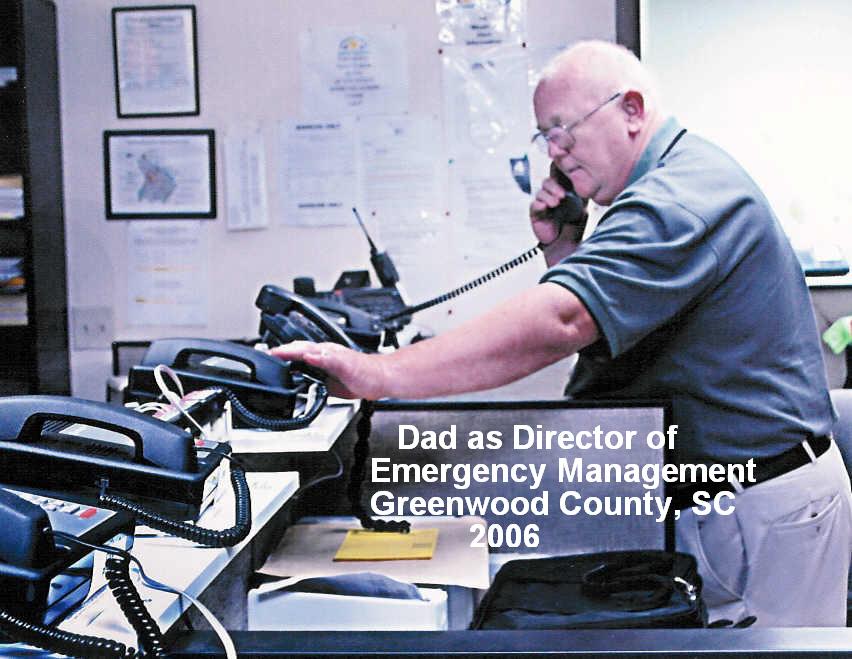
U.S. Army
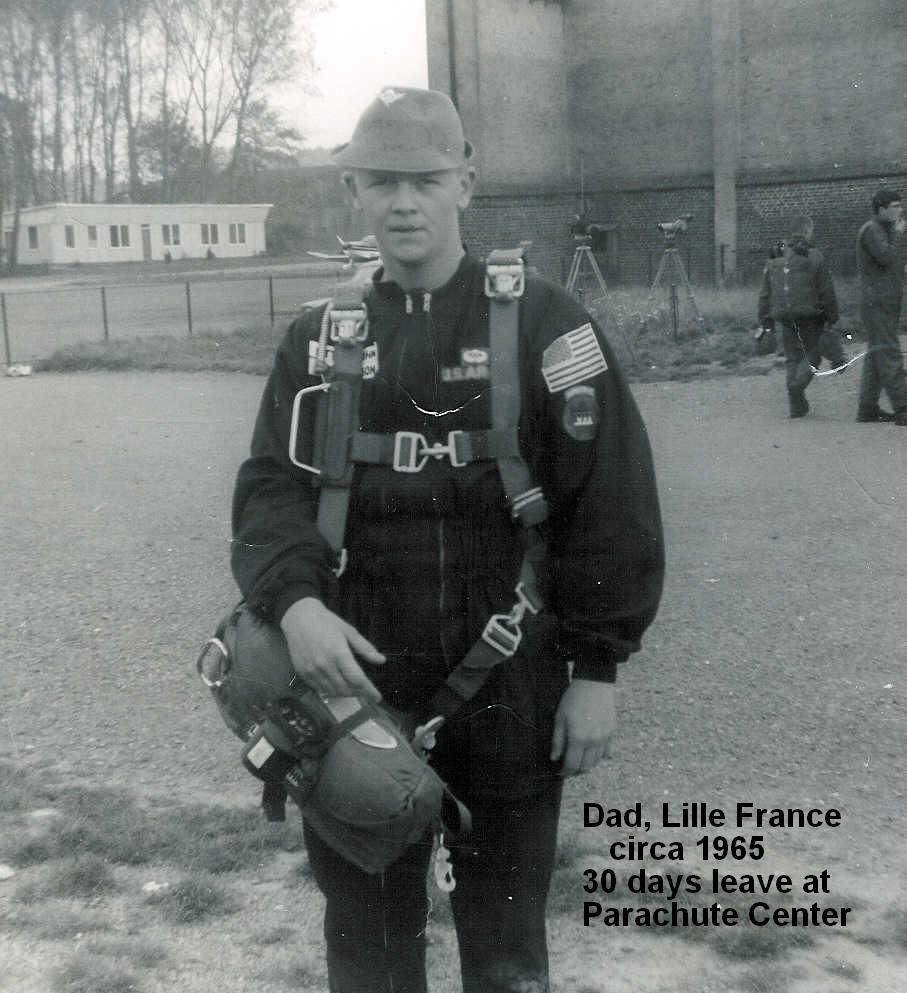
U.S. Army
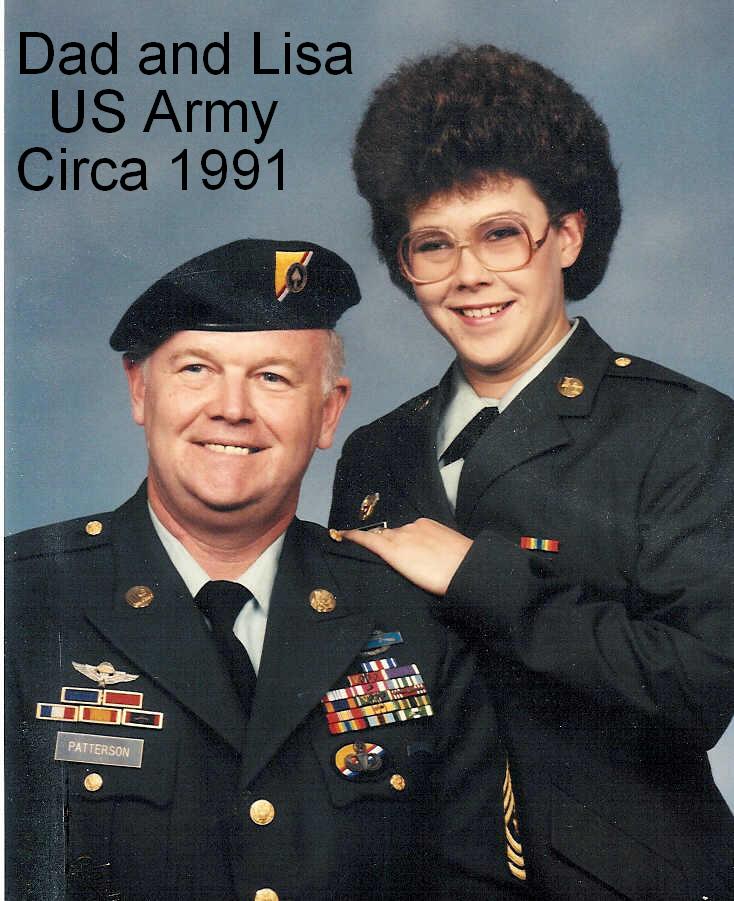
U.S. Army