
Opening branch overview
Building the branch home surface
Loading branch highlights, featured unit context, and gallery moments.
Overview
Members
Units
Building the branch home surface
Loading branch highlights, featured unit context, and gallery moments.
Building the branch units surface
Loading unit filters, rankings, and the branch unit grid.

6 members•1 unit
Relive and share the memories of your service-time with your brothers and sisters in arms today. VetFriends.com can help you reconnect.
Did you proudly serve in the Hq MACV?
Are you looking for someone who is or was in the Hq MACV?
Do you have Hq MACV photos you'd like to share?
Then join a community with your brothers and sisters of the Hq MACV.
Branch
U.S. Army
Members
6
Headquarters, Military Assistance Command, Vietnam (Hq MACV) was established in February 1962 to provide unified command and control of all United States military forces in Vietnam. Initially created to assist and advise the South Vietnamese military, MACV’s role rapidly expanded as American involvement in the Vietnam War grew. From coordinating combat operations, logistics, and intelligence, Hq MACV was the central command for U.S. and allied military strategy throughout the conflict. The command was dissolved in March 1973 following the withdrawal of most U.S. forces after the Paris Peace Accords.
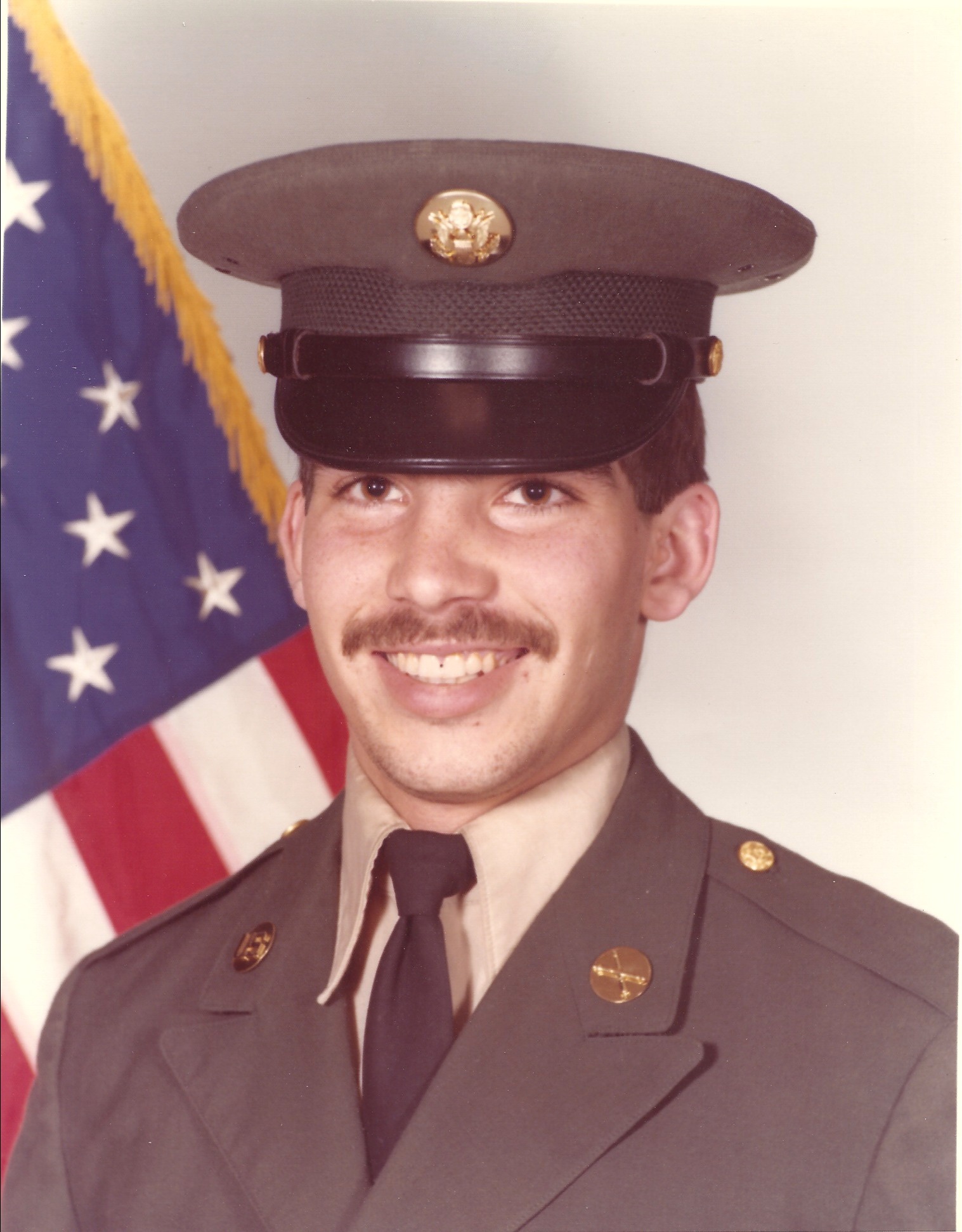
ARTILLERY • U.S. Army
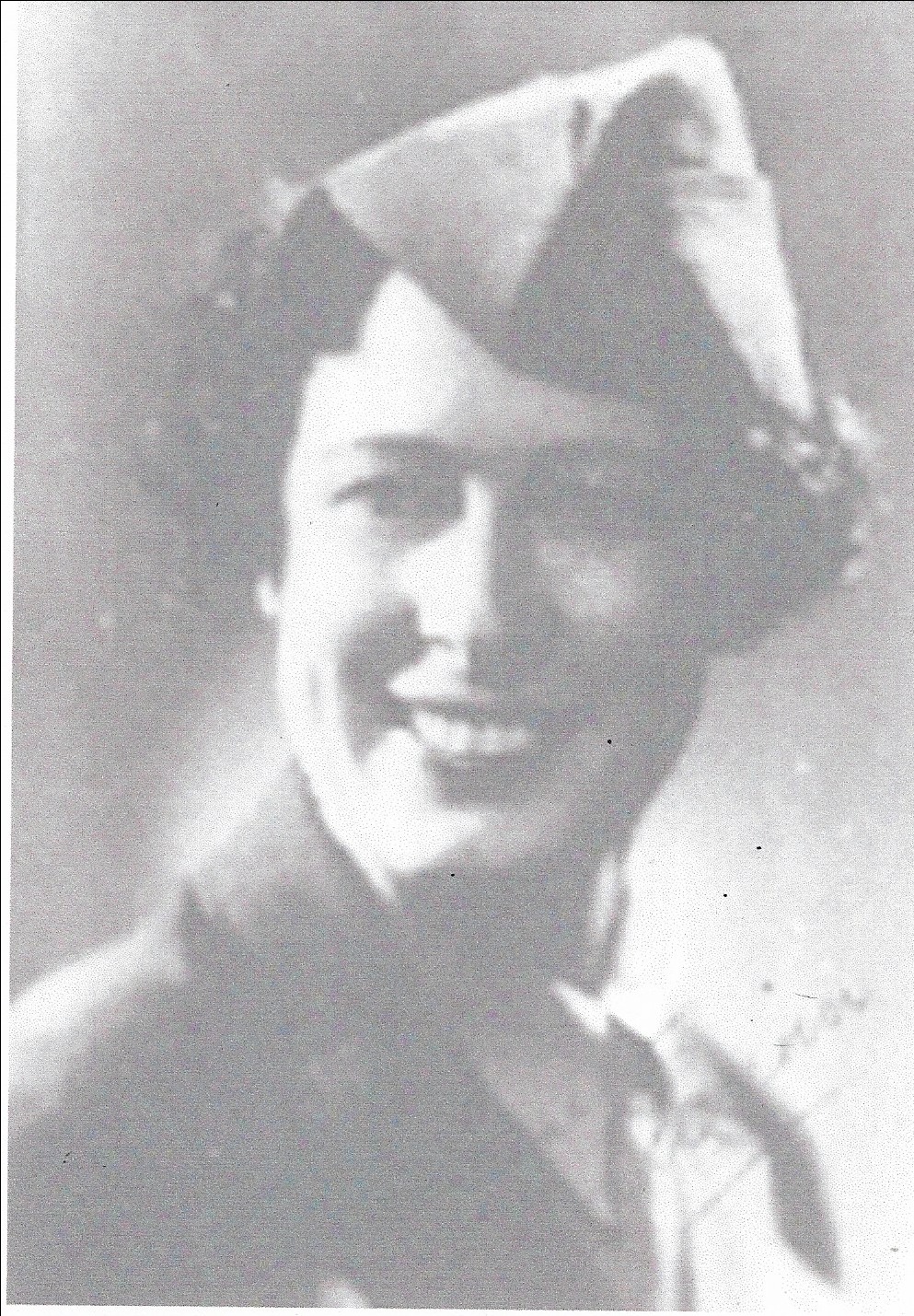
U.S. Army
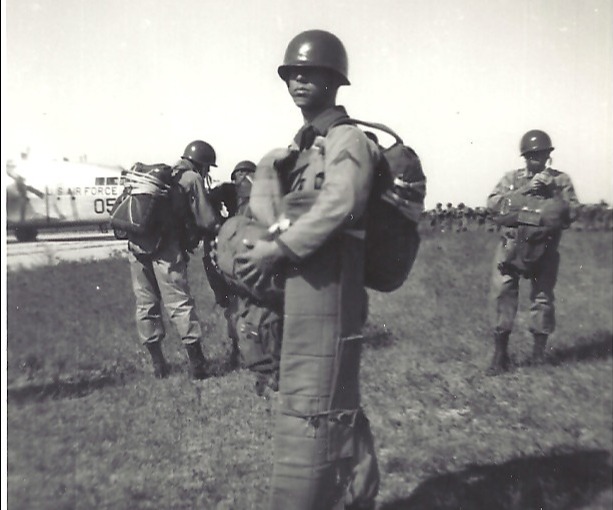
82nd Airborne • U.S. Army • 1954
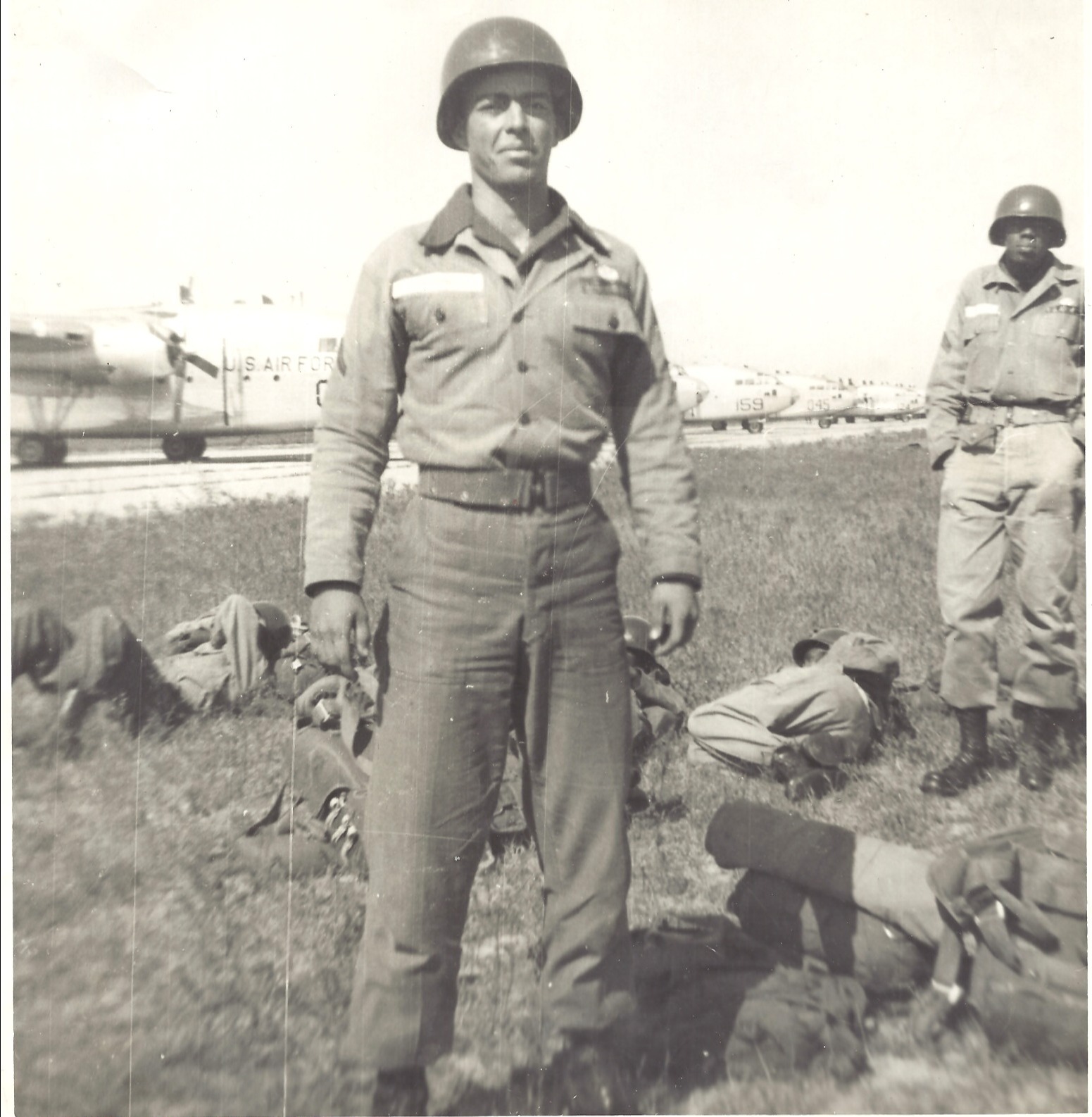
82nd Airborne • U.S. Army • 1954